Some collaborations are just colorways. The ASICS x Kith x Marvel vs Capcom pack is not one of them.
This collection sits at the intersection of sneaker culture, gaming nostalgia, comic book fandom, streetwear style and performance running roots. It is not just a product drop. It is a story, a flex and a blueprint for how brands can plug into culture without feeling forced, using the same energy that drives today’s custom sneakers and sneaker customization movement.
ASICS brings decades of running credibility. Kith brings fashion storytelling and streetwear authority. Marvel and Capcom bring characters that defined arcade screens and childhoods. Together they created a six-sneaker capsule that feels less like a release and more like an event.
The question is why this matters beyond the hype. What does a pack like this do to sneaker culture and popular culture? Why is this such a smart move for ASICS in particular? And what can other brands, even those far outside the sneaker world, learn from it about partnering with sneaker artists, custom sneaker designers and culture makers?
Let’s start with what actually dropped.
Inside the ASICS x Kith x Marvel vs Capcom Pack
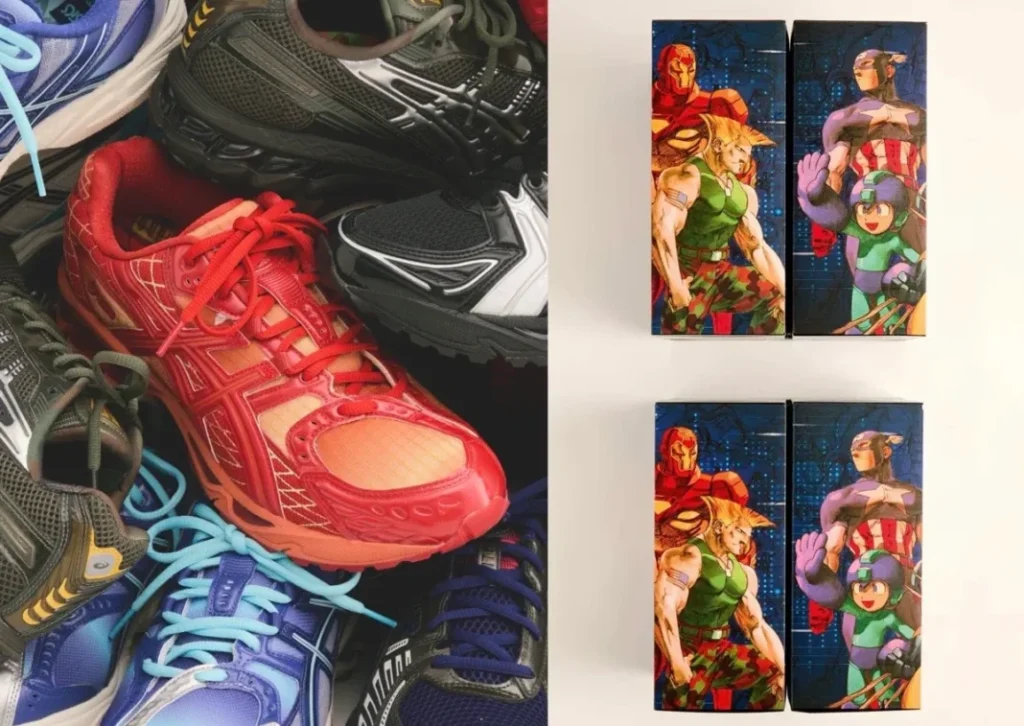
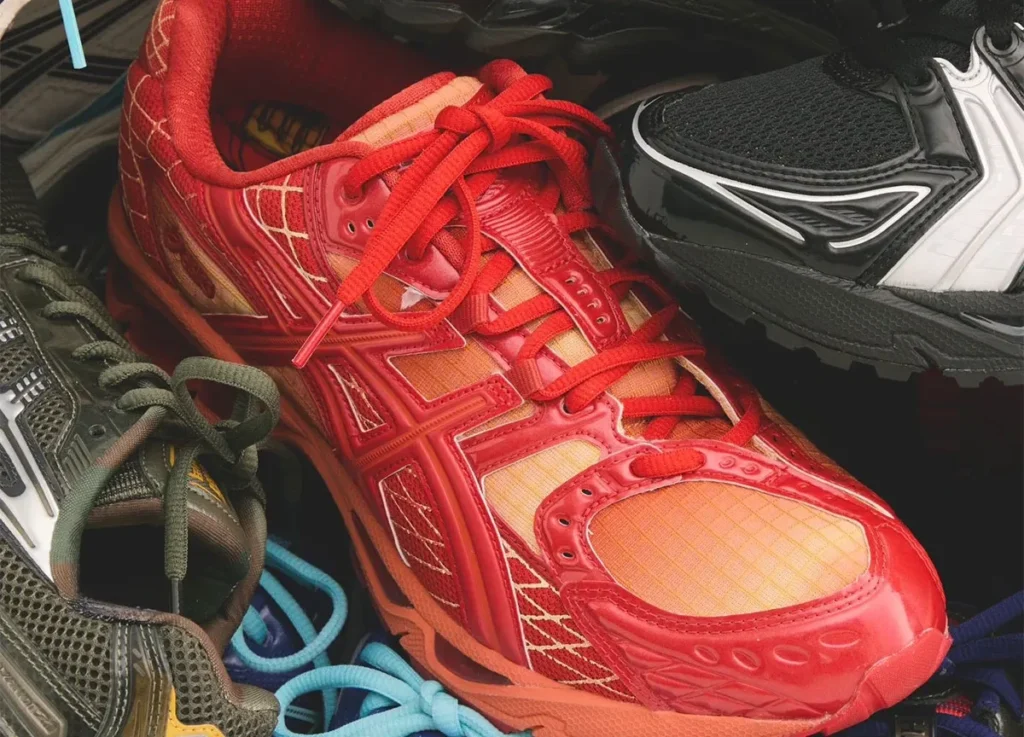
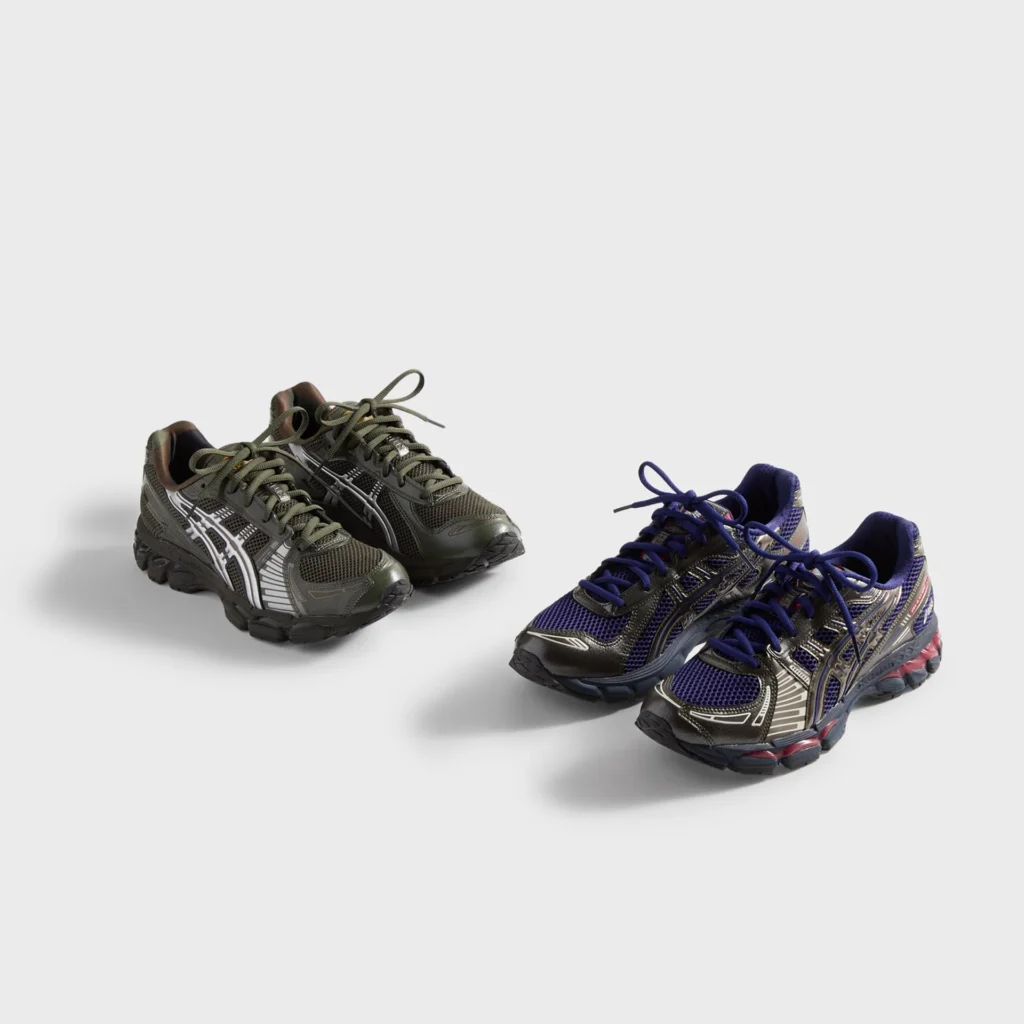
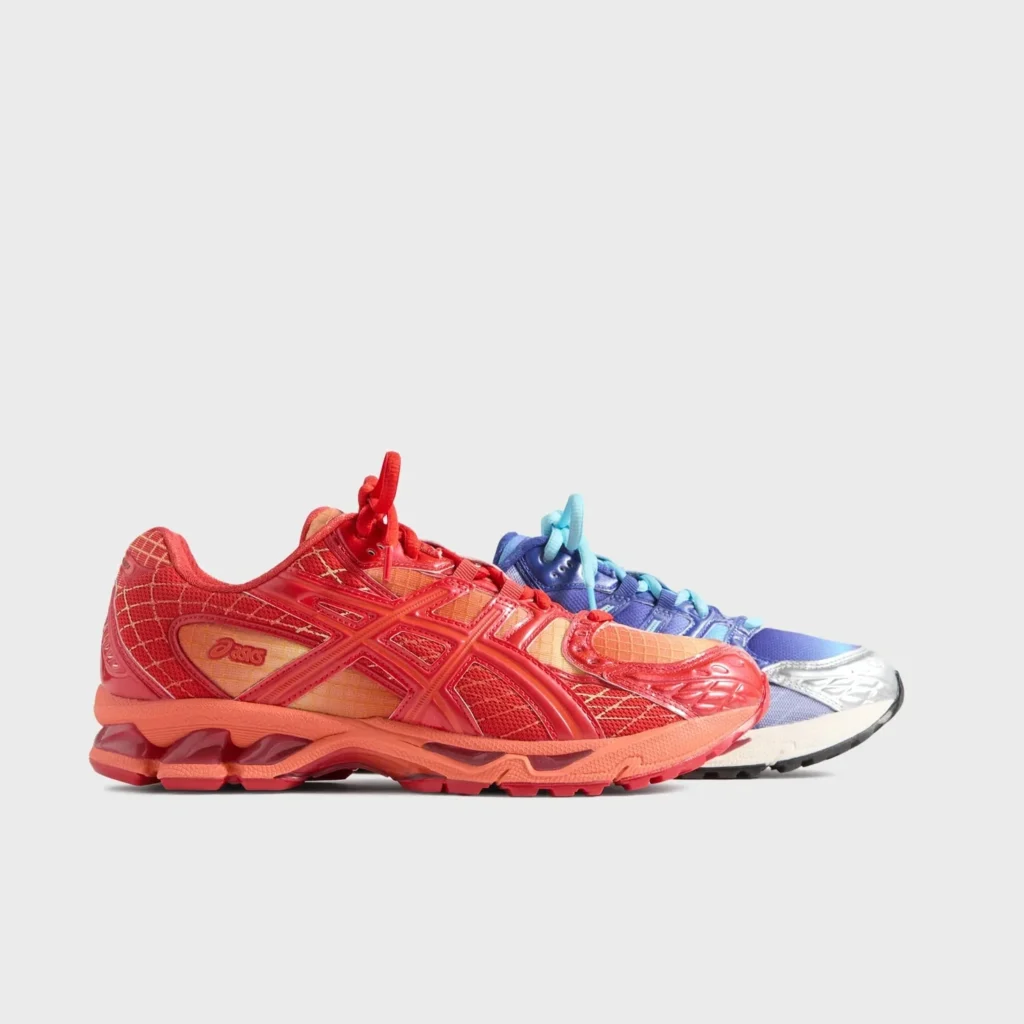
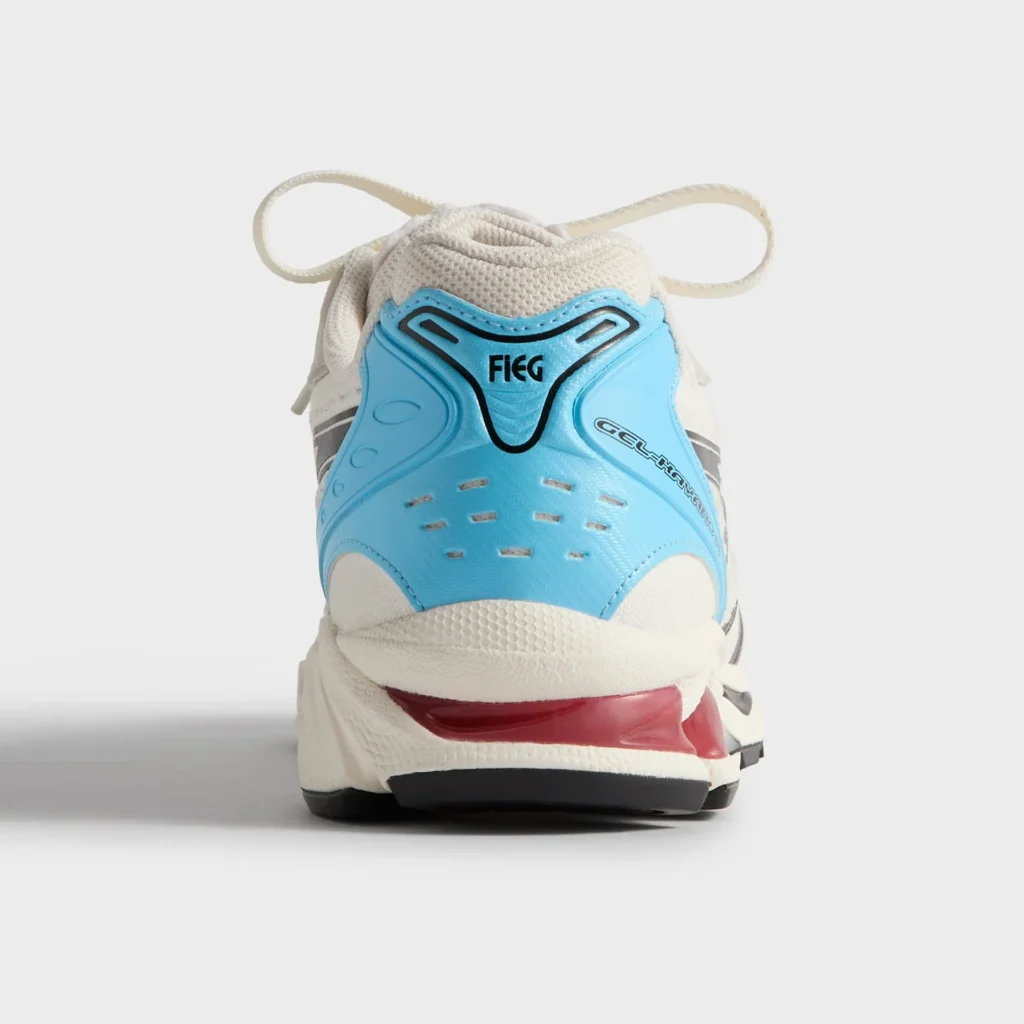
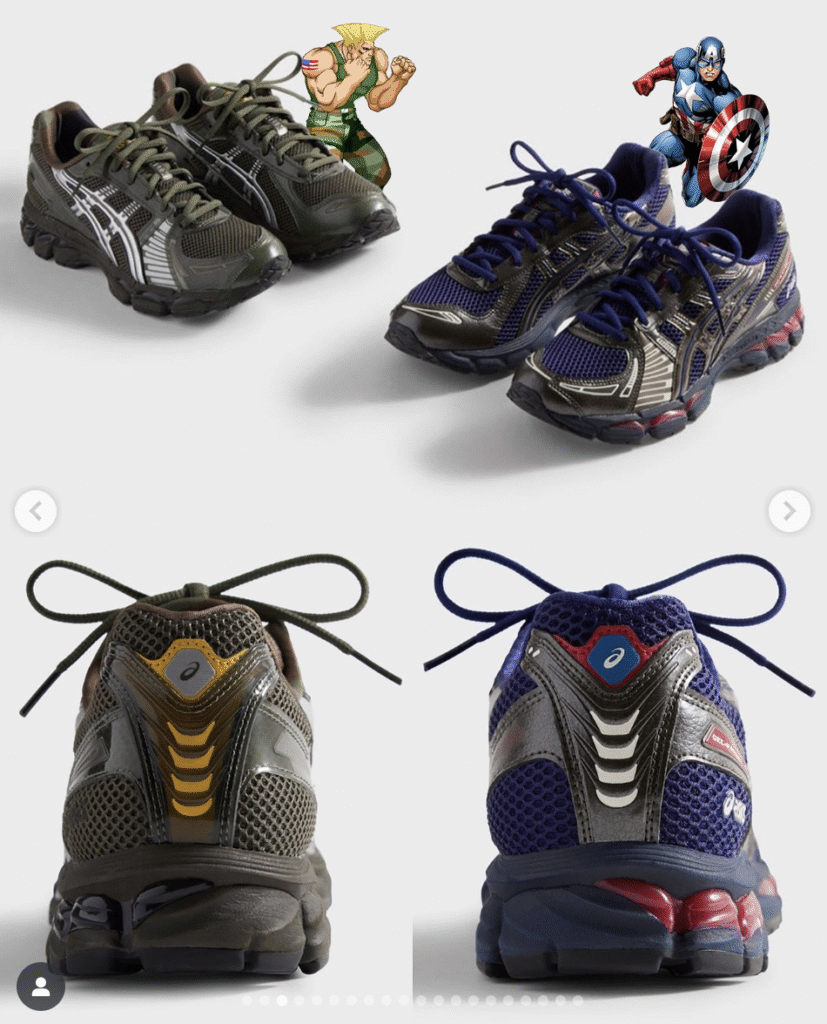
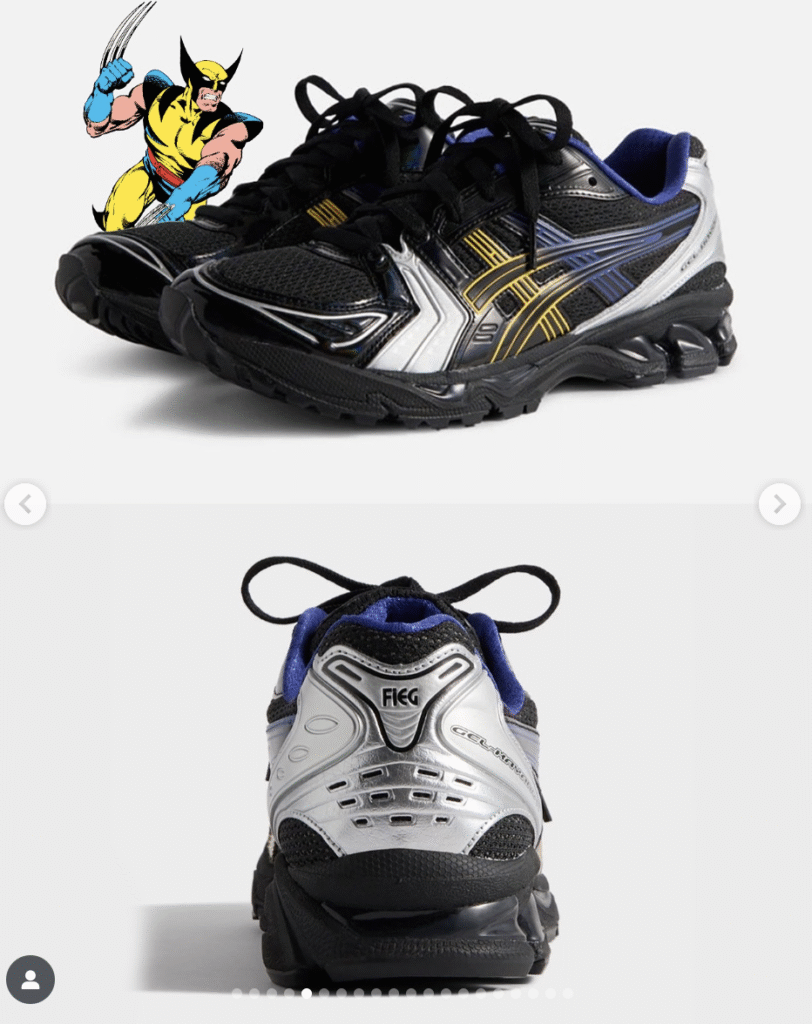
In November 2025, Kith, ASICS, Marvel and Capcom released a six-sneaker collection built on three classic ASICS silhouettes: the GEL-KAYANO 12.1, GEL-NIMBUS 10.1 and GEL-KAYANO 14. The pack is structured around character matchups that every Marvel vs Capcom fan recognises immediately. Captain America faces Guile. Iron Man faces Mega Man. Ryu and Wolverine get solo spotlights.
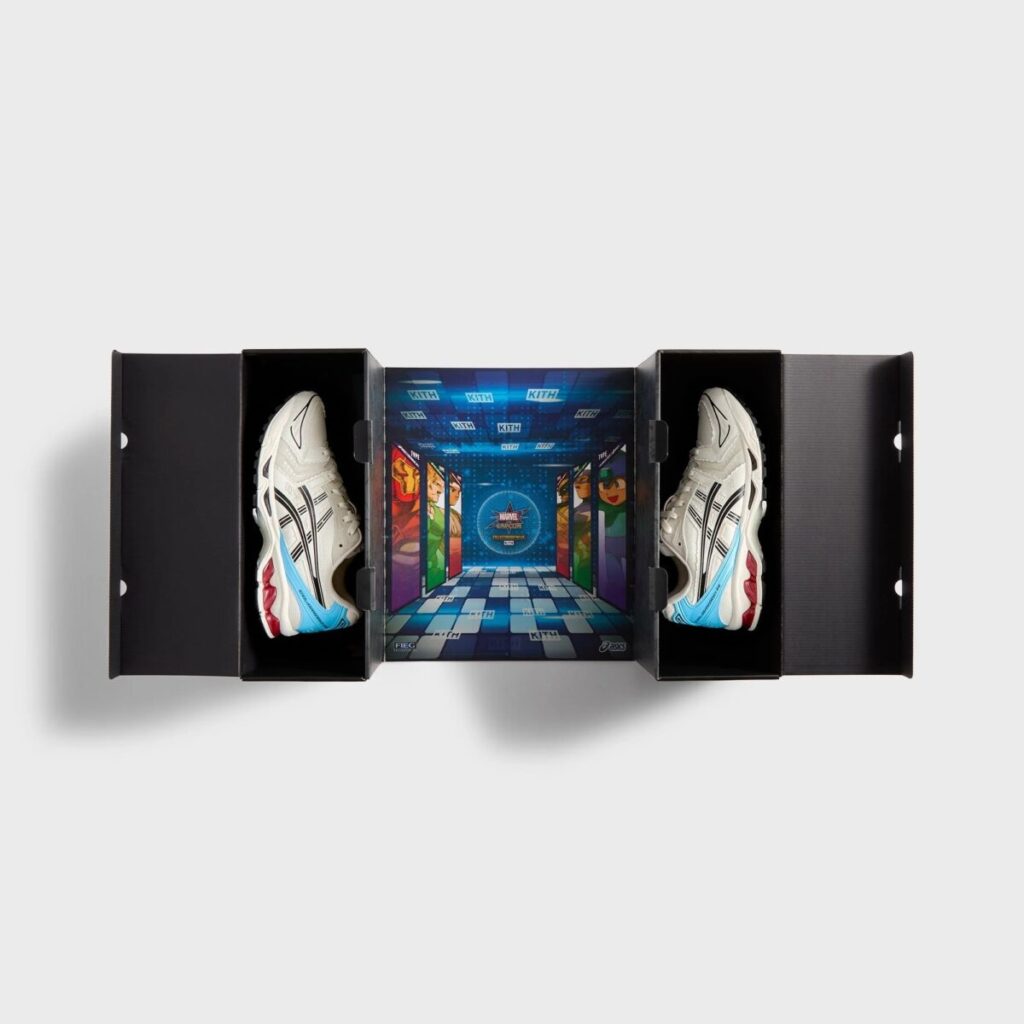
Kith’s official collection page breaks the structure down clearly. Two custom double boxes house the matchups, while two single boxes are dedicated to Ryu and Wolverine. Each pair carries character-driven palettes, materials and details, from distressed canvas and nubuck on the Ryu GEL-KAYANO 14 to metallic cues and gradients on the Iron Man vs Mega Man GEL-NIMBUS 10.1. You can see the full line-up and product details on Kith’s site.
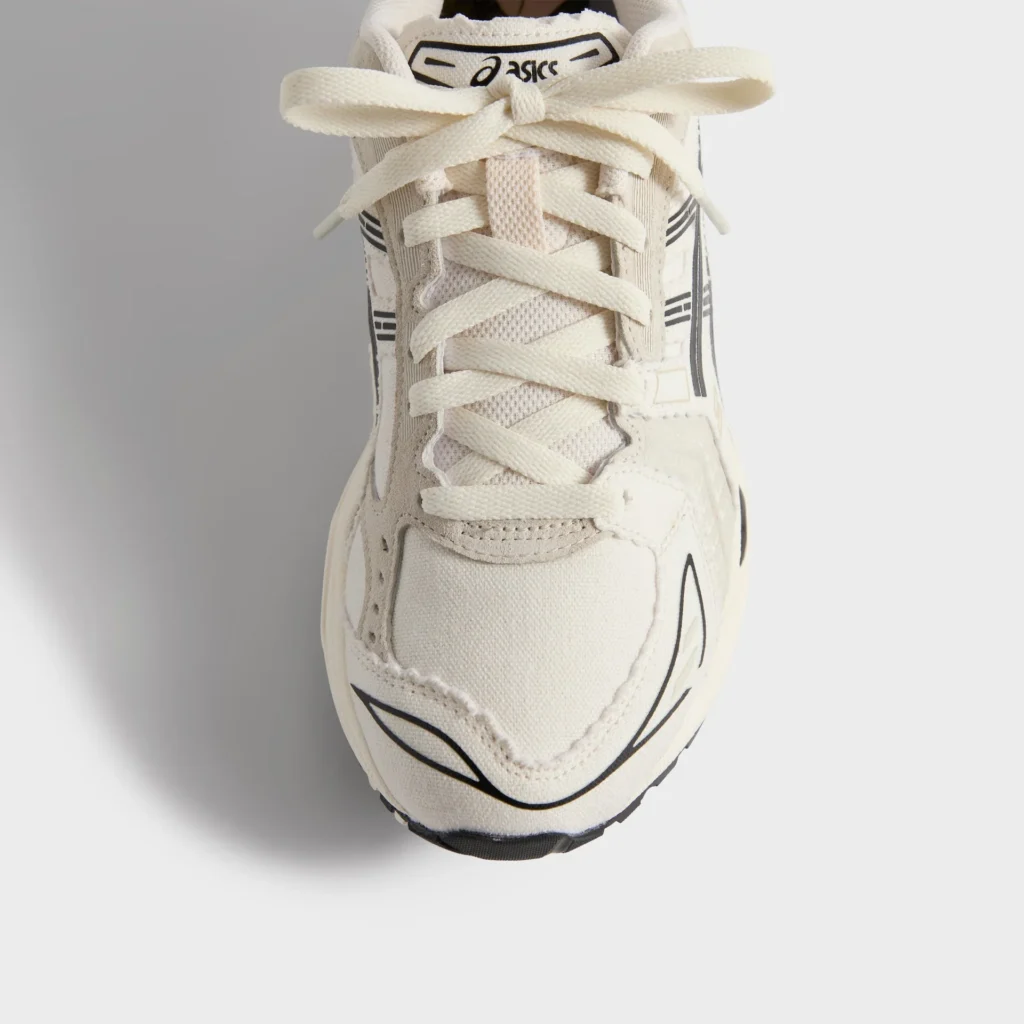
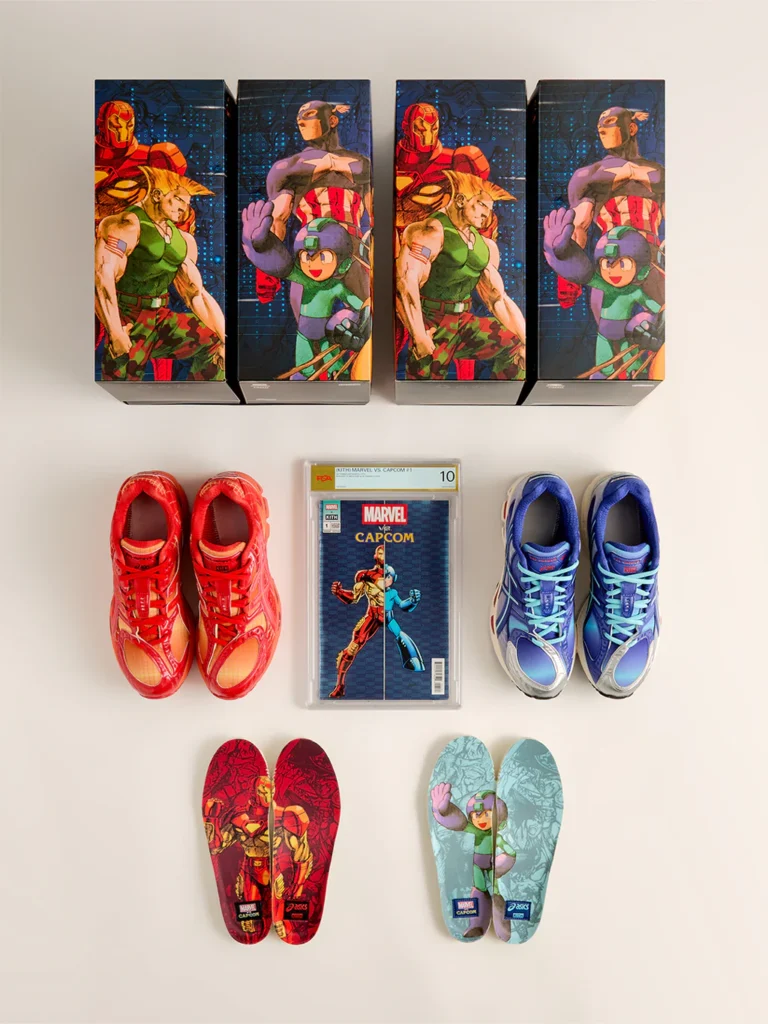
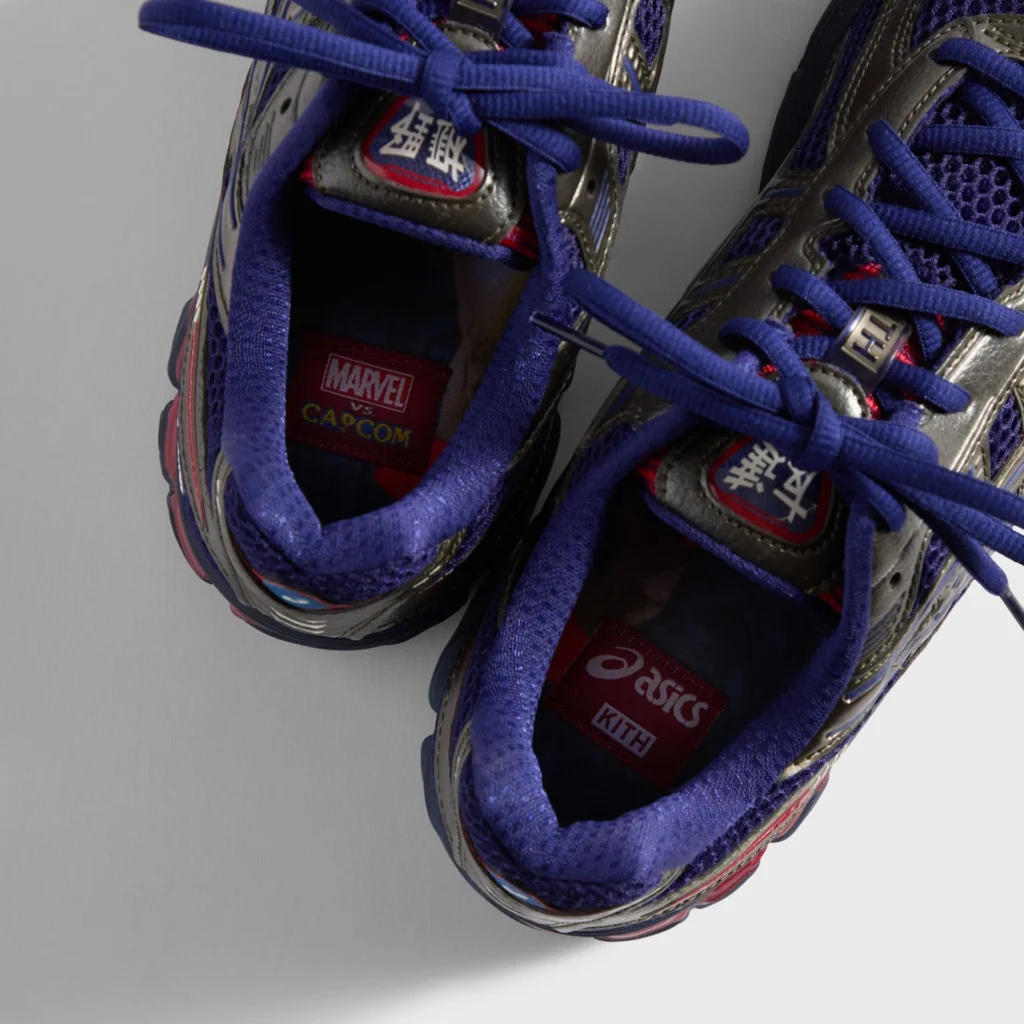
The storytelling extends beyond the shoes themselves. The capsule includes co-branded insoles that depict character battles, extra laces, custom sockliners, and packaging that feels more like a collectible toy drop than a simple shoebox. Kith’s own editorial feature describes an oversized shoebox installation in Shibuya PARCO in Tokyo, created specifically to launch the collection, turning retail into theater.
Sneaker media quickly framed the release as one of the stand-out moments of the season. Outlets like Sneaker Bar Detroit and Sneaker News highlighted the way arcade nostalgia, character storytelling and serious ASICS silhouettes came together. Custom sneaker platforms such as Sole Retriever zoomed in on the craftsmanship and collectible aspects, while custom sneaker platforms like Kicks Remixed is focused on emphasising price points, box sets and what makes the pack special for long term collectors of custom running sneakers and collab pairs.
So far, it sounds like a strong collaboration. But its power goes deeper than looks and packaging.
What This Pack Means For Sneaker Culture
Nostalgia as a design language
Sneaker culture has always thrived on nostalgia. We chase the shoes we could not afford as kids, the pairs our heroes wore, the logos that remind us of seasons and stories. The Marvel vs Capcom pack uses nostalgia as its main language.
The arcade logo, the character matchups, the colorblocking that hints at uniforms and power suits, all play into memories of late nights and loud arcades. Yet nothing feels like a costume shoe. Kith and ASICS resist the temptation to overload the uppers with character graphics. Instead they let palettes, textures and subtle branding do most of the work, while the more explicit art sits on sockliners and insoles.
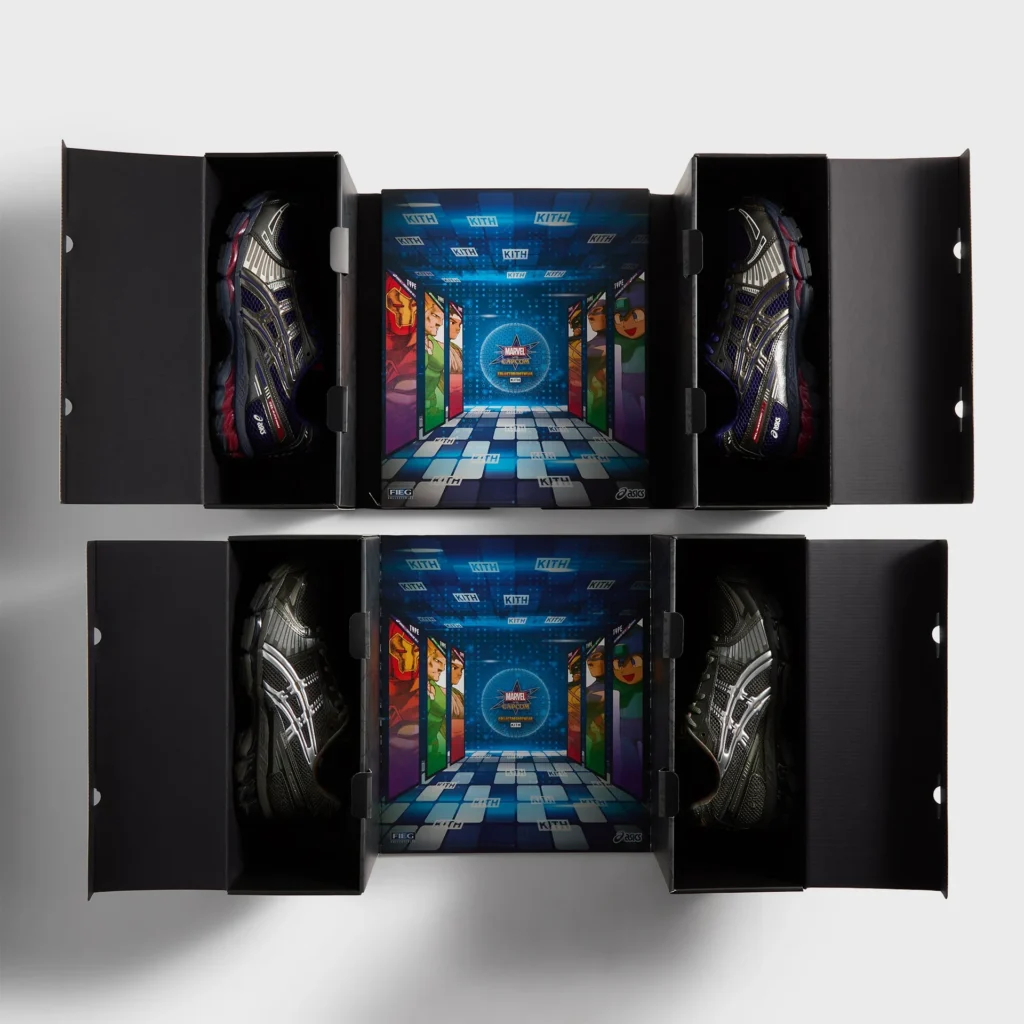
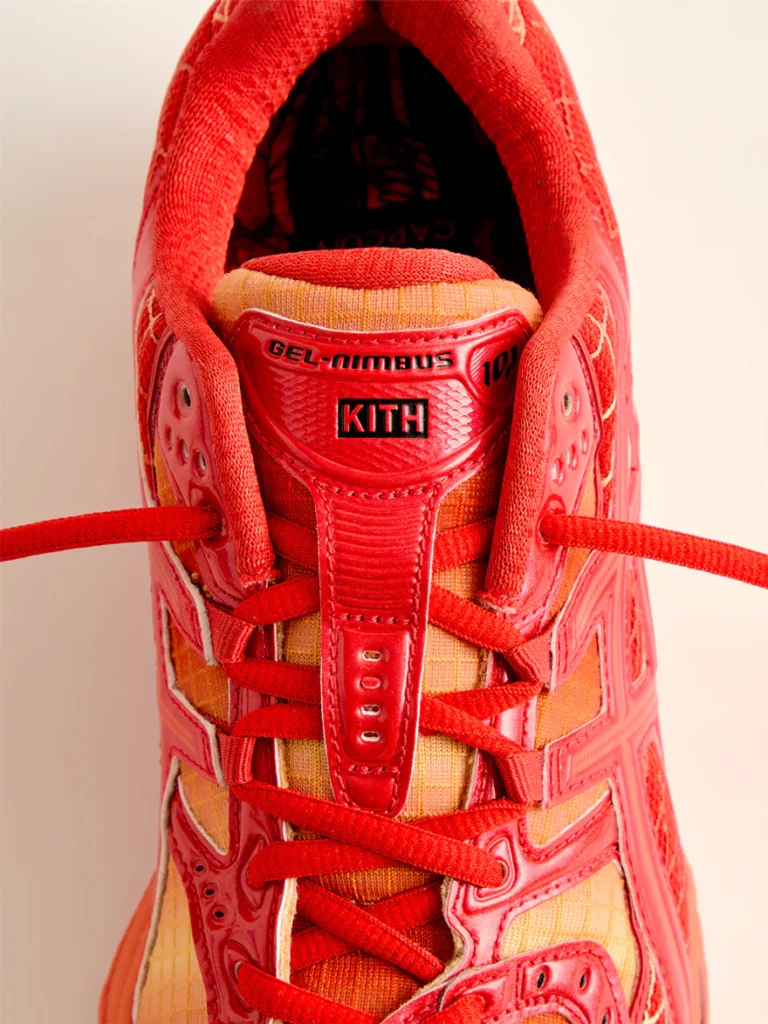
For sneaker culture, that approach matters. It respects the line between wearable fashion and overt fan merch. The result is a pack that looks good on-foot for people who never touched a joystick, while still feeling deeply rewarding to anyone who spent hours mastering combos in Marvel vs Capcom 2.
This is the same line that the best custom sneakers design work walks: storytelling that feels personal and nostalgic, without turning the shoe into a costume.
The Elevation of running heritage
The choice of silhouettes tells its own story. The GEL-KAYANO and GEL-NIMBUS lines are rooted in performance running, not lifestyle. By using these models, ASICS signals that it is not abandoning its DNA to chase hype. Instead, it is inviting hype into its heritage.
A pack like this helps reframe performance models as style pieces. For years, fashion-forward consumers associated hyped collabs with basketball and skate silhouettes. Now, running shoes and custom running sneakers have become a canvas. ASICS has already been bubbling in the fashion space with GEL-KAYANO 14s and other retro runners popping up on moodboards. This collaboration puts rocket fuel on that trajectory.
It tells sneaker culture that high-tech, comfort-driven shapes are not only acceptable but aspirational. It nudges the industry further into the era where “dad shoes” and runner-inspired silhouettes dominate moodboards and front rows.
Collectibility becomes multi-layered
Limited edition sneakers have always created their own economy. Raffles, early links, resale marketplaces, “got ‘em” screenshots, all exist because scarcity and story are powerful together. The ASICS x Kith x Marvel vs Capcom pack leans into that dynamic with real intention.
Double-box sets for the versus matchups feel like collector items straight out of a comic shop. The way each box celebrates duality, pairing heroes from different universes, invites people to display rather than just stack boxes in a closet. Retail partners like GOAT emphasise that these pairs are built for both wear and display, a key detail for collectors deciding whether to double up.

The important shift is that collectibility is no longer just about quantity and color. It is about narrative depth. A shoe that tells a full story will hold cultural value long after the first resale spike has faded. This pack follows that philosophy and encourages future collabs and custom sneaker art projects to do the same.
Streetwear and performance finally feel inseparable
For a long time, sneaker culture separated “performance” and “lifestyle” into different lanes. Basketball and skate models were perceived as lifestyle, while true running shoes stayed on the track. That division is collapsing.
The ASICS x Kith x Marvel vs Capcom pack is a clear sign that the merge is nearly complete. The shoes are fully functional performance models dressed in storytelling and street style. People buy them to run errands or run up their fits, but the underlying engineering is not a prop.
This matters because it subtly pushes the culture toward a more holistic view of sneakers. Comfort, function and platform are not separate conversations anymore. The best pairs, whether they are limited collabs or hand-painted custom sneakers, deliver all three.
The Pop Culture Ripple: When Fandoms Collide
Gaming officially enters the sneaker hall of fame
We have seen sneakers tied to movies, musicians and comic book universes. Gaming collaborations have appeared, but often as niche side stories. Marvel vs Capcom is different. The franchise is a pillar of arcade and home-console history. Bringing it into an ASICS x Kith capsule gives gaming culture equal billing with fashion and sports.
Kith’s promotional rollout treats the partnership with Marvel and Capcom as a three-way collaboration of equals. The editorial content, the giant shoebox in Shibuya, the character-driven product copy on Kith’s site, all present gaming not as a gimmick but as a core pillar. The official product collection page is a perfect example, which you can explore here.
For popular culture, that signals a shift. Gaming is not just entertainment. It is now fully accepted as a visual and emotional language that brands can build around, just like music-driven custom sneakers and art-driven sneaker customization.
Multi-fandom storytelling has become the standard
The magic of this pack lies in how many fandoms it touches at once. The Marvel universe, the Capcom arcade legacy, the cult-like love of Kith, and the growing appreciation for ASICS retro runners.
If you imagine the Venn diagram of these communities, the overlap is not as small as it once was. A person can just as easily watch the latest Marvel series, game online, care about comfort-focused footwear and obsess over Kith Monday Program drops. This collaboration speaks to that multi-hyphen consumer who refuses to be put in a single box.
That is why the pack travels so well on social media. Posts about it can live on gaming accounts, sneaker pages, fashion feeds and even comic book blogs without ever seeming out of place. Each community claims a piece of the story as “theirs”, which fuels sharing and conversation.
Shared brand equity and cultural resonance
There is a branding story layered into all this. Kith gets to remind the world that it is still the master of premium collaborative storytelling. Marvel and Capcom keep their characters present in a new lane that feels relevant to younger audiences. ASICS gains what might be the most important thing of all for a performance brand: cultural resonance.
On Kith’s own blog you see Marvel, Capcom and ASICS mentioned side by side as co-authors of the project. That framing matters. It does not feel like ASICS simply licensed a logo. It feels like a true partnership that sends brand equity in multiple directions. If you are a Marvel fan, you might discover ASICS. If you are loyal to ASICS for running, you might find yourself nostalgic for Capcom. That cross-pollination is the kind of slow-burn brand building that marketing teams dream about, and it mirrors how custom sneakers became the ultimate wearable portfolio for individual creators and brands alike.
The Branding Win For ASICS
From “runner’s shoe” to culture carrier
ASICS has never struggled for credibility among serious runners. Its challenge has always been visibility among style-first consumers. Nike and adidas have historically dominated that conversation. Recently, New Balance and Salomon have joined the lifestyle wave.
This collaboration helps push ASICS firmly into the same conversation. By allowing Kith creative director Ronnie Fieg to reinterpret models like the GEL-KAYANO 14 and GEL-NIMBUS 10.1 through Marvel vs Capcom storytelling, ASICS shows that it is willing to let its performance icons live new lives on the street.
It does not abandon GEL cushioning, stability structures or ergonomic shapes. It simply wraps them in a story that resonates outside of marathons and tempo runs. That creates a powerful message: “We are still for runners. We are also for culture.” That is the same positioning that strong custom running sneakers and limited-edition customs chase every day.
Craft without over-explaining tech
One smart choice in this pack is the balance between craft and technology in the storytelling. The shoes retain serious features like TRUSSTIC support systems and GEL technology, which you can see in the tech breakdown for the Ryu GEL-KAYANO 14 on Kith’s product page}. But the marketing never becomes a dry tech demo.
Instead, materials do most of the work. Distressed canvas is used to echo Ryu’s frayed gi. Metallic cues and layering hint at Iron Man without turning the sneaker into cosplay. The craft feels premium and intentional, yet the focus stays on how the shoes make you feel, not just how they are engineered. That balance is essential for a brand that wants to be both a performance leader and a lifestyle favorite in the age of custom sneakers and DIY sneaker art.
Premium positioning and long-term halo
This pack is not billed as an entry level move. Price points of 220 to 450 USD place the collection in premium territory, which is supported by the limited quantities, box sets and co-branded details. You can see those release details and pricing broken down on Kith’s own site.
High price points and scarcity reinforce the idea that ASICS can play at the top of the market in terms of desirability. Even consumers who never buy a pair still internalise the message that ASICS belongs in the same tier as other collaboration-heavy brands. That halo effect spills over onto general release models sitting in regular shops and even influences how people see other performance-based customs in the market.
Rap, Running Clubs And Sneakers: The Gunna Effect
To understand why this ASICS collaboration is so timely, you have to look at how running culture is evolving in parallel. Running is quietly becoming one of the coolest touchpoints in modern culture, especially when it intersects with music and fashion.
Rapper Gunna is a prime example. His Wunna Run Club initiative reframes running from a solitary grind into a communal flex. Through the official Wunna Run platform, fans can sign up to run 5Ks with him in different cities, often scheduled on the mornings of his shows. The official site for the club lives at wunnarun.only1gunna.com , and VIP race experiences are detailed on VIP Nation}.
At first glance, this might seem like a simple fan experience. Look closer and you see something more powerful. People show up in their favorite sneakers and running gear. They post race bibs and finish-line shots on socials. They are no longer just listening to music. They are participating in a lifestyle their favorite artist is actively shaping: one where performance footwear and street style are both part of the uniform, the same way custom sneakers inspired by music live on stages and timelines.
This is exactly the cultural seam that brands like ASICS are perfectly positioned to occupy. Running is no longer separated from style. Running clubs are content engines. Artists are designing their own routes and rituals around fitness.
Custom sneaker artists are part of this story too. Take eMCee Kicks, for example. The studio has created hand-painted custom shoes Air Force 1 pairs for Gunna, including “Drip or Drown” Air Force 1s that were documented on their social channels. You can get a feel for their approach to storytelling and customization on their site here and on platforms like Facebook}.
When you have an artist like Gunna running 5Ks with fans and working with custom sneaker artists, you are seeing exactly how running, rap, sneakers and art converge. The same person who cares about BPMs and bars also cares about split times and sneaker rotations. That convergence makes collaborations like ASICS x Kith x Marvel vs Capcom feel perfectly aligned with the moment.
Why The ASICS Move Hits So Hard
All of this brings us back to why the ASICS x Kith x Marvel vs Capcom pack is such a strong strategic move for ASICS specifically.
It earns ASICS a seat in rooms it used to visit only as a supporting character. Now, ASICS is the star of a drop that sits on hype calendars, fills wishlists and headlines. The brand’s name appears right beside Marvel, Capcom and Kith in articles from Hypebeast and Sneaker News. That visibility alone shifts perception.
It also lets ASICS show the world what “authentically cool” looks like for the brand. Nothing about the collection feels off-brand. The shapes stay true to ASICS engineering. The story celebrates play, motion and competition, which fits naturally with a sports heritage brand. The collaboration simply gives ASICS a new context to express itself, right alongside the rise of high-end custom sneakers and limited runs.
On a business level, the move unlocks several wins at once. There is premium revenue from the pack itself. There is a brand lift that touches everything from performance lines to lifestyle GRs. There is the creative learning that comes from working with world-class partners like Kith and Marvel. And there is proof that ASICS can support complex storytelling across product, retail, content and experiential installations.
All of that is invaluable ammunition for the next round of collaborations.
The Bigger Play: How Any Brand Can Work With Sneaker Artists And Designers
The story does not end with ASICS, Marvel and Kith. The real lesson sits at a higher level. Any brand, whether in fashion, tech, food, hospitality, beauty or entertainment, can tap into this energy by working with sneaker artists and designers. Established names and unknown talents both have something powerful to offer.
The first step is to recognize that sneakers are not just footwear. They are moving billboards, conversation starters and identity badges. When a brand appears on a sneaker, it occupies space in someone’s daily life in a uniquely intimate way. It is there when they travel, when they queue for coffee, when they go on dates, when they hit the gym or the club.
Partnering with sneaker artists and designers allows a brand to turn that intimacy into story. Artists like eMCee Kicks demonstrate how a single pair can tell a narrative about an album, a cause, a city or a person. Large-scale players like Kith show how collaborative footwear can anchor entire seasonal storytelling arcs. For brands, this can range from one-off gifts to employees to full custom sneakers for company programs that keep them looking cool and culture-forward.
For brands looking to follow this path, there are a few mindset shifts that make the difference.
Think of sneaker artists and designers as co-authors, not vendors. Whether they are big names or emerging creatives, bring them into the narrative early. Ask what the culture is talking about, which visual codes are resonating, which subcultures are bubbling. Let them shape the concept, not only execute the final artwork.
Stay curious about subcultures. The Marvel vs Capcom pack works because the team behind it clearly understands gaming culture, anime-adjacent visual language, and how those elements translate into wearable design. Brands that want to replicate that kind of heat need to watch local scenes, digital communities, emerging running crews, underground music and art communities. The next great collaboration idea might come from a small customizer in a studio apartment, a custom sneaker workshop near me, or a runner painting shoes for their club.
Design for moments, not just products. A sneaker collaboration that goes viral almost always has a moment attached to it. For Kith and ASICS, that moment includes the Shibuya shoebox installation and the global release time. For Gunna and Wunna Run Club, it is the 5K mornings before a show. Brands that want shareable impact should think about what the reveal, the experience and the memory will feel like before they even lock in color palettes.
Be willing to start small, without worrying about mistakes that a smaller designer might make. Not every brand needs to jump straight to a six-pair global pack with big entertainment IP. Some of the most powerful moves are micro-collabs: a run club partnering with a local artist on a limited run of custom pairs, a coffee brand commissioning a small batch of hand-painted sneakers for its baristas and super fans, a tech startup gifting custom kicks to its early community. These smaller plays generate real loyalty and organic posting, especially if the artist’s own community feels seen and celebrated through the custom sneakers community in New York for example or local stories.
Stay anchored in who you are. The collaborations that last are the ones where everything still feels on-brand. ASICS did not pretend to be a comic company. It brought its running heritage, technical aesthetic and comfort-first ethic to the table. Marvel and Capcom brought their characters and their lore. Kith brought its elevated streetwear and storytelling. When all sides stay true to their DNA, the result resonates longer.
Most of all, keep your eyes open and your finger on the pulse of culture. The creative who is quietly airbrushing shoes in a garage today could be the next big collaborator. The run club that is jogging around your city once a week could become the next Wunna Run Club. The gaming community designing fan art for a classic title might be the perfect partner for a nostalgic drop. Brands that are awake to these signals will always move earlier, faster and more authentically than those who wait for the hype to hit the front page.
Closing Thoughts: Sneakers As Culture, Not Just Product
The ASICS x Kith x Marvel vs Capcom pack is an inflection point. It shows what happens when a performance brand embraces lifestyle and pop culture without sacrificing its roots. It proves that gaming, comics, running, art and streetwear are not separate worlds anymore. They are different rooms in the same house.
ASICS gains a new layer of relevance. Kith adds another masterclass collaboration to its resume. Marvel and Capcom find fresh ways to live on the feet of fans. Gunna and Wunna Run Club show how music, running and sneakers can build a new kind of community. Artists like eMCee Kicks remind everyone that customization and storytelling at the pair-by-pair level are just as vital as big-budget campaigns.
For brands of every size and category, the message is simple. If you want cultural relevance, start looking at sneakers not as a trend but as a medium. Work with sneaker artists and designers. Invest in stories that actually mean something to the communities you serve. Give people pairs that embody who they are and what they love, whether that is through limited collabs or deeply personal custom sneakers.
And never stop watching the culture move. The next great collaboration idea is probably already walking around your city on someone’s feet.