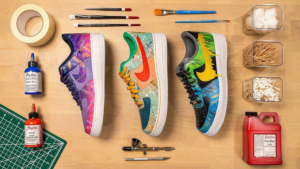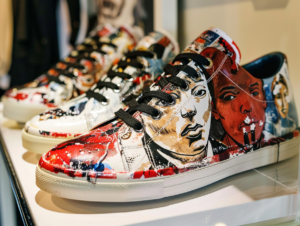
Sneakers have long been more than footwear. They are artifacts of identity, markers of cultural belonging, and canvases for artistic expression. For decades, sneaker culture revolved around collecting rare releases, lining up for limited drops, and displaying prized pairs like museum pieces. Yet a significant shift has taken place in recent years. Instead of simply purchasing sneakers designed by brands, people increasingly want to design their own.
Across cities worldwide, custom sneaker workshops have emerged as experiential events where participants transform blank or standard sneakers into personalized works of art. These workshops combine art class, social gathering, and cultural immersion. They attract sneaker enthusiasts, artists, casual hobbyists, corporate teams, and even families looking for a creative outing.
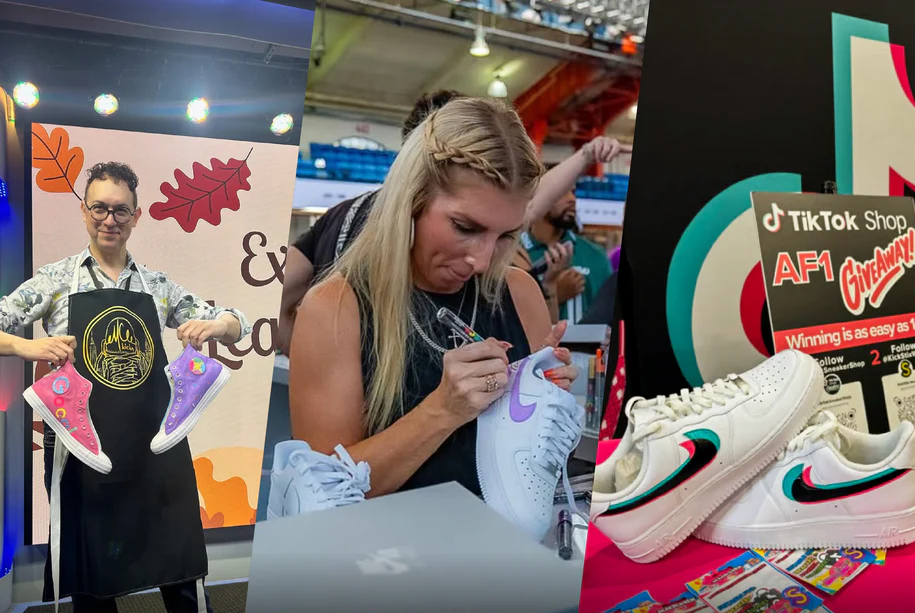
Among the events helping propel this movement forward is the “Drip and Sip” workshop series hosted by eMCee Kicks, which blends sneaker customization with a relaxed social environment that encourages creativity and community. These workshops reflect a broader trend: the democratization of sneaker design and the rise of experiential sneaker culture.
The proliferation of custom sneaker workshops reveals something deeper than a passing trend. It highlights how sneaker culture is evolving from consumption to participation, from exclusivity to accessibility, and from brand-driven hype to community-driven creativity.
From Collector Culture to Creator Culture
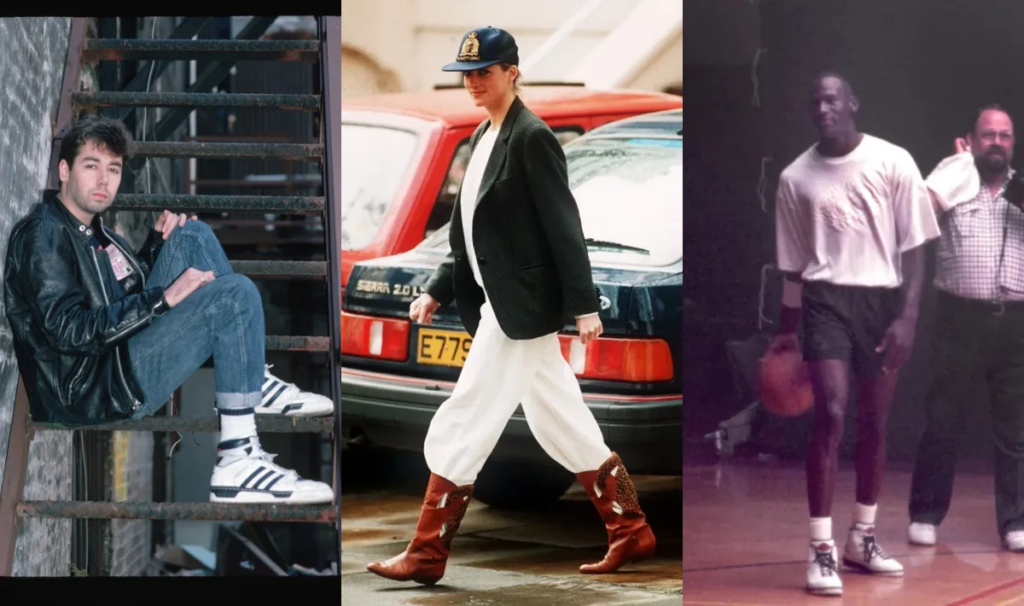
Sneaker culture’s origins are deeply tied to sports, music, and urban style. Beginning in the 1980s and 1990s, athletes and hip-hop artists elevated sneakers into cultural icons. Signature shoes from basketball legends and collaborations with musicians helped transform footwear into a symbol of identity and status.
By the early 2000s, sneaker collecting had become a global phenomenon. Limited releases and exclusive collaborations created a thriving resale market. According to market research from Cowen & Company and StockX, the global sneaker resale market alone was estimated to exceed $6 billion in value by the early 2020s. The culture revolved around scarcity and access. Owning the right pair often depended on timing, connections, or luck.
But alongside this collector culture, another movement quietly developed: sneaker customization.
Artists began painting, dyeing, and reconstructing sneakers to create unique designs that brands had never produced. Early pioneers posted their creations on forums and social media platforms, demonstrating that sneakers could serve as artistic mediums. What began as niche experimentation eventually evolved into a recognizable craft.
Custom sneaker artists gained significant followings online, and some began receiving commissions from celebrities and athletes. According to reports from footwear industry publications such as Footwear News, the rise of social media platforms like Instagram dramatically accelerated the visibility of custom sneaker art. Artists could showcase their work globally, inspiring others to attempt customization themselves.
As interest grew, something new emerged. Instead of simply admiring custom designs online, people wanted to learn how to create them.
That desire for hands-on participation laid the foundation for custom sneaker workshops.
The Workshop Model: Art Class Meets Sneaker Culture
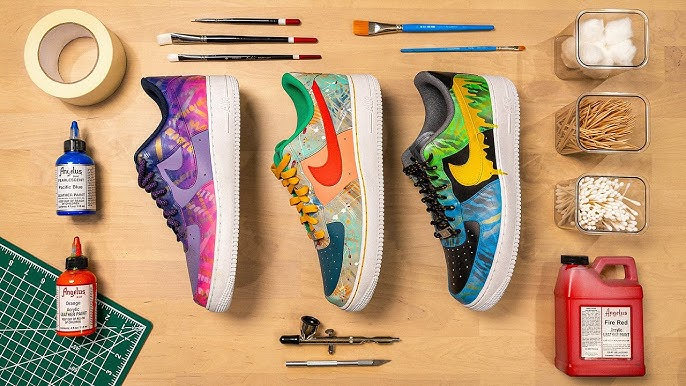
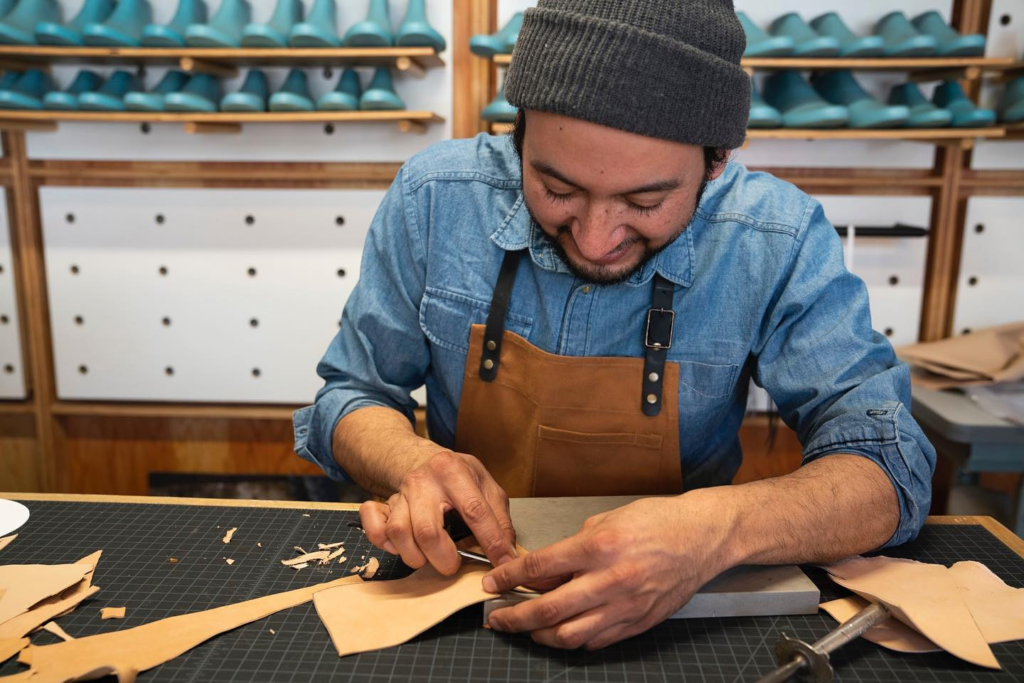
Custom sneaker workshops combine artistic instruction with sneaker enthusiasm. Participants receive a pair of sneakers often classic silhouettes and learn techniques such as painting, stenciling, dyeing, and sealing designs.
The experience typically includes guided instruction from an artist or sneaker designer who explains how to prepare the material, apply paint properly, and finish the design so it remains durable.
The appeal of these workshops lies partly in their accessibility. Many participants arrive with little or no artistic experience. Yet with guidance and the right materials, they can produce something uniquely personal.
Workshops also tap into the broader “experience economy,” a concept described by business theorists B. Joseph Pine II and James H. Gilmore. In an economy increasingly driven by experiences rather than possessions, consumers seek activities that create memorable moments and social connections.
Custom sneaker workshops fit this model perfectly. Participants leave with both a personalized object and the memory of creating it.
Many workshops also incorporate social elements that make the experience feel less like a class and more like an event. Music, drinks, and relaxed environments encourage conversation and collaboration.
These features make sneaker workshops attractive to a wide audience. Corporate groups book them for team-building activities. Birthday parties and private celebrations use them as creative entertainment. Art enthusiasts view them as alternative creative outlets.
What began as small gatherings organized by sneaker artists has evolved into a growing niche industry.
Social Media and the Visual Economy of Sneakers
One of the most powerful drivers of the custom sneaker workshop boom is social media.
Platforms like Instagram, TikTok, and YouTube thrive on visual storytelling. Sneakers especially customized ones are highly photogenic objects that translate well into digital content. A before-and-after transformation of a plain shoe into a vibrant artwork creates compelling visuals that audiences love to watch and share.
Tutorial videos demonstrating customization techniques frequently attract millions of views. Time-lapse videos showing sneakers being painted or reimagined into entirely new designs have become particularly popular.
These videos do more than entertain; they educate viewers about the creative process. Seeing a design come together step by step makes the craft feel approachable.
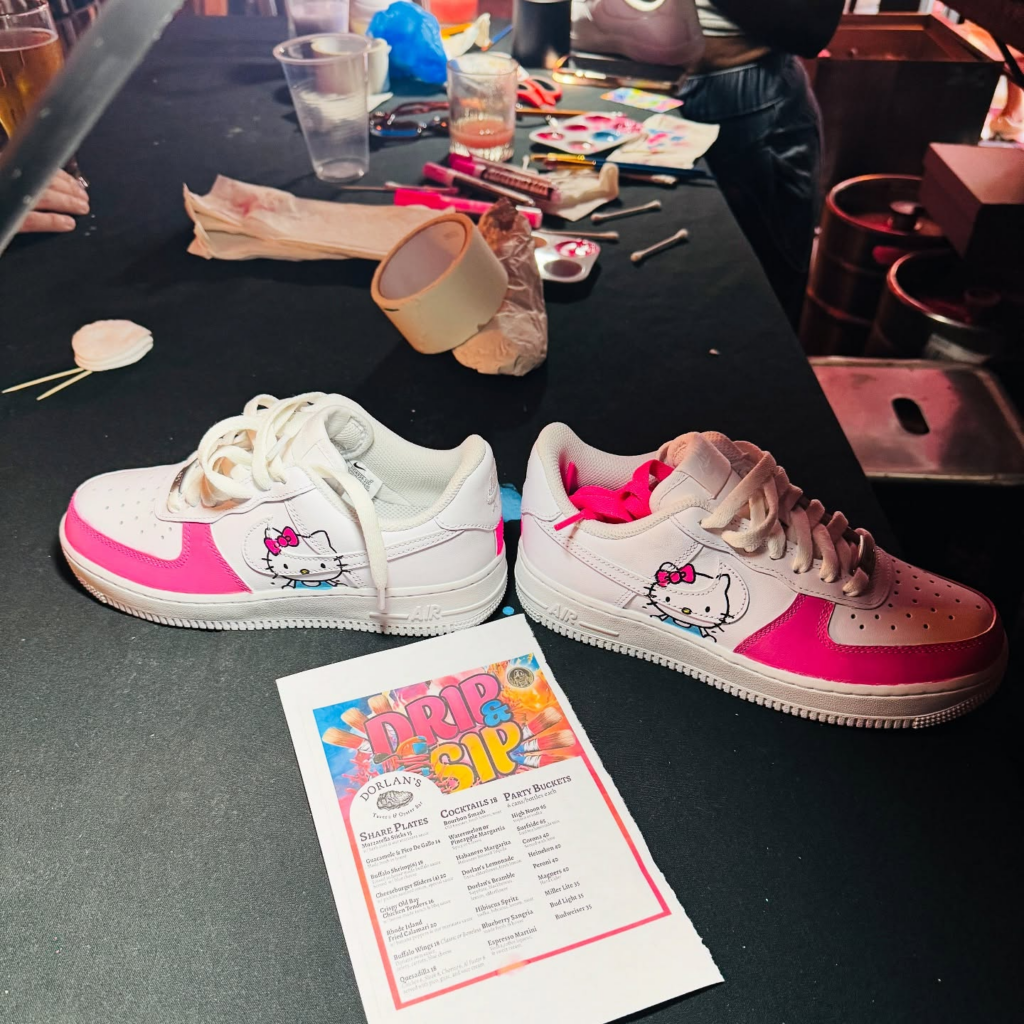
For many workshop participants, their first exposure to sneaker customization happens online. After watching artists transform ordinary sneakers into personalized masterpieces, viewers often realize they could attempt similar designs with guidance.
Workshops capitalize on this curiosity by offering structured environments where beginners can safely experiment with paints, brushes, and design concepts.
Social media also amplifies the workshop experience after the event ends. Participants proudly post photos of their finished sneakers, often tagging the workshop organizers and sharing the story of how they created them. This user-generated content becomes organic marketing that attracts new participants.
The result is a self-reinforcing cycle. Online content inspires curiosity, workshops provide hands-on experience, and participants share their creations online, inspiring others.
Community, Creativity, and the Social Side of Sneakers
While customization techniques draw participants initially, the community aspect often becomes the most memorable part of sneaker workshops.
Sneaker culture has always been social. Collectors gather at conventions, trade shoes online, and discuss releases in forums. Workshops extend that community spirit into collaborative creative spaces.
Participants frequently exchange design ideas during the workshop process. Someone might experiment with a new color palette, while another tries a stencil technique. Conversations naturally develop around sneakers, fashion, music, and art.
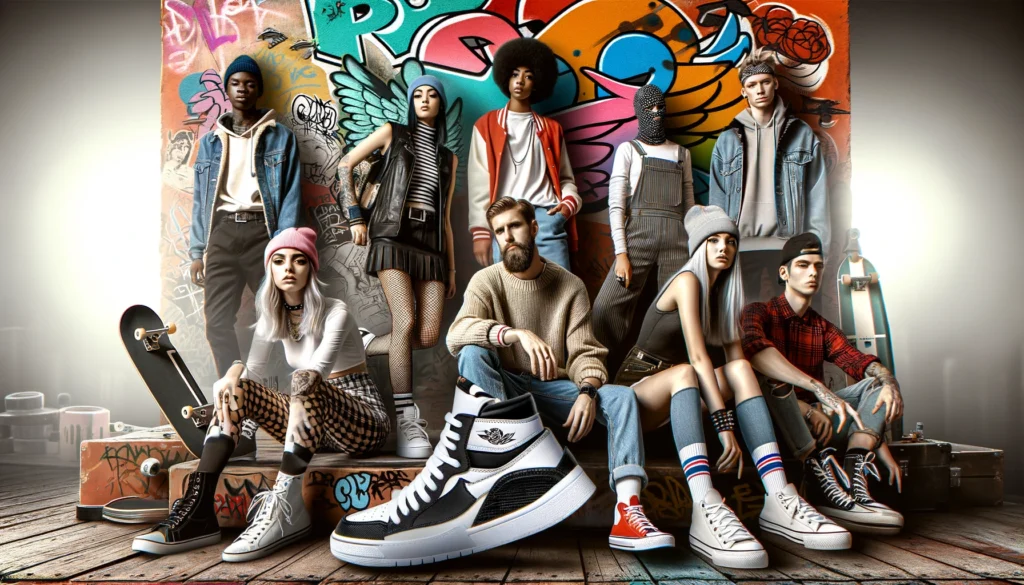
These interactions create a sense of belonging that mirrors the early days of sneaker culture when enthusiasts bonded over shared interests.
The workshop format also breaks down the competitive dynamics sometimes associated with sneaker collecting. Instead of competing for limited releases, participants celebrate each other’s creativity.
Many attendees leave workshops with new friendships and a deeper appreciation for sneaker artistry.
For artists hosting these events, workshops offer a way to share their craft while building supportive communities around creativity.
Drip and Sip: Blending Art, Sneakers, and Social Experience
Among the innovative workshop formats emerging in this space is the “Drip and Sip” series hosted by eMCee Kicks. The concept reflects the evolution of sneaker customization into a social creative experience.
Drip and Sip events combine guided sneaker customization with a relaxed environment where participants can enjoy beverages, music, and conversation while working on their designs. The format echoes the popular “paint and sip” art classes that gained popularity in the 2010s, but it adapts the concept specifically for sneaker culture.
Participants are introduced to the fundamentals of sneaker customization, including material preparation, color application, and finishing techniques that help preserve the artwork. Throughout the event, instructors provide guidance while encouraging participants to develop their own aesthetic ideas.
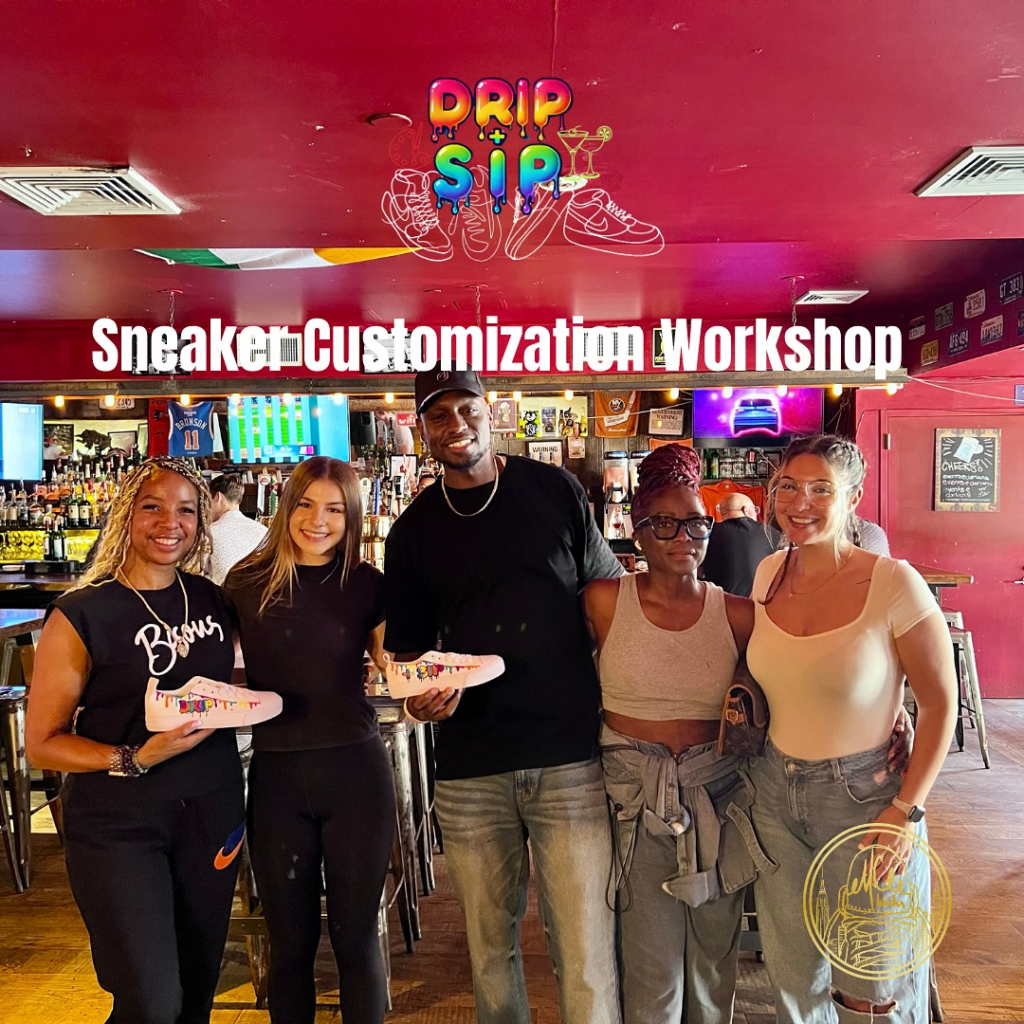
What distinguishes Drip and Sip events is the balance between structure and freedom. Participants receive enough instruction to feel confident using the tools, yet they are encouraged to experiment creatively.
This balance allows individuals with no prior artistic experience to produce impressive results while still feeling ownership of their designs.
The atmosphere also plays a critical role. Music, social interaction, and a casual environment transform the workshop into a cultural event rather than a traditional class. Participants are not simply learning a craft; they are participating in a shared creative moment.
Events like these demonstrate how sneaker culture continues to intersect with broader lifestyle experiences, blending art, fashion, and social connection.
The Economics of Custom Sneaker Experiences
The growth of sneaker workshops also reflects broader economic shifts within the sneaker industry.
The global athletic footwear market was valued at more than $130 billion in 2023 according to market research from Grand View Research, with continued growth expected through the decade. As the market expands, consumers increasingly seek ways to stand out in a landscape where millions of pairs are produced each year.
Customization provides that differentiation.
Major brands have recognized this demand. Companies like Nike and Adidas offer limited customization through online platforms where customers can select colors and materials for certain models.
However, digital customization tools remain constrained by preset options. Workshops offer something fundamentally different: the ability to create entirely original designs.
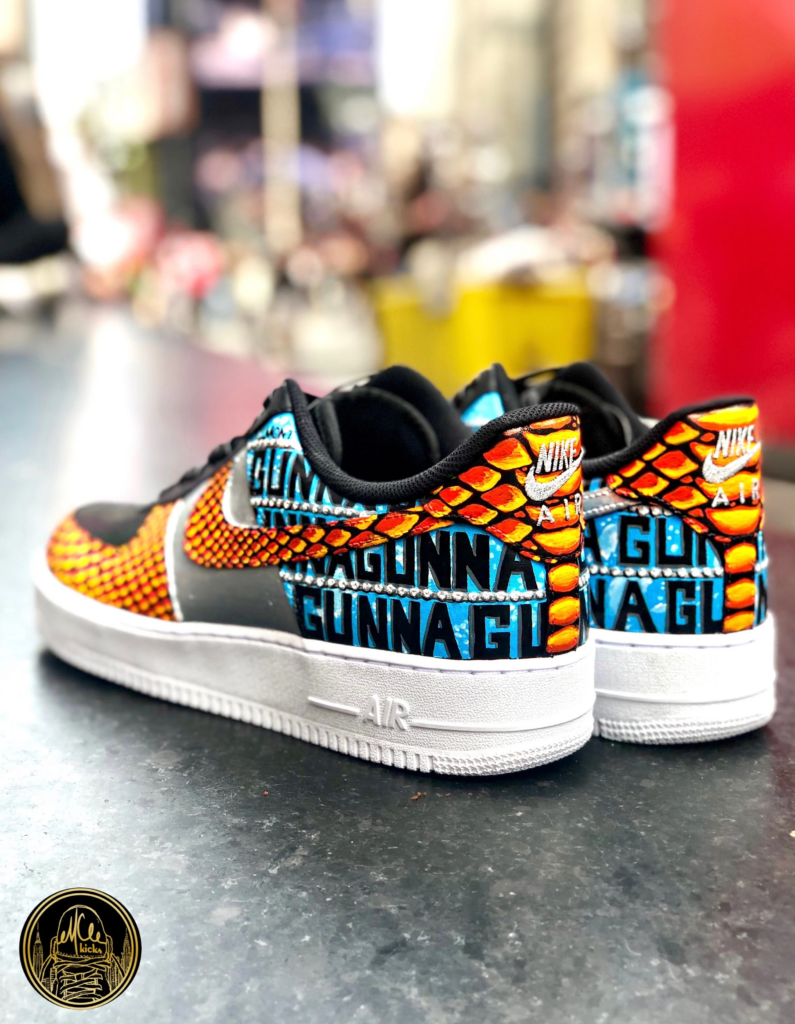
From an economic perspective, workshops represent a new revenue stream for artists and small creative businesses. Instead of relying solely on selling finished custom sneakers, artists can monetize their expertise by teaching others.
This model scales more easily than producing one-of-a-kind commissions. A single workshop may accommodate dozens of participants, each paying for the experience and materials.
Local venues such as art studios, community centers, and retail spaces also benefit by hosting events that attract new audiences.
As interest grows, some workshops expand into full creative studios offering advanced classes, private events, and youth programs.
Education Through Sneaker Art
Another important dimension of custom sneaker workshops is their educational potential.
Sneaker customization involves a surprising range of artistic and technical skills. Participants learn about color theory, composition, and design principles. They also gain hands-on experience with tools such as airbrushes, fine paintbrushes, masking techniques, and protective sealants.
For younger participants, workshops can serve as informal art education. Painting on sneakers feels less intimidating than working on traditional canvases, which encourages experimentation.
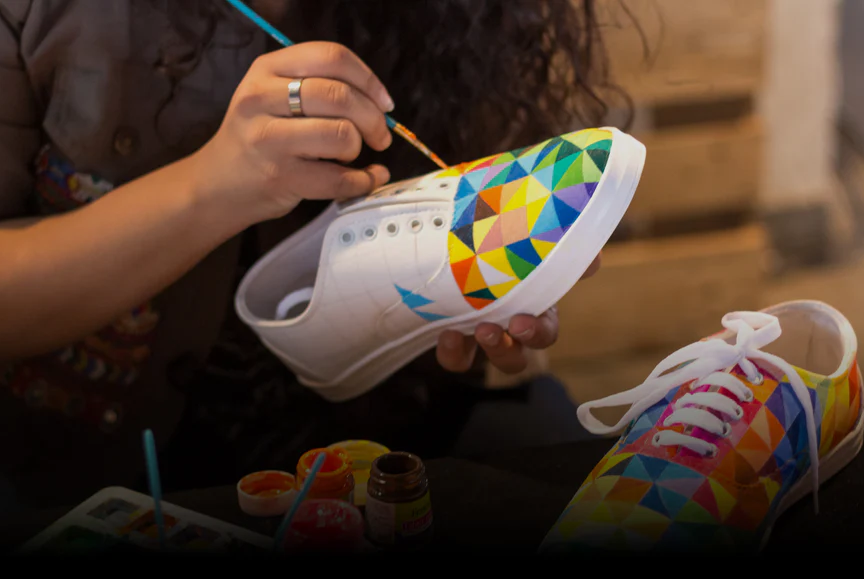
Some programs partner with schools and community organizations to introduce students to creative careers in fashion, design, and art.
These educational opportunities highlight the broader cultural significance of sneaker customization. What might appear at first glance to be a hobby actually intersects with design education, entrepreneurship, and creative expression.
Workshops show participants that sneakers can be more than consumer products they can be platforms for storytelling and identity.
The Future of Custom Sneaker Workshops
As sneaker workshops continue to proliferate, several trends suggest the movement will expand further.
One trend is the integration of technology into customization. Digital design tools, augmented reality previews, and advanced printing techniques may soon allow participants to visualize their designs before applying them to physical sneakers.
Another development is the growth of traveling workshops and pop-up events. Instead of operating only from fixed studios, organizers increasingly bring workshops to festivals, conferences, and cultural events.
This mobility helps introduce sneaker customization to audiences who may not actively seek out art classes but are intrigued by the novelty of designing their own footwear.
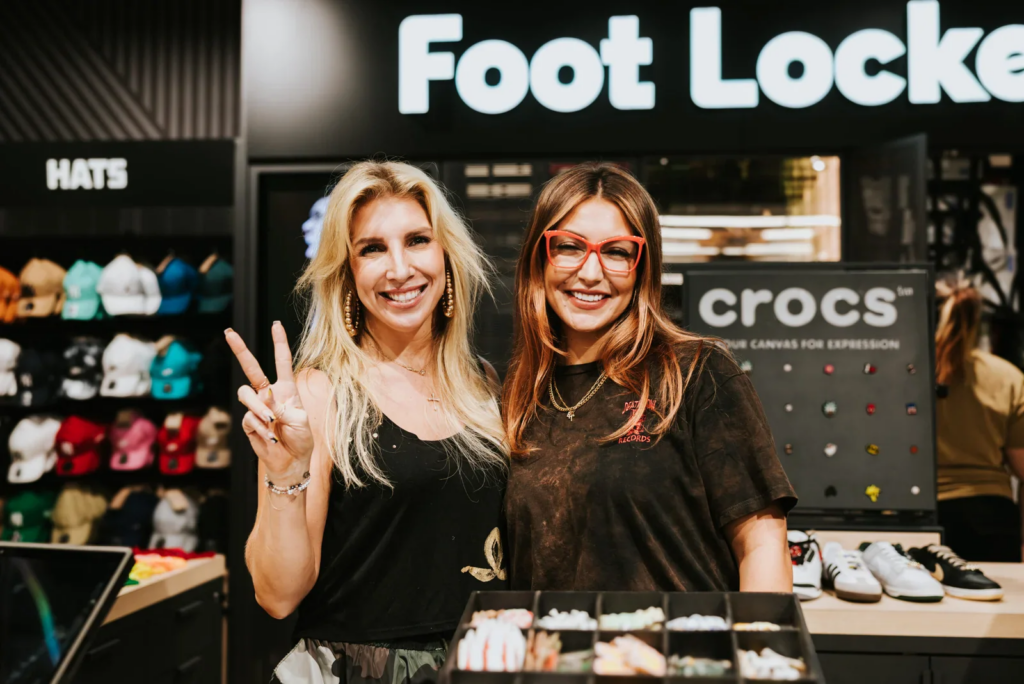
Collaborations between brands and workshop hosts also appear likely. Brands benefit from engaging consumers in creative experiences that deepen emotional connections with their products.
At the same time, independent artists and organizations maintain the authenticity that attracts participants in the first place.
Events like the Drip and Sip series illustrate how customization workshops can evolve into cultural gatherings that celebrate creativity and individuality.
Conclusion: Sneakers as Canvases for the Next Generation
The rise of custom sneaker workshops marks a significant shift in sneaker culture. For decades, the culture centered on acquisition—collecting rare pairs, chasing limited releases, and displaying prized shoes as symbols of status.
Today, a new generation of enthusiasts is redefining what it means to participate in sneaker culture. Instead of merely buying sneakers, they want to create them.
Custom sneaker workshops provide the perfect gateway into this creative world. They combine artistic exploration with the social energy that has always defined sneaker communities.
Events like the Drip and Sip series by eMCee Kicks exemplify this evolution. By blending guided instruction with a relaxed, social atmosphere, these workshops transform sneaker customization into a shared cultural experience.
Participants leave not only with a personalized pair of sneakers but also with a deeper understanding of the artistry behind footwear design.
Perhaps most importantly, these workshops democratize creativity. You no longer need to be a professional artist or designer to transform sneakers into meaningful expressions of identity. With the right tools, guidance, and community support, anyone can participate.
As the movement grows, custom sneaker workshops may play an increasingly important role in shaping the future of sneaker culture. They shift the focus from scarcity to creativity, from competition to collaboration.
In a world where millions of identical sneakers roll off factory lines each year, the appeal of something uniquely personal becomes even stronger.
Custom sneaker workshops offer exactly that opportunity: the chance to turn a simple pair of shoes into a story, a memory, and a work of art created by your own hands.
And in doing so, they remind us that the most meaningful sneakers may not be the rarest ones on the shelf but the ones we create ourselves.