The Shift from Buying Products to Creating Experiences
Something fundamental has changed in the way people buy—and once you see it, you can’t unsee it. The shift isn’t loud on the surface, but it’s everywhere underneath. It shows up in search behavior, in how people talk about products, and in what actually drives them to click “buy.” People aren’t just purchasing anymore. They’re participating.
Sneaker customization sits right at the center of that shift, and it tells you more about modern consumer behavior than almost any other category right now.
At a glance, customizing sneakers might look like a niche interest—people picking colors, maybe adding a personal twist to a pair of kicks. But zoom out for a second, and it becomes clear this is bigger than sneakers. It’s about control. It’s about identity. It’s about people wanting to move away from passive consumption and into something more intentional.
Search trends make that obvious. Keywords like “custom sneakers,” “design your own sneakers,” and “personalized kicks” are not just trending—they’re growing with consistency. That kind of growth signals something deeper than hype. It signals a behavioral shift. People aren’t just browsing anymore. They’re searching with purpose.
And that purpose is rooted in relevance.
Consumers today are flooded with options. Endless drops, constant releases, infinite scrolling. But more options haven’t made buying easier they’ve made people more selective. Instead of grabbing what’s available, they’re looking for what actually fits them. Not just physically, but personally.
That’s where customization changes the game.
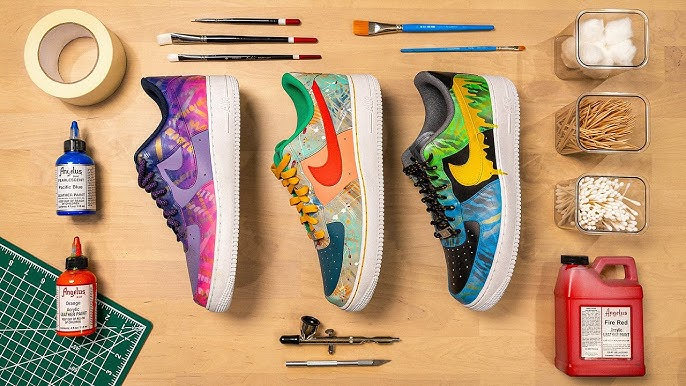
When someone designs their own sneakers, they’re not just choosing a product they’re shaping it. Every decision becomes intentional. Every detail reflects something about them. And that process transforms the entire experience. It turns buying into building.
Platforms like KicksRemixed are built around that idea. They don’t just sell sneakers they create space for people to express themselves through design. And that subtle shift from product to process is exactly what makes customization so powerful.
Because once people experience that level of involvement, going back to standard buying starts to feel limited.
Personalization Has Moved from Luxury to Expectation
Not long ago, customization felt like an upgrade. Something extra you paid for. Something niche. Now it feels like the baseline.
Consumers expect things to adjust to them. Not the other way around.
You see it in everything. Streaming platforms that recommend exactly what you want to watch. Algorithms that shape your feed. Ads that feel almost too accurate. Personalization has become part of everyday digital life, and that expectation doesn’t stop when people start shopping.
It carries over.
So when someone looks at a pair of sneakers, the question isn’t just “Do I like this?” It’s “Does this represent me?” And if the answer is no, they keep looking or they look for a way to change it.
That’s why searches like “custom sneaker design,” “design your own kicks,” and “personalized sneaker gifts” are climbing. They reflect a mindset where people don’t want to settle for what’s available. They want something that feels like theirs from the start.
And that changes how value is defined.
A standard sneaker might be easier to buy, faster to ship, and more widely available. But a custom sneaker offers something different. It offers individuality. And for a growing segment of consumers, that individuality matters more than convenience.
That’s the shift brands have to understand.
KicksRemixed taps into that by focusing on creation rather than selection. It gives users the ability to build something that aligns with their taste, not just choose from pre-designed options. And that approach aligns perfectly with how consumers are thinking right now.
Because once personalization becomes expected, anything less starts to feel outdated.
Identity and Expression Without the Effort of Standing Out
There’s an interesting tension in modern consumer behavior. People want to stand out, but they don’t want to feel like they’re forcing it.
Customization solves that in a way few other things can.
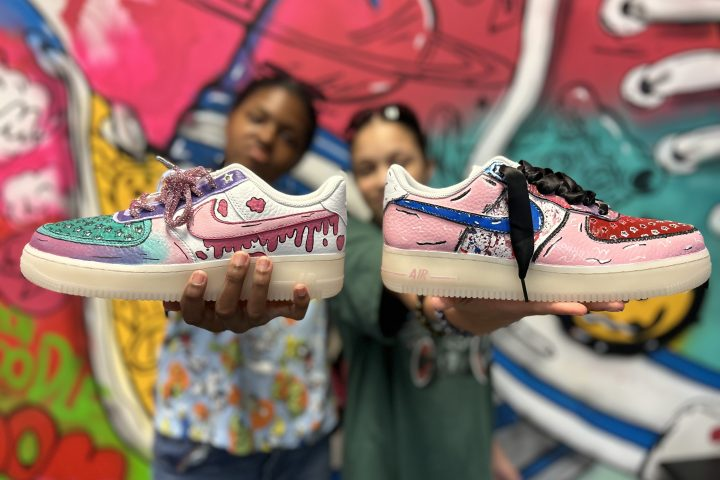
A custom sneaker doesn’t rely on logos or hype to get attention. It stands out because it’s different by design. Not loud, not forced just naturally unique. And in a space where so many people are wearing the same releases, that kind of difference is immediately noticeable.
This ties directly into identity.
What people wear has always been a form of expression, but customization removes the filter. Instead of choosing from someone else’s vision, consumers create their own. That level of control changes the relationship between the person and the product.
It becomes more personal. More direct.
That’s also why mass collaborations don’t always land the way they used to. Even when they’re well executed, they’re still shared across thousands of people. The uniqueness is limited. The expression is diluted.
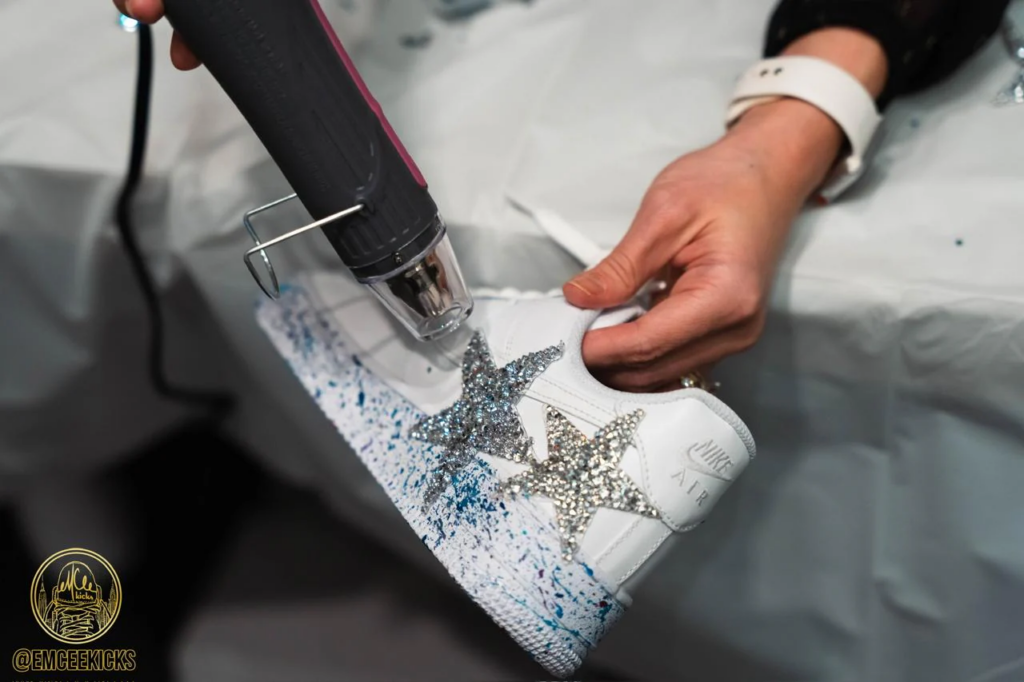
Custom sneakers flip that completely.
No two designs have to be the same. The exclusivity isn’t manufactured it’s built into the process. And that authenticity is what makes it resonate.
Search behavior reflects this shift clearly. Terms like “unique sneaker designs,” “custom kicks online,” and “one-of-one sneakers” are gaining traction because they represent something different. They represent individuality without compromise.
And that’s what consumers are leaning toward.
Not louder. Not bigger.
Just more personal.
The Psychology Behind Why Custom Feels More Valuable
There’s a reason custom products feel different and it’s not just emotional, it’s. psychological.
When people put effort into creating something, they value it more. That’s been proven across industries. It’s often referred to as the “IKEA effect.” The more involved someone is in the process, the more attached they become to the outcome.
Sneaker customization taps directly into that.
Designing your own sneakers requires decisions. It requires time. It requires attention. And every one of those inputs increases the perceived value of the final product.
So even if a custom sneaker costs more, it doesn’t feel like a higher expense. It feels justified. It feels earned.
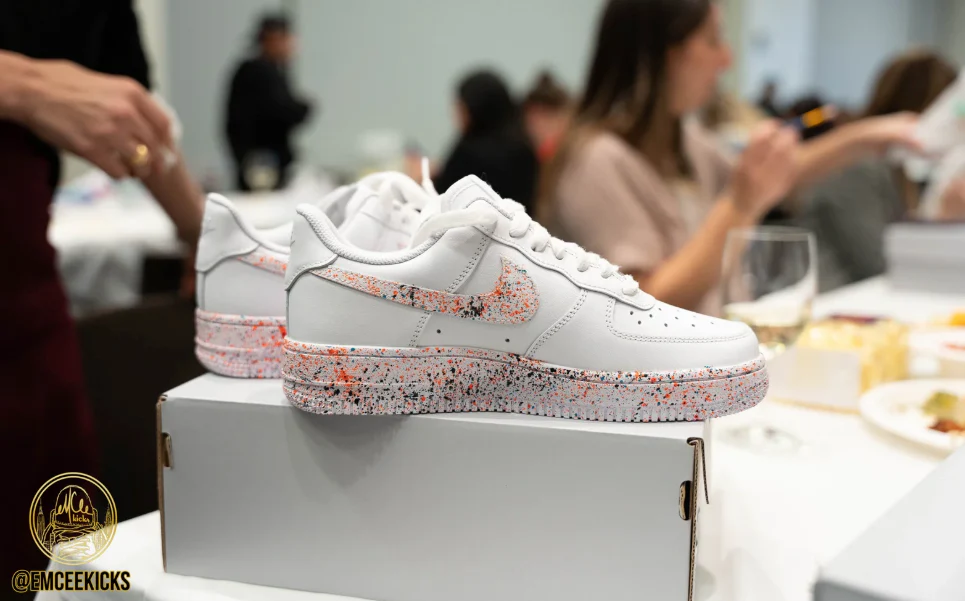
Because the value isn’t just in the product it’s in the process.
That’s a critical insight for brands.
It means that experience plays a direct role in how consumers perceive price. When people are involved, they’re less focused on cost and more focused on outcome. They’re not just buying they’re investing in something they helped create.
KicksRemixed builds on this by turning customization into a guided experience rather than a simple tool. The platform encourages exploration, creativity, and experimentation. And the more time users spend designing, the more invested they become.
That investment changes everything.
Because once someone feels connected to a product on that level, it’s no longer interchangeable.
Decision Fatigue and the Move Toward Intentional Buying
With more choices available than ever, you’d expect people to be buying more freely. But the opposite is happening.
Too many options create friction. They slow decisions down. They make people second-guess. And over time, that leads to fatigue.
Consumers respond to that by becoming more intentional.
Instead of scrolling endlessly, they look for ways to simplify the process. Not by reducing options, but by making those options more relevant.
Customization does exactly that.
It shifts the experience from choosing between multiple products to creating one that fits. Instead of comparing, consumers focus. Instead of reacting, they build.
That changes the entire decision-making process.
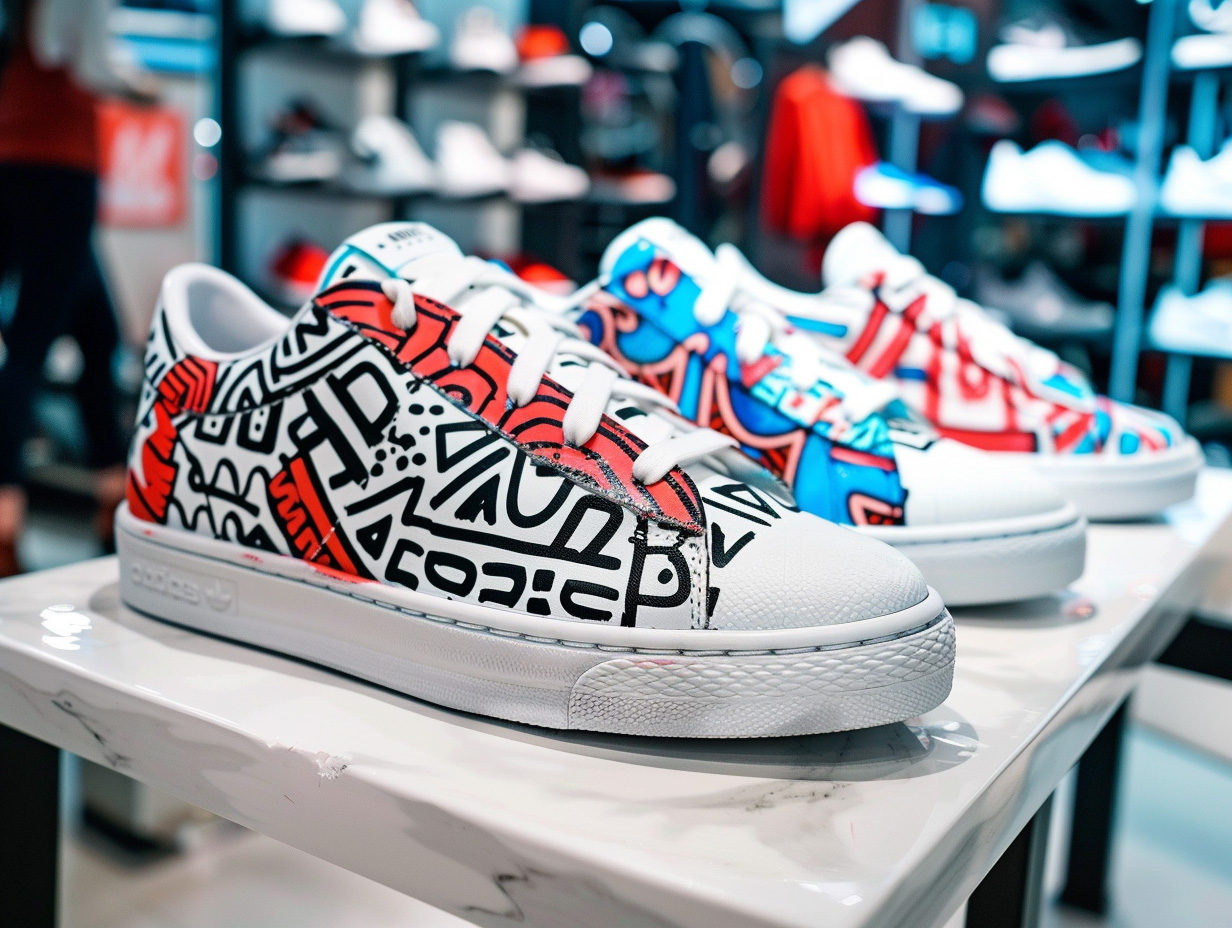
It removes a lot of the uncertainty. Because when someone designs their own sneakers, they’re not wondering if they picked the wrong pair. They created the right one.
That confidence reduces buyer’s remorse. It increases satisfaction. And it builds stronger connections between the consumer and the product.
Over time, that kind of experience reshapes behavior.
People stop chasing trends and start defining their own preferences. They move away from reactive buying and toward intentional creation.
And once that shift happens, it’s hard to reverse.
The Role of Digital Platforms in Shaping This Behavior
None of this happens without the platforms enabling it.
The rise of sneaker customization is closely tied to how easy the process has become. Design tools are smoother, faster, and more intuitive than ever. What used to require skill now feels accessible to anyone.
That accessibility is what drives adoption.
When the barrier to entry is low, more people are willing to try. And once they try, they engage. And once they engage, they invest.
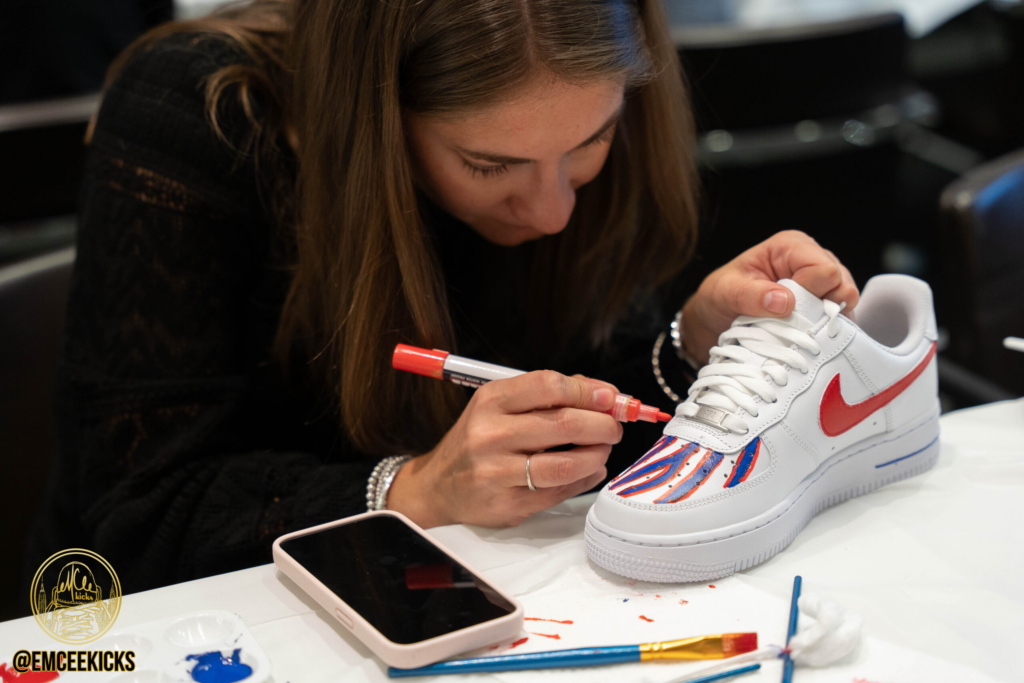
KicksRemixed is a strong example of how platform design influences behavior. By making customization simple and engaging, it encourages users to spend time in the process. And time is a key factor here. The longer someone interacts with a product before buying, the more attached they become.
From an SEO perspective, this also creates a strong advantage.
Searches like “how to design custom sneakers,” “best custom sneaker website,” and “create your own sneakers online” bring in users who are already interested in the process. They’re not passive visitors they’re active participants.
That kind of traffic behaves differently.
It converts more consistently. It engages more deeply. And it aligns perfectly with what customization platforms offer.
What This Tells Us About the Future of Consumer Behavior
When you step back, sneaker customization becomes more than a trend it becomes a signal.
It shows that consumers are moving toward involvement, not just consumption. Toward relevance, not just availability. Toward identity, not just utility.
That shift has implications far beyond sneakers.
It suggests that future products will need to be flexible. Adaptable. Open to input. Brands won’t just deliver finished goods they’ll create frameworks that allow consumers to shape their own experiences.
Those that do will stay aligned with how people think.
Those that don’t will start to feel disconnected.
Because once consumers experience ownership, they don’t want to go back to passive buying.
Customization raises expectations.
And once expectations rise, they don’t drop.
Conclusion: Customization Isn’t a Trend It’s a Reflection
Sneaker customization isn’t just about design.
It’s about behavior.
It reflects a shift in how people approach buying, what they expect from brands, and how they define value. It shows that consumers are no longer satisfied with simply choosing from what’s available. They want to shape what they own.
They want involvement. They want expression. They want products that feel like extensions of themselves.
That’s why custom sneakers continue to gain momentum. Not because they’re new, but because they align with where consumer behavior is heading.
They offer something deeper than convenience or hype. They offer connection.
For brands, the takeaway is clear.
If you want to stay relevant, you need to understand this shift. You need to build for it. And more importantly, you need to embrace it.
Because the future of consumer behavior isn’t about selling more options.
It’s about creating better experiences.
And the brands that understand that won’t just keep up with the market—
They’ll define where it goes next.