Walk through any major city and the signs of imitation are everywhere. A boutique coffee shop echoes the design language of a global chain. A tech startup releases a product suspiciously similar to a competitor’s breakthrough. An emerging painter posts work online that resembles the style of a famous contemporary artist almost brushstroke for brushstroke. In creative and commercial spaces alike, copying is everywhere and yet our feelings about it remain conflicted.
The phrase “imitation is the sincerest form of flattery,” often attributed to Oscar Wilde’s circle of witty Victorian writers, suggests that copying is a kind of tribute. When someone imitates your work, the logic goes, they are acknowledging its brilliance. But for many creators artists, designers, entrepreneurs, and innovators—that sentiment rings hollow. To them, copying can feel less like admiration and more like exploitation.
In the modern creative economy, where ideas travel instantly and competition is fierce, the line between inspiration and imitation has become increasingly blurry. Artists borrow visual styles. Businesses replicate successful service models. Tech companies launch nearly identical features weeks after competitors do. Consumers benefit from the competition, but creators often feel caught in a battle over originality and ownership.

So where exactly is the line? When does copying become a compliment, and when does it cross into rudeness or even theft? The answer is complicated, sitting at the intersection of creativity, commerce, psychology, and law.
This tension has existed for centuries. Painters once copied the masters as part of their training. Fashion houses have long borrowed from one another. Entire industries—from smartphones to streaming services—are built on iterations of earlier ideas. Yet in an era that prizes originality and personal branding more than ever, copying often sparks outrage.
Understanding the role imitation plays in creativity requires looking deeper than slogans. Copying can nurture innovation, accelerate progress, and democratize access to ideas. But it can also undermine artists, dilute originality, and reward opportunists over creators.
The truth is that copying occupies a paradoxical place in human creativity. It is both the foundation of learning and the source of endless controversy.
Why Artists Have Always Learned by Copying
Long before debates about intellectual property filled courtrooms and comment sections, copying was simply how artists learned their craft. In Renaissance workshops across Europe, apprentices spent years reproducing the works of their masters. They copied compositions, brush techniques, and color palettes until their hands could replicate the visual language of their teachers almost instinctively.
This method wasn’t considered lazy or unethical. It was essential training.
Art historian Ernst Gombrich famously noted that artistic traditions evolve through a process of imitation and refinement. Every painter learns from those who came before them, absorbing techniques and transforming them into something new. Even the most revolutionary artists did not create in a vacuum.
Pablo Picasso, for instance, studied classical techniques intensely before developing the abstract language that would define Cubism. The painter Edgar Degas spent countless hours copying works in the Louvre. Copying allowed them to understand structure, composition, and technical mastery.
In this sense, imitation is a kind of apprenticeship in creativity.
The process works because creativity rarely emerges fully formed. Psychologists who study innovation often describe creative breakthroughs as recombinations of existing ideas rather than completely novel inventions. By copying elements of earlier works, artists internalize visual rules and eventually bend them in new directions.
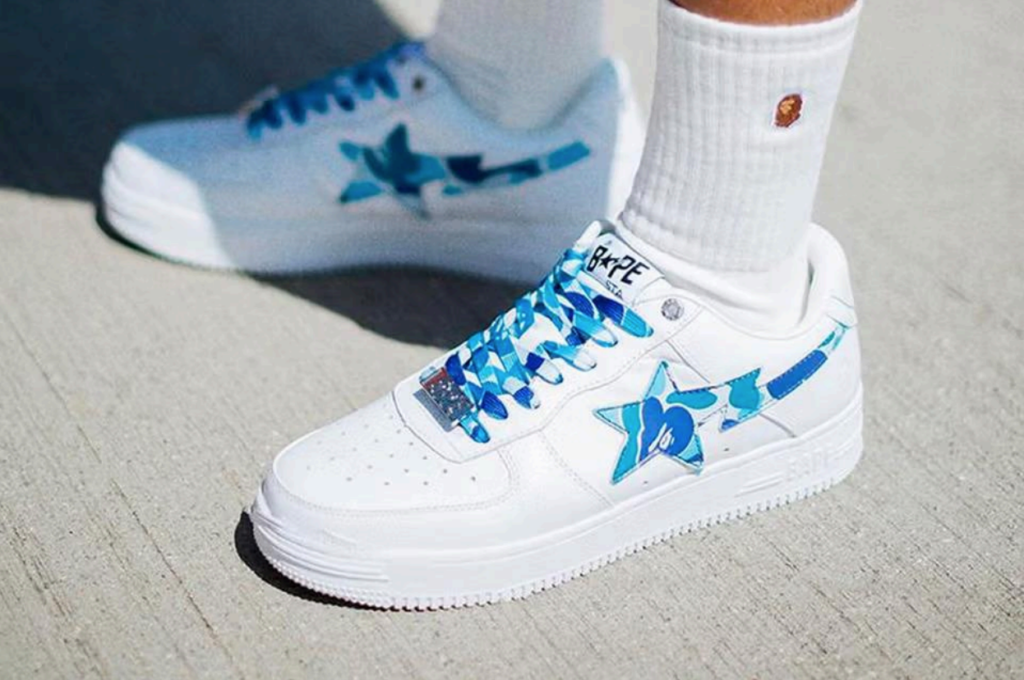
Music provides another clear example. Jazz musicians learn standards by playing them exactly as recorded before improvising. Writers mimic the rhythms and structures of authors they admire. Designers study typography and layout by recreating existing compositions.
Without copying, many creators would struggle to develop the technical fluency needed to innovate.
However, the distinction between learning and exploiting is crucial. Copying in an educational context where the goal is skill development—differs fundamentally from copying someone’s work and presenting it as one’s own creation. The former builds mastery. The latter undermines trust.
This difference often hinges on transformation. When artists absorb influences and evolve them into something distinct, imitation becomes the seed of originality. When they simply reproduce another creator’s work without meaningful change, copying begins to feel less like admiration and more like appropriation.
Modern digital culture complicates this dynamic further. Platforms like Instagram, TikTok, and Pinterest allow visual styles to spread globally within hours. A distinctive aesthetic—whether it’s a photography style, illustration technique, or graphic layout—can be replicated by thousands of creators almost instantly.
For emerging artists trying to build a career, this environment creates anxiety. A unique style may feel less secure when it can be duplicated so easily.
Yet the history of art suggests that influence has always circulated widely. The difference today is speed and visibility. What once unfolded over decades now happens in days.
Ultimately, copying remains an unavoidable part of artistic growth. The challenge lies in transforming influence into innovation rather than stopping at imitation.
The Business World Runs on Copying
If copying is controversial in art, it is practically standard practice in business.
Entire industries evolve through imitation and iteration. When one company proves a successful concept, competitors often rush to replicate it. Restaurants copy menu ideas, tech companies mimic product features, and retailers adopt similar store layouts.
From a market perspective, this behavior is not only normal—it is expected.
Consider the smartphone industry. When Apple introduced the iPhone in 2007, its touchscreen interface, app ecosystem, and sleek design reshaped consumer expectations. Within a few years, nearly every major phone manufacturer released devices that looked and functioned similarly. Android phones adopted touch-based interfaces, app stores, and minimal hardware buttons.
Was this copying? Absolutely.
But it also accelerated innovation. Competition pushed companies to improve cameras, screens, battery life, and software features. Consumers benefited from rapid technological progress and falling prices.
The same pattern appears across industries. Streaming platforms replicate successful features from rivals. Ride-sharing companies mimic pricing models. Even airline loyalty programs evolve by observing competitors.

Economists sometimes describe this phenomenon as “competitive imitation.” Once a successful model emerges, market forces encourage others to adapt it rather than reinvent the wheel.
From a purely economic standpoint, copying can be efficient. It reduces risk and allows companies to build on proven ideas. Instead of spending years developing an entirely new concept, businesses can focus on improving existing ones.
But the ethical tension remains.
Entrepreneurs who pioneer a concept often feel frustrated when larger competitors replicate it quickly. A startup may invest years developing a service, only to see a bigger company launch a nearly identical version with greater marketing power.
This dynamic raises questions about fairness in innovation.
Supporters of open competition argue that ideas should circulate freely. If a concept is valuable, others should be able to improve it. Critics counter that unchecked copying discourages original thinking and rewards companies that simply wait for others to take risks.
The truth likely lies somewhere between these extremes. Most innovations emerge from incremental improvements rather than isolated breakthroughs. Yet protecting creators’ incentives remains essential for continued progress.
Legal frameworks like patents, trademarks, and copyrights attempt to balance these interests. They grant creators temporary protection while eventually allowing ideas to enter the public domain.
Still, legal boundaries often fail to capture the cultural nuances of copying. A product may avoid patent infringement yet still feel ethically questionable if it closely mirrors a competitor’s design.
Business history is filled with such gray areas. Some companies are praised for refining existing ideas, while others are criticized for blatant imitation.
What determines the difference is often not legality but perception.
The Thin Line Between Inspiration and Theft
Perhaps the most difficult question surrounding copying is where exactly inspiration ends and theft begins.
Creative work rarely emerges without influence. Every artist, designer, or entrepreneur absorbs ideas from their environment. Cultural movements, technological trends, and social shifts shape creative expression in ways that make complete originality almost impossible.
Yet society still places enormous value on originality.
This tension creates a complex boundary between influence and imitation. A fashion designer might draw inspiration from vintage silhouettes, reinterpret them with modern materials, and create something recognizably new. Another designer might reproduce the same garment with minimal alteration.
The difference may appear subtle but carries significant ethical implications.
Philosophers of creativity often describe originality as transformation rather than invention. A creator takes existing elements—techniques, concepts, aesthetics—and recombines them into a new configuration. The resulting work may echo earlier influences while still possessing its own identity.
When transformation disappears, copying begins to feel exploitative.
In the digital era, this boundary has become increasingly visible. Social media users frequently call out creators for replicating others’ styles too closely. Illustration communities debate whether certain aesthetics are being appropriated without credit. Designers worry about “style theft” when their distinctive look is adopted by larger brands.
These debates reveal deeper concerns about recognition and fairness. Creative work is not just about producing objects or images; it is about identity and reputation. When someone copies a style without acknowledgment, the original creator may feel erased from the narrative.
Credit can therefore play an important role in maintaining ethical boundaries. A musician who samples another artist’s work often acknowledges the source. A writer referencing earlier ideas cites them. These practices signal respect for the lineage of creativity.
However, credit alone does not always resolve disputes. If a company profits significantly from replicating a smaller creator’s work, acknowledgment may feel insufficient.
The emotional dimension of copying cannot be ignored. For many artists and entrepreneurs, their work represents years of experimentation and risk. Seeing it duplicated by others can feel like a personal betrayal even if no legal violation occurs.
At the same time, creativity thrives on shared influence. Cultural progress depends on ideas flowing freely between creators.
Navigating this paradox requires nuance. Copying can be both a tribute and a transgression, depending on intention, transformation, and context.
When Copying Actually Fuels Innovation
Despite its controversies, imitation often plays a powerful role in innovation.
Many breakthroughs emerge not from entirely new ideas but from reimagining existing ones in different contexts. The history of technology is filled with examples of innovators who borrowed concepts and refined them into transformative products.
The personal computer itself evolved through such iterations. Early computing concepts appeared in academic research and experimental prototypes long before consumer machines became widespread. Companies like Apple and Microsoft refined those ideas into accessible products that reshaped everyday life.
Similarly, social media platforms often build upon one another’s innovations. Features like stories, short-form video, and algorithmic feeds spread rapidly across competing platforms. Each company adapts the concept to its audience, creating new variations.
This cycle of imitation and improvement accelerates progress.
Innovation researchers sometimes refer to this process as “creative recombination.” Instead of inventing entirely new components, innovators assemble existing elements in novel ways. By copying certain aspects and modifying others, they create products that feel both familiar and fresh.
Even cultural movements evolve through imitation. Artistic styles spread when creators experiment with similar techniques and gradually introduce variations. Over time, these small changes accumulate into new movements.

In this sense, copying can function as a catalyst rather than an obstacle.
The key lies in evolution rather than replication. When creators build upon existing ideas and push them forward, imitation becomes part of the creative process. When they merely reproduce what already exists, progress stagnates.
Successful innovators often acknowledge this dynamic openly. Many entrepreneurs emphasize that great ideas are rarely born in isolation. Instead, they emerge from observing patterns, identifying gaps, and adapting proven concepts to new environments.
This perspective reframes copying not as laziness but as a strategic tool.
However, using imitation productively requires creativity. It demands the ability to recognize what works, understand why it works, and imagine how it could work better.
Without that transformative step, copying remains imitation rather than innovation.
The Real Question: Respect or Exploitation?
Ultimately, the debate about copying comes down to a deeper question: does imitation honor the original creator, or does it exploit their work?
The answer depends less on the act itself and more on the surrounding context. Copying with acknowledgment, transformation, and respect can contribute to cultural and technological progress. Copying without those elements risks undermining the very creativity it depends on.
Artists and entrepreneurs alike operate in ecosystems of shared influence. Every creative field builds upon previous generations of ideas. At the same time, individuals deserve recognition for the risks they take in producing something new.
Striking a balance between openness and protection remains one of the central challenges of modern creativity.
Perhaps the old saying needs revision. Imitation may indeed be a form of flattery but only when it acknowledges its source and evolves beyond it.
When copying merely replicates someone else’s work for profit or attention, it stops being flattering and starts feeling rude.
The most meaningful tribute to creativity is not imitation alone, but transformation.