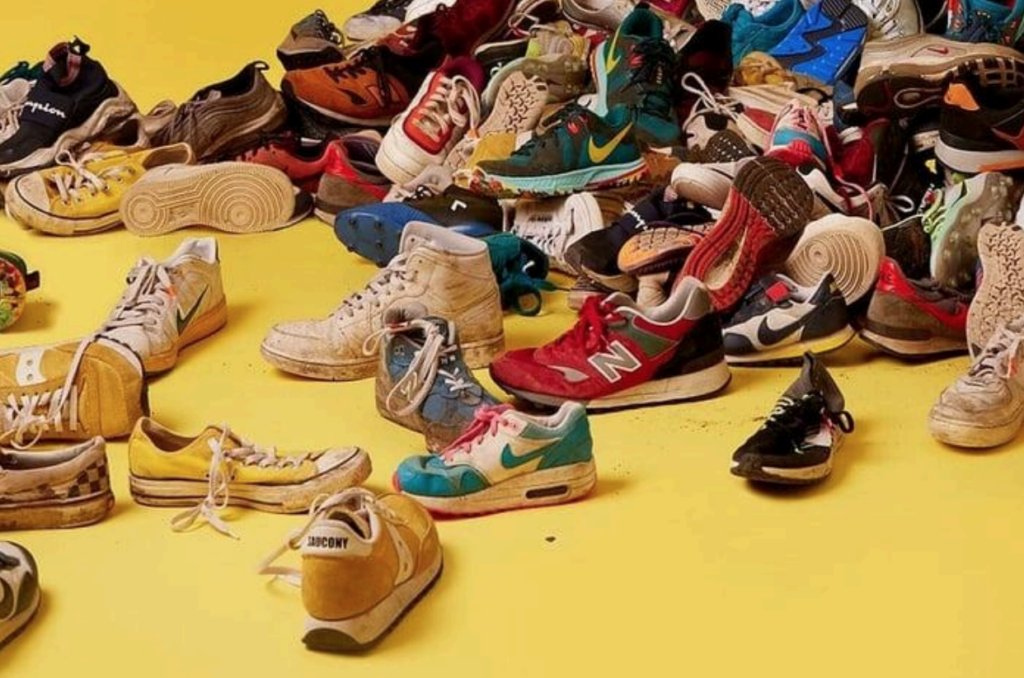
There is something deeply personal about a pair of sneakers. They carry us through early morning runs, late-night walks, first dates, music festivals, school corridors, airports, heartbreaks, and triumphs. Over time, they mold to our stride and absorb the rhythm of our lives. But when the tread wears thin and the cushioning gives out, most sneakers are unceremoniously tossed aside. Globally, billions of pairs end up in landfills each year,
contributing to a mounting environmental crisis driven by synthetic materials, complex construction, and a culture of disposability.
Sneakers are notoriously difficult to recycle. Most are made from a blend of rubber, foam, textiles, adhesives, plastics, and sometimes leather, all fused together in ways that make separation challenging. The result is a product that can take decades, even centuries, to decompose. Yet inside every retired pair lies potential: durable rubber, breathable mesh, sturdy laces, sculptural shapes, and a story worth extending.
Recycling and upcycling sneakers is not just an eco-conscious act; it is a creative rebellion against throwaway culture. It invites us to see worn soles as raw material, not waste. It challenges us to ask how design, craft, and imagination can give new life to something once destined for the dump. From art installations to home décor, from gardening hacks to community projects, the possibilities are surprisingly vast.
This magazine-style guide explores thoughtful, stylish, and practical ideas for recycling or upcycling sneakers. Whether you are a DIY enthusiast, an artist, a sustainability advocate, or simply someone who cannot bear to throw away a beloved pair, you will discover inspiration that turns old shoes into meaningful second acts.
Reinventing Sneakers as Home Décor Statements
One of the most visually striking ways to upcycle sneakers is to transform them into home décor. Sneakers, with their sculptural curves and layered textures, are essentially ready-made design objects. With a little imagination, they can become planters, wall art, or conversation-starting centerpieces.
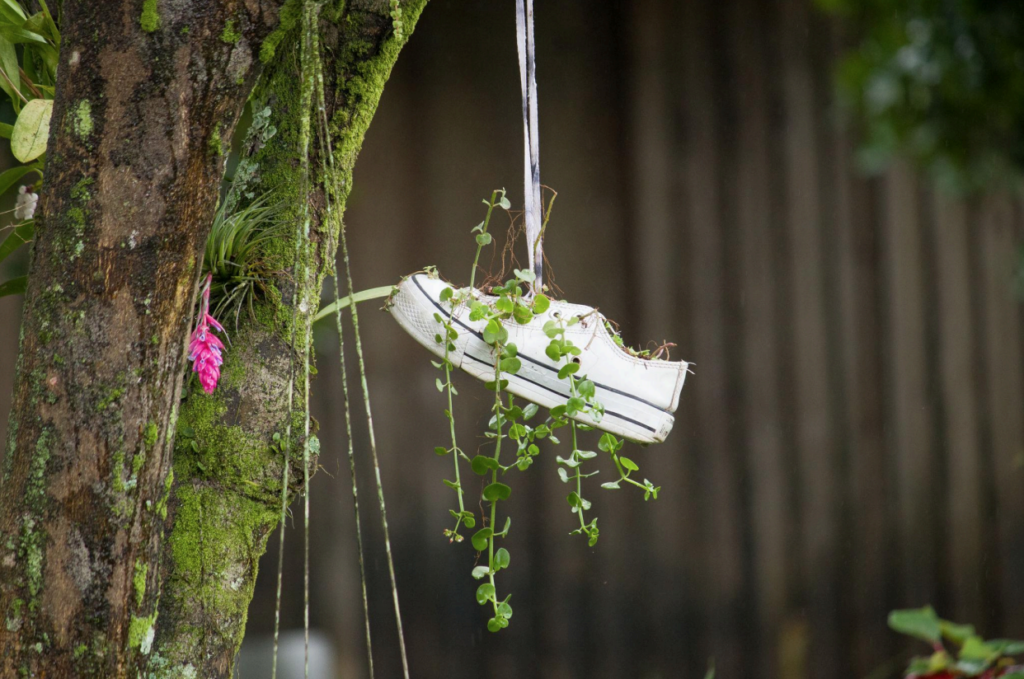
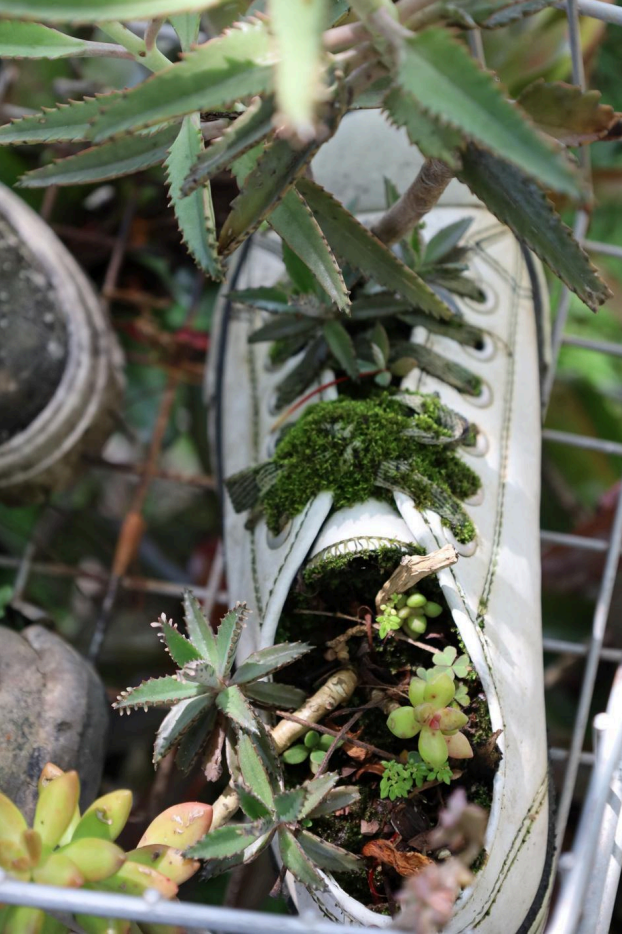
Turning sneakers into planters is perhaps the most accessible starting point. The process is simple: clean the shoe thoroughly, remove the insole, poke small drainage holes in the sole if needed, and fill the interior with lightweight soil. Succulents, trailing ivy, or hardy herbs like mint thrive in these unconventional containers. Hung along a balcony railing or arranged on a garden wall, sneaker planters create a playful juxtaposition between street style and nature. High-top sneakers, in particular, cradle cascading greenery in a way that feels organic and unexpectedly elegant.
For those drawn to interior design, sneakers can also become wall-mounted art. A pair of iconic trainers especially limited editions or bold colorways—can be mounted in shadow boxes. By adding LED strip lighting inside the frame, you create a gallery-like display that celebrates the design heritage of footwear. In urban lofts or teen bedrooms, this kind of display blends fashion culture with artistic flair.
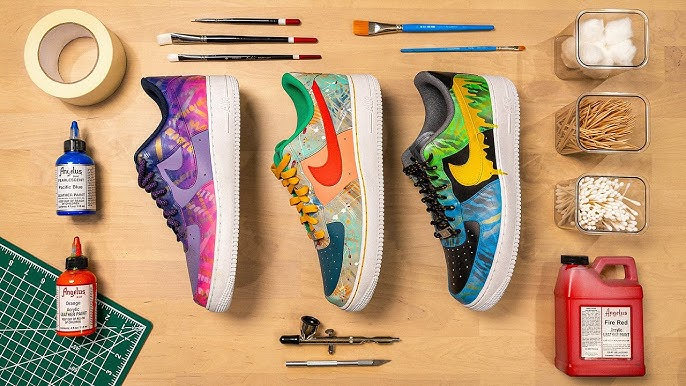
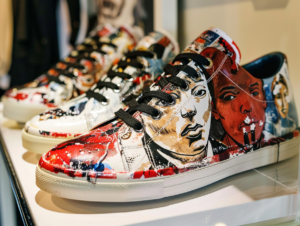
Another approach is to repaint and reimagine the exterior entirely. Acrylic paints adhere well to many sneaker surfaces when properly primed. You might create abstract art, botanical patterns, or monochrome minimalist designs that align with your interior aesthetic. Placed on shelves or used as bookends, these transformed sneakers become sculptural objects with history embedded in every stitch.
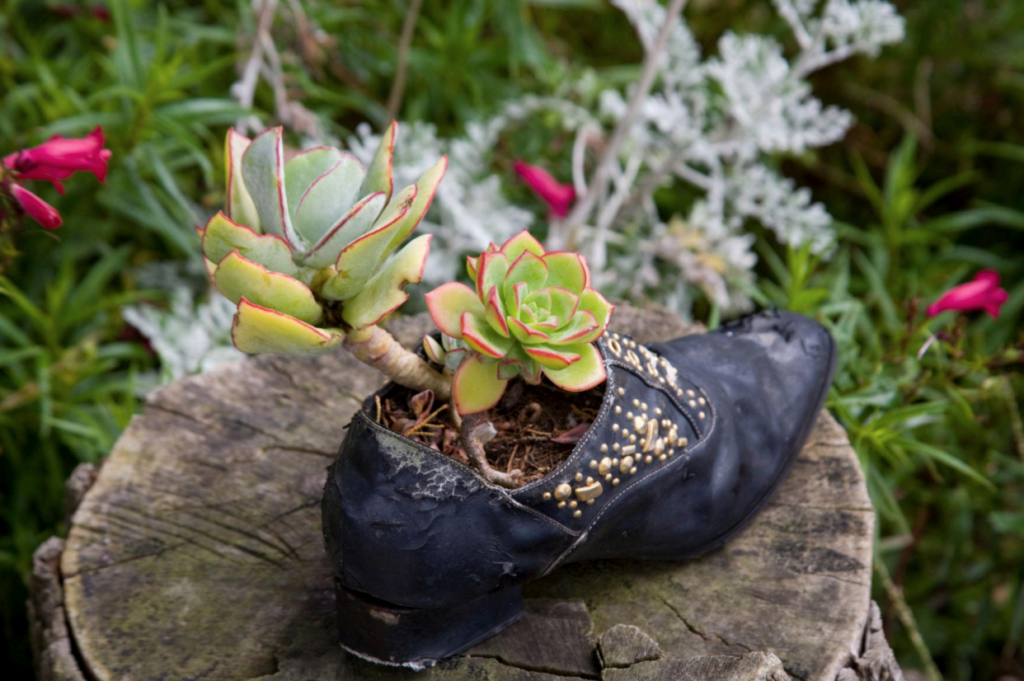
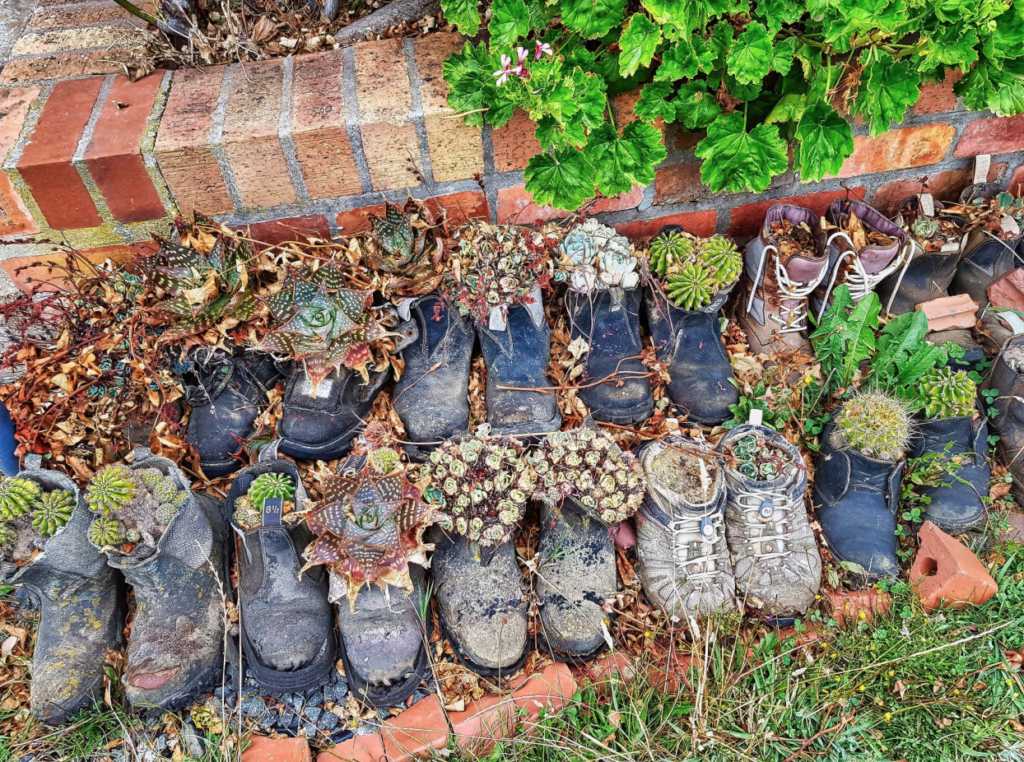
What makes sneaker décor so compelling is its layered symbolism. It represents movement, youth culture, and personal identity. By recontextualizing them in the home, you preserve memories while reducing waste. Instead of hiding worn shoes in a closet or sending them to a landfill, you elevate them into artful reminders of journeys taken and miles walked.
Crafting Functional Everyday Items from Old Soles
Beyond decorative projects, old sneakers can be deconstructed and reborn as practical household items. The rubber soles, often still sturdy even when the upper fabric has deteriorated, are particularly valuable.
With a sharp utility knife and patience, soles can be cut into small squares or circles to create durable coasters. The textured tread adds grip, preventing glasses from sliding, and the material resists water damage. Sanded edges give a cleaner finish, while a light coat of sealant enhances longevity. These coasters carry a subtle industrial aesthetic, blending sustainability with modern design.
The midsole foam, typically made of EVA or similar materials, can be repurposed as cushioning inserts for kneeling pads in the garden or as protective padding for fragile items in storage. When layered and glued together, they can even form the base of a compact doormat, particularly effective for indoor use.
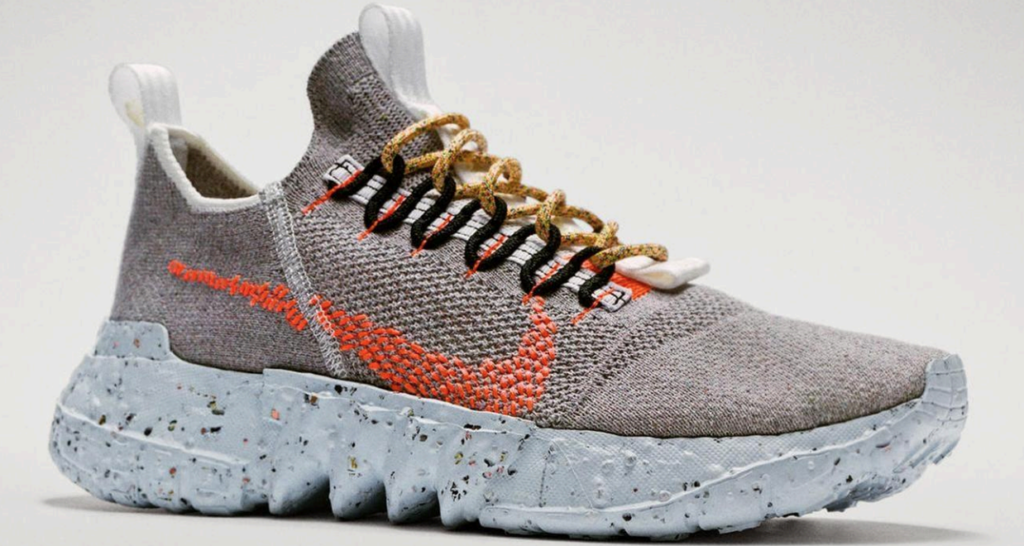
Sneaker laces, often overlooked, are surprisingly versatile. Braided together, they become bracelets, keychains, or even decorative handles for tote bags. If you have multiple pairs in different colors, you can weave patterns that reflect the original shoes’ personality. Laces can also replace worn drawstrings in hoodies or gym bags, extending the life of other garments in your wardrobe.
For the more ambitious DIYer, pieces of rubber can be fashioned into phone stands or cable organizers. The flexibility and durability of sneaker components lend themselves to everyday problem-solving. Rather than buying new plastic accessories, you can craft custom solutions from materials already at hand.
There is a quiet satisfaction in using something daily that once pounded pavement. Each time you rest a mug on a sole-turned-coaster or grab your keys from a lace-wrapped fob, you are reminded that value does not disappear when an object’s original purpose ends. It simply shifts.
Supporting Community Recycling and Brand Take-Back Programs
While DIY projects are rewarding, not everyone has the time or tools to upcycle sneakers at home. Fortunately, a growing number of community initiatives and brand-led programs aim to divert footwear from landfills.
Some major athletic brands have introduced take-back schemes that collect worn sneakers and break them down into raw materials. These materials are then used in products such as playground surfaces, athletic tracks, or new footwear components. Rubber outsoles, foam midsoles, and textile uppers are separated and ground into granules for reuse. Participating in such programs allows consumers to close the loop responsibly.
Local charities and shelters also accept gently used sneakers. For individuals facing economic hardship, a sturdy pair of shoes can make a meaningful difference. Before donating, ensure the sneakers are clean and in wearable condition. If they are too damaged for donation, community recycling centers may have textile or rubber recovery streams.
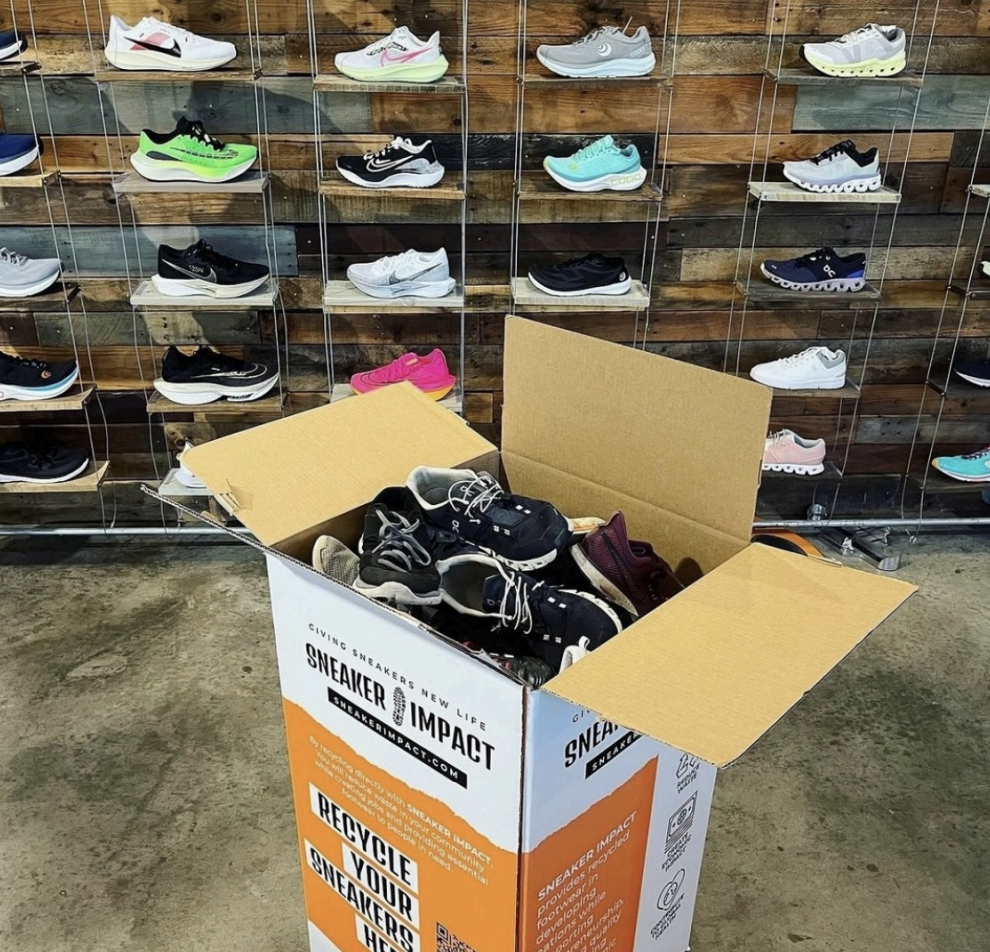
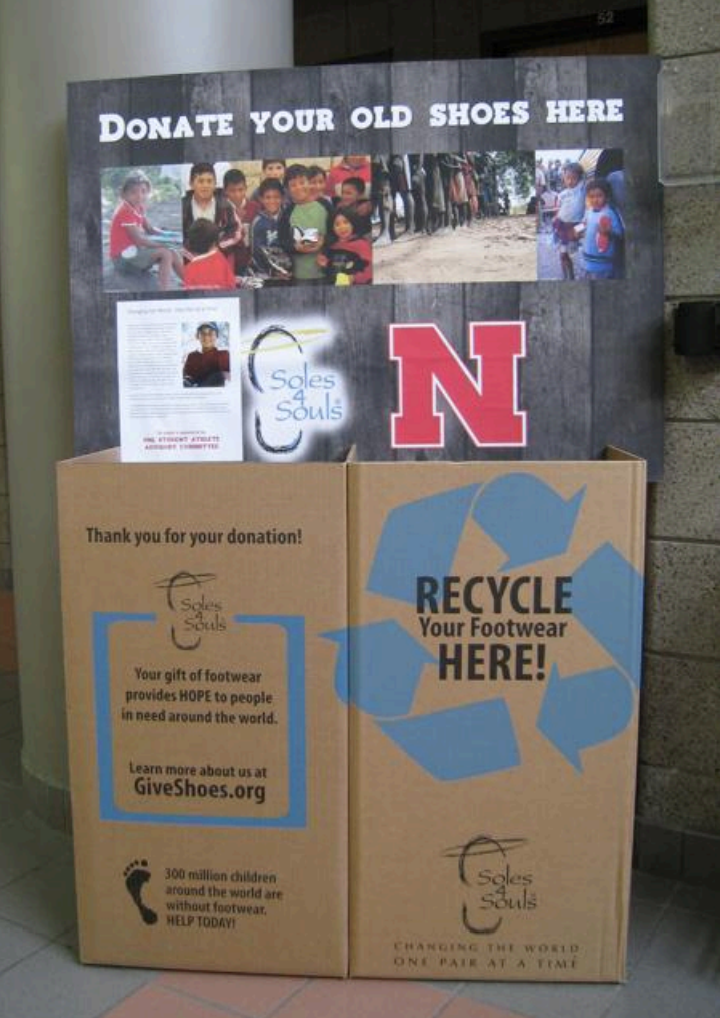
In some cities, artists and designers collaborate with waste management organizations to create installations or products from collected footwear. These initiatives not only reduce waste but also raise awareness about the environmental cost of fast fashion and mass-produced athletic wear.
Choosing to recycle through formal channels complements at-home creativity. It acknowledges that sustainability is both a personal and collective effort. Every pair diverted from landfill reduces environmental strain and signals demand for more responsible production systems.
Transforming Sneakers into Wearable Art and Fashion
For fashion enthusiasts, upcycling sneakers can become a bold style statement. Instead of discarding worn pairs, consider disassembling them to create entirely new wearable pieces.
Sections of leather or durable fabric from sneaker uppers can be stitched into patchwork panels for jackets or bags. The contrast between mesh, suede, and synthetic overlays creates rich texture. A crossbody bag constructed from panels of old sneakers becomes a conversation piece that blends streetwear heritage with sustainable design.
Sneaker tongues, often padded and emblazoned with logos, can be repurposed into wallet fronts or pouch flaps. When paired with sturdy lining fabric, they form compact accessories with distinct character. Even small fragments of brightly colored rubber can be transformed into earrings or pendants, offering subtle nods to sneaker culture.

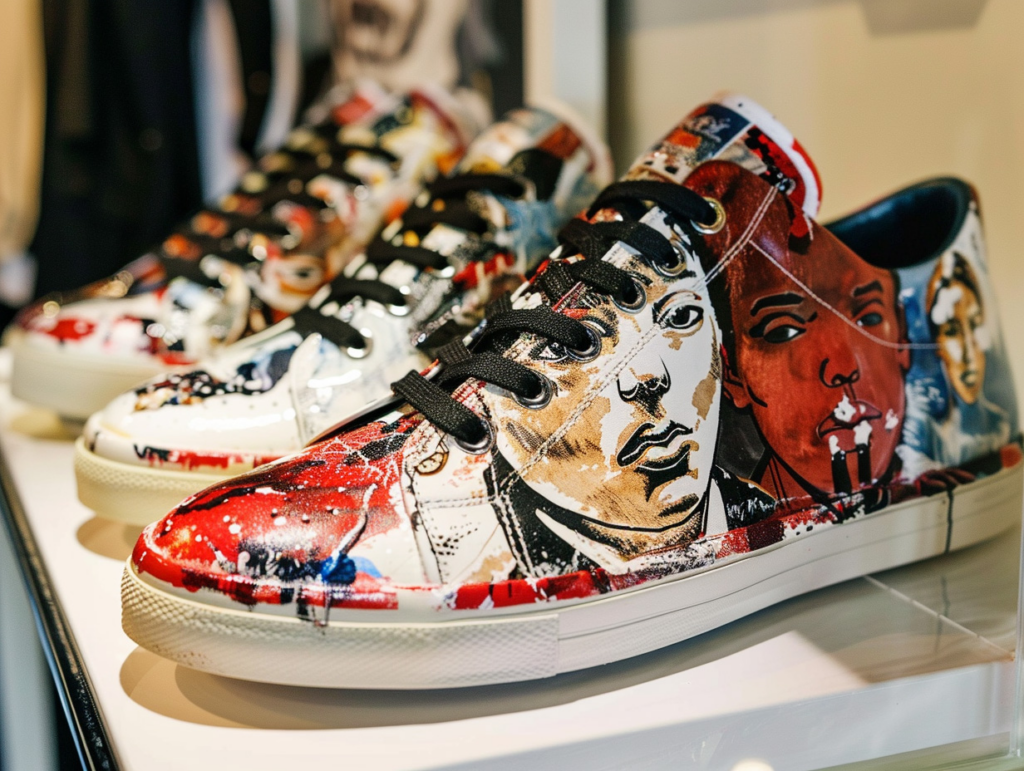
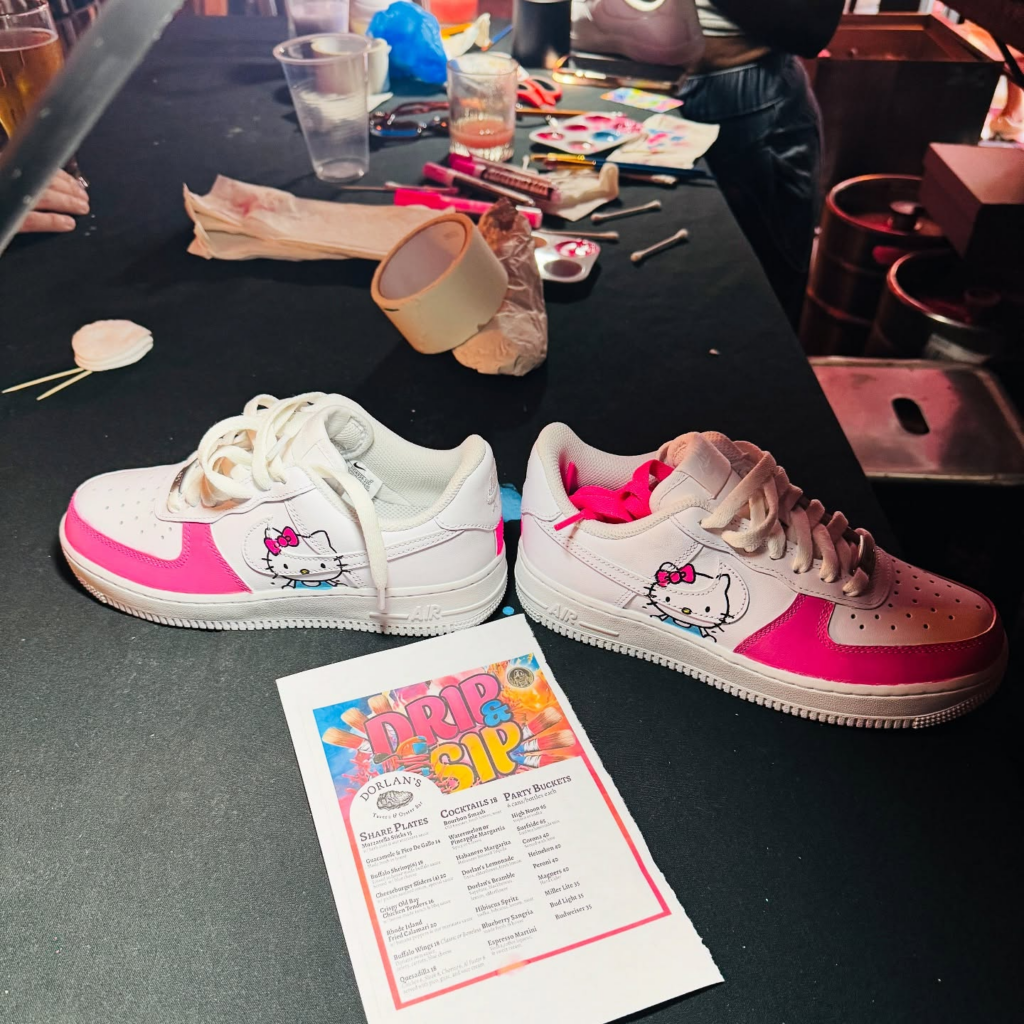
Artists who specialize in customization sometimes rework old sneakers entirely, adding embroidery, hand-painted graphics, or fabric appliqué. By covering scuffed areas with intentional design, they extend the life of the shoe while elevating it into a one-of-a-kind piece. This approach challenges the idea that wear equals obsolescence. Instead, wear becomes a canvas.
Upcycling sneakers into fashion items also invites reflection on consumer habits. When you invest hours into transforming a pair, you develop a deeper appreciation for craftsmanship and material. That awareness often influences future purchasing decisions, nudging you toward quality over quantity.
Creating Playful Projects for Kids and Schools
Old sneakers can become powerful teaching tools in classrooms and at home. Craft projects centered around worn footwear spark conversations about sustainability while encouraging hands-on creativity.
Children can transform sneakers into imaginative creatures by adding googly eyes, felt tongues, and paper wings. The hollow interior becomes a stage for storytelling, turning a discarded object into a puppet or character. This playful reinvention helps young minds understand that waste is not inevitable; it is a design challenge waiting to be solved.
Another engaging project involves converting sneakers into bird feeders. By filling the cavity with birdseed and suspending the shoe from a tree branch, kids can observe local wildlife up close. The activity combines environmental education with ecological awareness, highlighting cycles of reuse in nature.
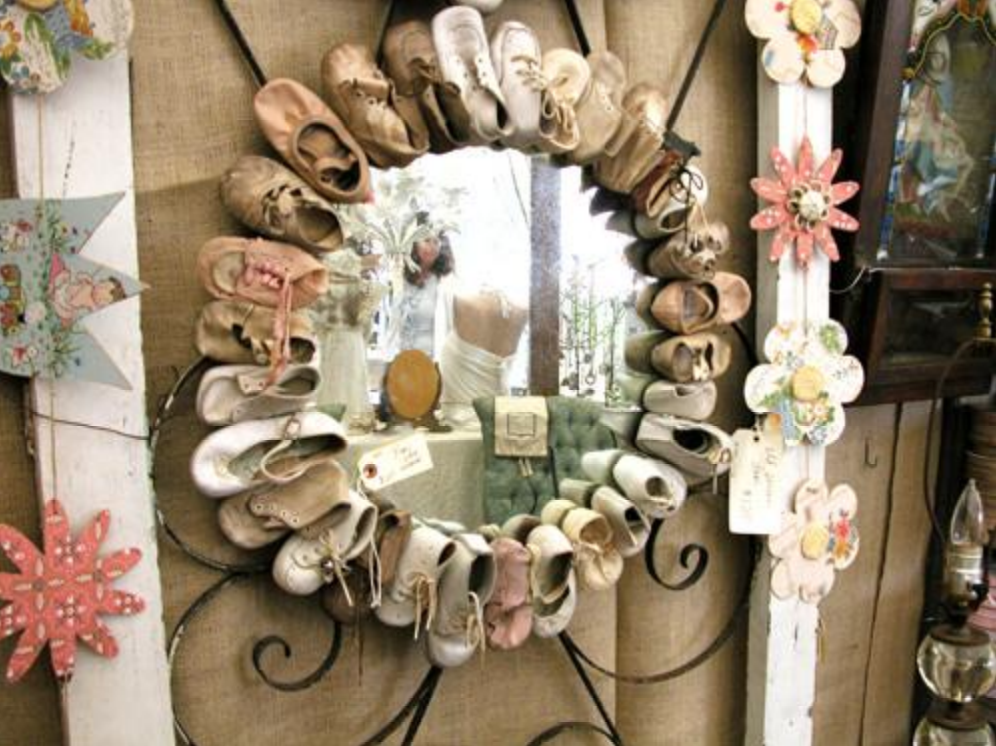
Schools can host sneaker collection drives followed by art installations. Students might stack and paint old shoes into sculptural towers that symbolize consumer excess or environmental hope. Such collaborative projects foster dialogue about responsible consumption and community action.
Introducing children to upcycling early shapes lifelong habits. When they see adults treating old sneakers as resources rather than rubbish, they internalize a mindset of stewardship.
Giving Sneakers a Second Life Through Repair and Reinvention
Before jumping to radical transformations, consider whether your sneakers simply need repair. Replacing insoles, patching small tears, or regluing soles can extend usability significantly. Cobblers, once a staple of every neighborhood, are experiencing renewed interest as consumers seek sustainable alternatives to replacement.
If the shoes are beyond comfortable wear but structurally intact, consider converting them into specialized footwear. Old running shoes, for instance, can become gardening or painting shoes. By designating them for messy tasks, you extract additional value without purchasing new gear.
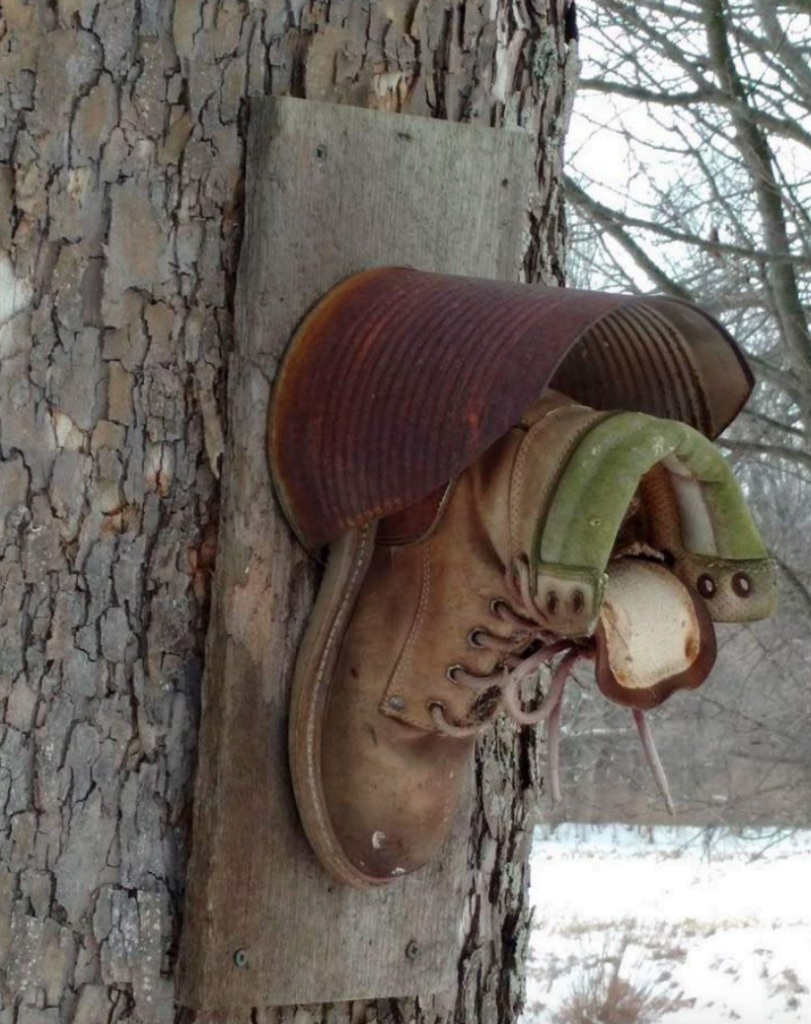
Some people repurpose sneakers as protective covers for delicate equipment. The padded interior can shield camera lenses or small electronics during transport. By trimming and adapting the upper, you create a custom-fit protective sleeve.
Reinvention does not always require dramatic alteration. Sometimes, it is about reframing purpose. A sneaker that no longer supports a marathon might still support a morning spent planting tomatoes or repainting a fence.
Conclusion: Walking Lighter on the Planet
The humble sneaker, often treated as disposable fashion, holds surprising potential for renewal. From planters and wall art to coasters, bags, and children’s crafts, the journey from worn-out footwear to imaginative creation is rich with possibility. Each idea explored here underscores a simple truth: waste is often a failure of imagination.
When you recycle or upcycle sneakers, you participate in a broader cultural shift. You challenge the linear path of buy, use, discard. You honor the materials and labor embedded in every pair. You reduce environmental impact while cultivating creativity. And perhaps most importantly, you reconnect with the stories your shoes carry.
In a world grappling with climate change, resource depletion, and overflowing landfills, small acts matter. Transforming one pair of sneakers will not solve global waste, but it sets a precedent. It signals that consumers value durability, ingenuity, and responsibility.
Next time you look down at a scuffed pair by the door, pause before throwing them away. Ask what else they might become. A planter nurturing new growth. A coaster protecting your table. A piece of wearable art sparking conversation. A classroom project inspiring young minds.
From sole to soul, the transformation is more than material. It is a shift in perspective. And that shift, multiplied across households and communities, has the power to change not just our closets, but our collective footprint on the planet.