The Top 5 Most Controversial Sneakers of All Time
Sneakers have always been more than footwear. At their best, they represent innovation,
identity, and cultural momentum. At their most explosive, they ignite backlash, lawsuits, moral
debates, and global conversation. Some releases transcend hype cycles entirely and become
cultural flashpoints that redefine what sneakers can symbolize.
From basketball courts and fashion runways to courtrooms and social media feeds, these are
the sneakers that sparked outrage, shifted narratives, and permanently altered sneaker culture.
Each one left a mark not just on the industry, but on how we talk about design, power,
expression, and responsibility.
This is a definitive look at the five most controversial sneakers of all time, and why their stories
still matter today.

Nike Air Jordan 1 “Banned” (1985)
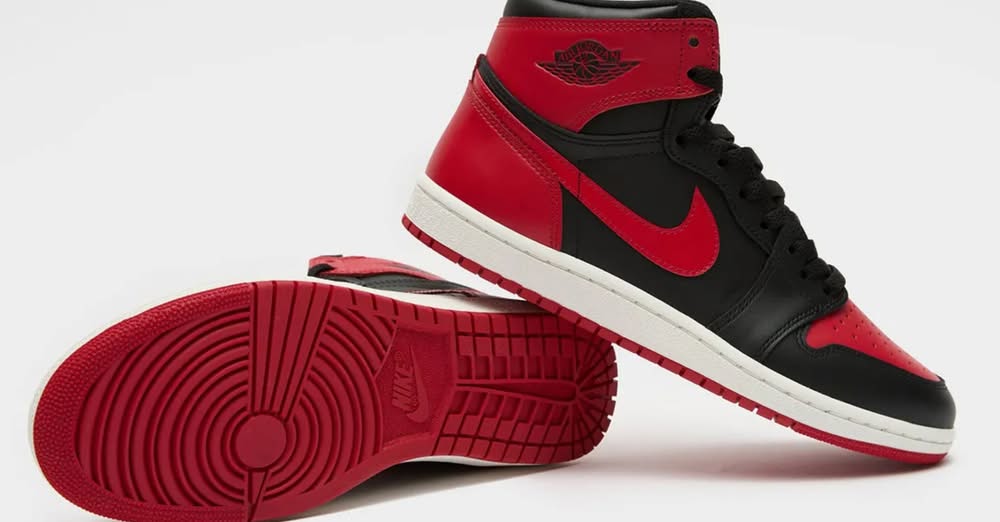
No sneaker controversy has ever had a longer shadow than the Air Jordan 1. When Nike
released Michael Jordan’s first signature shoe in 1985, it wasn’t just another basketball sneaker.
It was a challenge to conformity at a time when the NBA tightly controlled player appearance
and branding.
The black and red colorway worn by Jordan quickly became the subject of league scrutiny.
While the details of the so-called ban have been debated over the years, what matters more is
how Nike framed the moment. The brand positioned the Air Jordan 1 as forbidden, rebellious,
and disruptive, turning tension with the league into one of the most powerful narratives in sports
marketing history.
That narrative changed everything. The Air Jordan 1 didn’t simply sell well. It redefined the
relationship between athletes and brands, elevated sneakers into lifestyle icons, and laid the
foundation for modern sneaker culture. Today, the silhouette remains one of the most worn,
collected, and referenced sneakers in the world, equally at home on city streets and fashion
runways.
The long-term impact of the Air Jordan 1 goes beyond design. It proved that controversy could
fuel desire, that storytelling could elevate product, and that sneakers could exist as cultural
statements. The ripple effects of that moment are still visible in nearly every major release
today.
For a broader look at how moments like this ripple across digital culture and reshape public
conversation, the analysis in Sneakers That Broke the Internet: Viral Designs and Why provides
valuable context on how shock, timing, and narrative intersect in sneaker history.
Nike x MSCHF “Satan Shoes” (2021)
Decades after the Air Jordan 1 reframed rebellion, a very different kind of controversy erupted
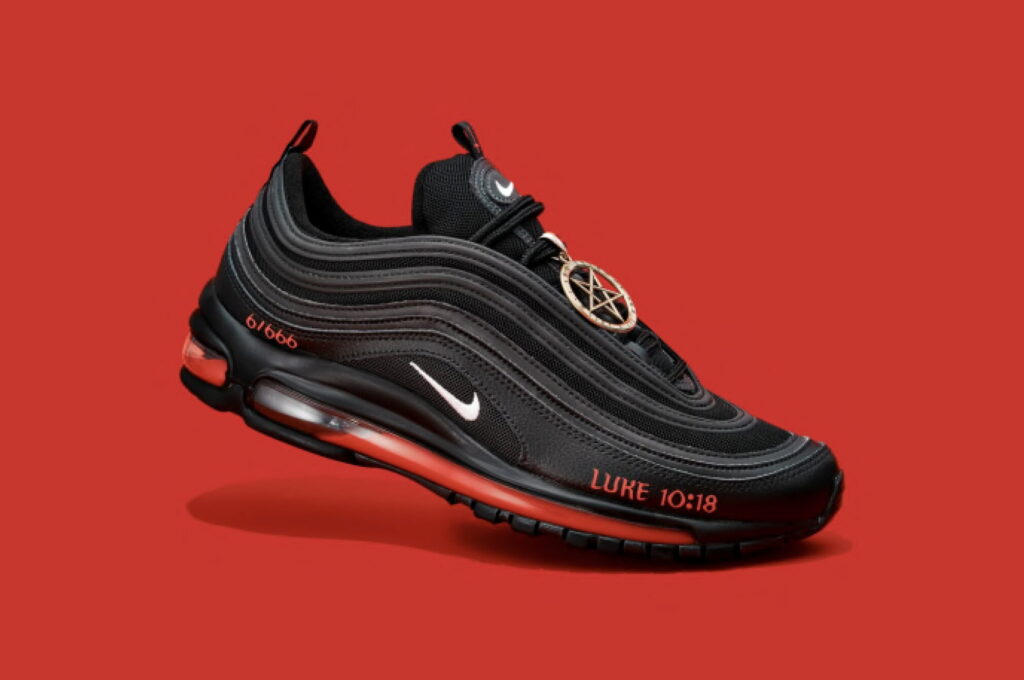
with the release of the Nike x MSCHF “Satan Shoes.” Built on the Air Max 97 silhouette, the
custom sneaker was created by Brooklyn-based art collective MSCHF in collaboration with
musician Lil Nas X.
The design leaned fully into provocation. Pentagrams, biblical references, limited production
numbers tied to satanic symbolism, and the claim that each sole contained a drop of human
blood ensured immediate global attention. The shoes sold out instantly, but the reaction was far
from celebratory.
Religious groups condemned the release, social media exploded with debate, and Nike quickly
moved to distance itself from the project. Legal action followed, with Nike filing a lawsuit
asserting trademark infringement and false association. The dispute ended in a settlement that
halted distribution and offered refunds to buyers.
What made the Satan Shoes uniquely powerful was not just their imagery, but how quickly they
became a cultural battleground. They raised questions about artistic expression, brand
responsibility, and the limits of customization in a world where logos carry immense weight. The
controversy also highlighted how rapidly sneaker culture now collides with mainstream media,
politics, and ideology.
This moment echoed a recurring pattern in sneaker history: when design intersects with belief
systems, the reaction is rarely neutral. As explored in features on platforms like Sneaker
Freaker, the Satan Shoes joined a lineage of releases that forced the industry to confront its
own boundaries.
Nike Air Bakin (1997)
Not all controversies are intentional. Sometimes they emerge from oversight, misinterpretation,
or a lack of cultural awareness. The Nike Air Bakin is a powerful example of how design details
can take on meanings far beyond their original intent.
Released in the late 1990s, the Air Bakin featured aggressive typography on the heel that some
observers believed resembled Arabic script spelling the word “Allah.” The resemblance sparked
immediate backlash, particularly within Muslim communities, who viewed the placement of the
perceived text on footwear as deeply disrespectful.
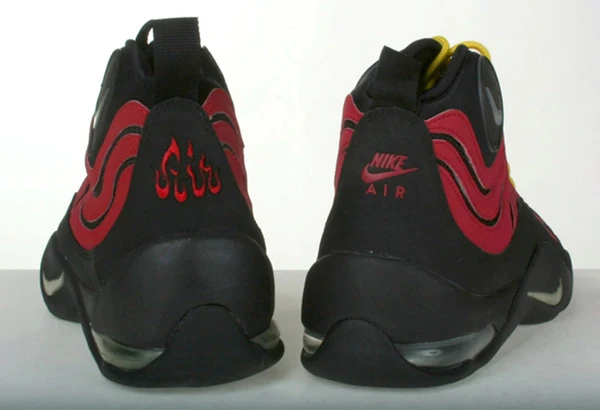


Nike responded by pulling the shoe from the market and offering patches to cover the branding,
but the damage was already done. Tens of thousands of pairs were removed from circulation,
and the incident became a turning point in how global brands approached cultural sensitivity.
The Air Bakin controversy remains relevant because it illustrates how sneakers operate in a
global context. A design choice that appears harmless in one market can carry heavy
significance in another. Since then, major brands have invested more heavily in cultural
consultants, regional feedback, and internal review processes to avoid similar missteps.
In many ways, the Air Bakin helped shape the modern era of sneaker design, where visual
language is scrutinized as closely as performance features. It stands as a reminder that intent
does not always outweigh impact.
adidas x Jeremy Scott “Shackled” Roundhouse Mids
(2012)
Jeremy Scott built his reputation on boldness, irreverence, and pushing fashion into
uncomfortable territory. His collaboration with adidas produced some of the most playful and
polarizing sneakers of the 2010s, but none drew more criticism than the “Shackled”
Roundhouse Mids.
The sneaker featured bright yellow plastic shackles attached to the ankle, a design Scott
described as conceptual and exaggerated. The public response was immediate and severe.
Many critics argued that the imagery evoked the history of slavery and racial oppression,
making the design deeply offensive regardless of artistic intent.
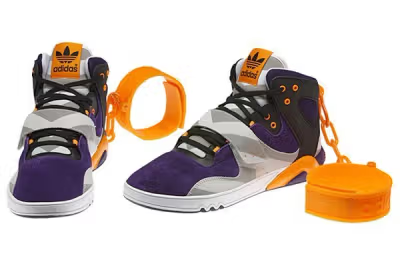
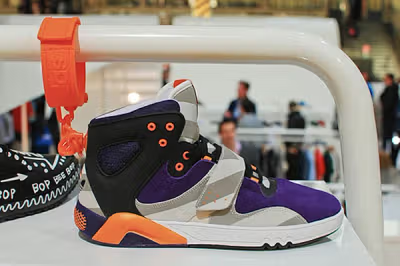
Civil rights leaders and cultural commentators spoke out against the shoe, and adidas ultimately
decided not to release it widely. The controversy sparked a broader discussion about
accountability in fashion and whether shock value can ever justify the use of symbols tied to
historical trauma.
Unlike some sneaker controversies that fade with time, the Shackled Roundhouse Mids remain
a case study in how symbolism can overshadow creativity. They demonstrated that provocation
without context can quickly alienate audiences and damage brand credibility.
As sneaker culture continues to intersect with social issues, this release serves as a cautionary
tale about the responsibility that comes with global influence
Ari Menthol 10 (2006)
The Ari Menthol 10 occupies a unique place in sneaker history because it was never intended to
be a mainstream product. Created by designer Ari Saal Forman, the shoe was a conceptual
reinterpretation of the Air Force 1 that incorporated visual elements inspired by Newport
menthol cigarette packaging.
Produced in extremely limited numbers and packaged like a carton of cigarettes, the sneaker
blurred the line between fashion, commentary, and provocation. It was equal parts design
experiment and cultural critique, referencing marketing, addiction, and branding power.

The response from corporations was swift. Nike issued a cease-and-desist order, and the
tobacco company behind Newport branding threatened legal action. The shoes were ordered
destroyed, instantly elevating them to near-mythical status among collectors and sneaker
historians.
What makes the Ari Menthol 10 significant is how it challenged corporate authority from the
margins of sneaker culture. It wasn’t backed by a major athlete or fashion house. It existed as
an idea first and a product second. That alone made it dangerous in a space dominated by
trademarks and billion-dollar branding.
Today, the few surviving pairs are viewed less as sneakers and more as artifacts of a moment
when sneaker culture briefly collided with underground art and legal boundaries.
Why Controversial Sneakers Endure
The sneakers that spark the strongest reactions tend to last the longest in public memory.
Controversy forces conversation, and conversation keeps stories alive. Whether rooted in
sports, religion, race, art, or law, these releases reveal how deeply sneakers are woven into
society.
They also demonstrate how the industry has evolved. Early controversies centered on league
rules and performance. Later ones addressed cultural awareness, symbolism, and intellectual
property. More recent moments reflect the speed of the internet, where a single release can
dominate global discourse overnight.
Many of the dynamics explored here connect directly to the way viral sneaker moments unfold
online today. As detailed in Sneakers That Broke the Internet: Viral Designs and Why, the
combination of limited supply, emotional reaction, and shareability continues to define modern
sneaker impact
The Lasting Impact on Sneaker Culture
These five sneakers did not succeed or fail by traditional measures alone. Some sold out
instantly. Others never reached shelves. Yet all of them shaped how brands, designers, and
consumers think about footwear.
They influenced how stories are told, how risks are calculated, and how responsibility is
weighed against creativity. They also reinforced a truth that sneaker culture has known for
decades: the most powerful shoes are rarely neutral.
As sneaker design continues to evolve, new controversies will inevitably emerge. When they do,
they will be measured against moments like these, moments that proved a sneaker can be more
than leather and rubber. It can be a statement, a mistake, a rebellion, or a mirror reflecting the
culture that created it.
For ongoing deep dives into sneaker history, design, and cultural moments that move the
industry forward, KicksRemixed.com remains a destination for stories that look beyond hype
and into meaning.