Sneaker culture has evolved far beyond lining up for releases or keeping boxes pristine. Today, personalization is just as important as brand prestige, with custom sneakers becoming wearable art and personal statements. Whether you are a lifelong sneaker enthusiast, a casual wearer wanting something unique, or a full-on custom sneaker fan exploring creative expression, the question always arises: what is the best way to customize sneakers? Paint, stickers, and transfers each offer distinct advantages, limitations, and creative possibilities. Understanding the differences can save you time, money, and disappointment, while helping you achieve a result that truly reflects your style.


As sneaker customization continues to explode across social media and independent artist platforms, sites like kicksremixed.com have become central hubs for inspiration, education, and high-quality custom work. At the same time, professional studios such as emceekicks.com showcase what is possible when craftsmanship, patience, and artistic vision come together. This article explores each customization method in depth, explains how they perform over time, and highlights why hand-painted customs by elite artists still reign supreme.
Custom Sneaker Paint: The Gold Standard of Personalization
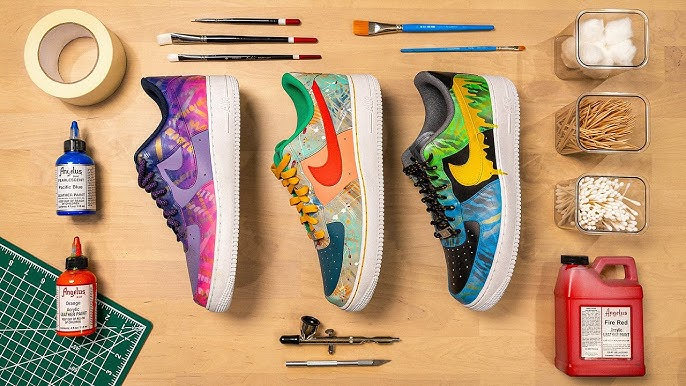
Paint remains the most respected and versatile method of sneaker customization, particularly when done by hand. High-quality sneaker paint is designed to bond with leather, synthetic leather, canvas, and even some knit materials when applied correctly. Unlike generic acrylic paint, sneaker-specific formulas flex with the shoe, reducing cracking and preserving detail over time. This makes painted sneakers not only visually striking but also durable enough for regular wear.
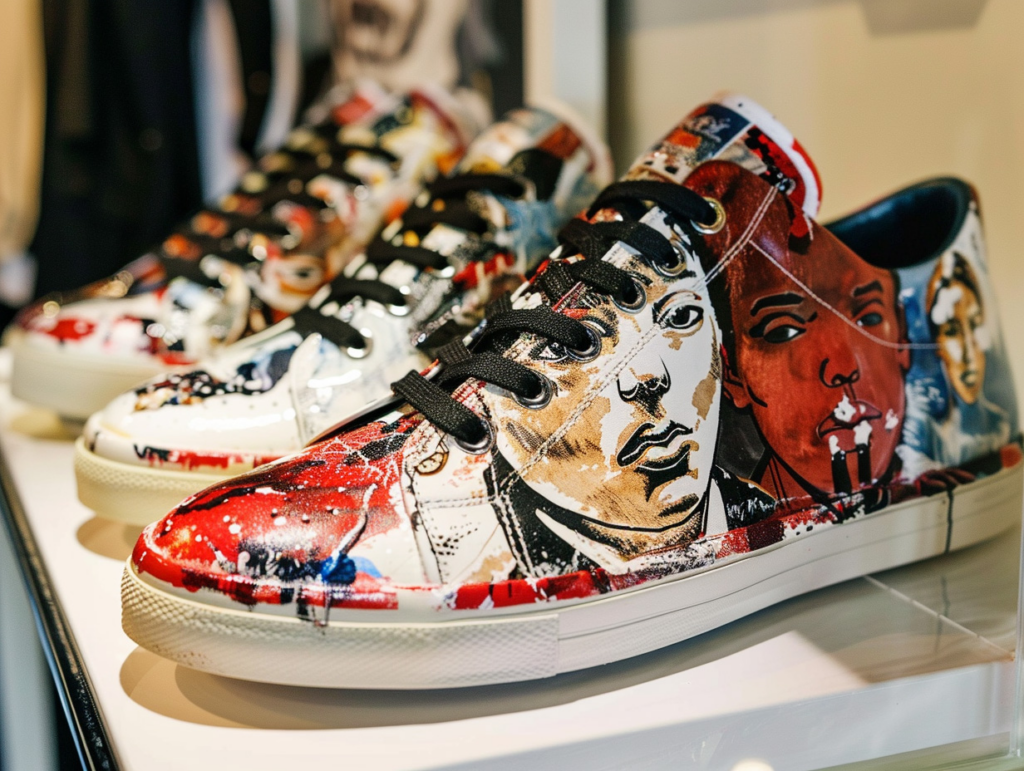
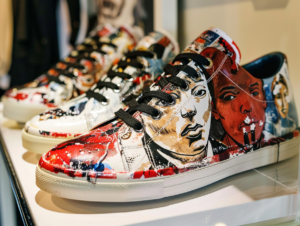
Hand-painted sneakers allow for limitless creative freedom. Artists can blend colors, add shading, create hyper-realistic textures, and incorporate intricate line work that simply cannot be replicated with stickers or transfers. From subtle accents to full storytelling murals across panels, paint enables a level of depth that transforms sneakers into one-of-a-kind art pieces. For collectors and enthusiasts, this uniqueness adds emotional and cultural value that factory designs cannot replicate.

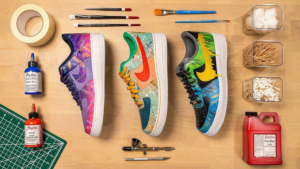
However, paint customization demands patience, skill, and preparation. Shoes must be properly cleaned, deglazed, and prepped to ensure adhesion. Each layer of paint must dry before the next is applied, and the final piece is sealed with a protective finisher to guard against scuffs and moisture. When done correctly, the result can last for years, aging gracefully alongside the sneaker itself.

This is where professional artists truly shine. Creators like Marissa Confair of eMCee Kicks exemplify what handpainted sneaker art can achieve. Known for her meticulous detail work and painterly approach, Marissa’s customs demonstrate how paint elevates sneakers into wearable masterpieces. Studios such as emceekicks.com have built their reputations on this level of craftsmanship, setting benchmarks that DIY methods rarely match.
For sneaker fans seeking long-term wearability, visual impact, and authenticity, paint remains the top-tier option. It requires more investment upfront, but the payoff in quality and individuality is unmatched.
Sneaker Stickers: Fast Customization With Limited Longevity
Sneaker stickers, often made from vinyl, appeal to those who want instant customization without permanent commitment. They are easy to apply, widely available, and relatively inexpensive. For casual wearers or beginners, stickers offer a low-risk entry point into sneaker customization, allowing experimentation with logos, graphics, and color accents.
The appeal of stickers lies in convenience. There is no drying time, no special tools, and no advanced skill required. A clean surface and steady hands are usually enough to transform a plain sneaker into something more expressive. Stickers are also removable, making them ideal for people who like to change designs frequently or want customization for specific events or photoshoots.

Despite these advantages, stickers have clear limitations. They sit on the surface rather than bonding with the material, making them vulnerable to peeling, bubbling, and edge wear. Exposure to water, friction, and heat can shorten their lifespan dramatically. On curved or heavily creased areas of sneakers, stickers often struggle to adhere evenly, leading to visible imperfections over time.
Aesthetically, stickers can look flat compared to painted designs. While high-quality vinyl can be visually appealing from a distance, it lacks the depth, texture, and organic feel of hand-applied paint. For sneaker collectors who value artistry and detail, stickers often feel more like accessories than true customization.
Stickers work best for temporary expression, promotional designs, or playful experimentation. They are not ideal for those seeking durability or a premium, handcrafted look. As a result, many enthusiasts eventually move on from stickers to more permanent customization methods as their appreciation for sneaker art deepens.
Sneaker Transfers: Precision Meets Production Efficiency
Transfers, including heat transfers and water-slide decals, occupy a middle ground between paint and stickers. This method involves applying a pre-printed design to the sneaker using heat or water, allowing for crisp lines and consistent replication. Transfers are especially popular for logos, typography, and graphic-heavy designs that require exact uniformity.
One of the biggest advantages of transfers is precision. Complex digital designs can be reproduced accurately without the margin for error inherent in freehand painting. This makes transfers appealing for small production runs, brand collaborations, or matching pairs. When properly applied and sealed, transfers can hold up better than stickers, particularly on flatter surfaces.

However, transfers still face durability challenges. Like stickers, they form a layer on top of the shoe rather than integrating fully with the material. Over time, cracking or lifting can occur, especially on high-flex areas such as toe boxes. Additionally, transfers can sometimes appear overly glossy or artificial, detracting from the natural look of the sneaker.
Creative flexibility is also limited. While transfers excel at reproducing existing designs, they lack the spontaneity and adaptability of paint. Adjusting shading, blending colors, or responding to the contours of the shoe in real time is far more difficult. As a result, transfers often feel more manufactured, even when visually impressive.


Transfers are best suited for creators prioritizing consistency and speed over artistry. They offer a practical solution for specific use cases but rarely replace the emotional impact of a fully hand-painted custom.
KickStix: A New Hybrid That Could Reshape Sneaker Customization
As sneaker customization continues to evolve, a new entrant called KickStix is beginning to spark conversation among enthusiasts, casual wearers, and custom sneaker fans alike. Positioned somewhere between traditional stickers and more permanent customization methods, KickStix represents a hybrid approach that could reshape how people think about personalizing their sneakers especially for those who want flexibility without sacrificing
aesthetics.
KickStix is designed to address one of the biggest gaps in sneaker customization: the tradeoff between permanence and convenience. Stickers are easy but often look temporary and wear poorly. Paint is beautiful and durable but requires skill, time, and commitment. KickStix aims to bridge that divide by offering modular, precision-designed graphic elements that adhere securely to sneakers while maintaining a cleaner, more intentional look than typical vinyl stickers. For many sneaker fans, this could be a game-changing middle ground.

What makes KickStix especially interesting is its potential versatility. Early adopters are drawn to the idea of being able to customize sneakers in layers, swapping designs without fully committing to a single permanent look. This aligns perfectly with modern sneaker culture, where rotation, experimentation, and social media visibility matter just as much as long-term wear. A sneaker customized for a weekend event, photoshoot, or pop-up activation could be reworked days later without damaging the shoe.
From an aesthetic standpoint, KickStix appears to lean into cleaner edges and more intentional placement than traditional stickers. Instead of feeling like an afterthought, the designs are meant to complement sneaker paneling, lines, and silhouettes. This makes them particularly appealing to casual wearers who want something elevated but are not ready to commission or attempt a fully hand-painted custom. It also opens creative doors for sneaker content creators who need quick transformations for visual storytelling.

That said, KickStix does not replace hand-painted customization—it redefines the space around it. Artists like Marissa Confair of eMCee Kicks still operate at the highest tier of sneaker art, where detail painting by hand transforms sneakers into collectible pieces. KickStix instead occupies a new lane: accessible, modular, and expressive. In many ways, it could act as a gateway, introducing people to customization before they eventually explore professional painted work featured on platforms like kicksremixed.com or studios such as emceekicks.com.
There is also potential for KickStix to collaborate with artists, brands, and designers, offering limited-run designs that carry creative credibility without the cost or wait time of bespoke paint jobs. If executed thoughtfully, this could expand the customization ecosystem rather than dilute it, giving sneaker fans more ways to engage with design and personal expression.


In a culture that thrives on innovation, KickStix represents a shift toward adaptability. While paint will always remain the gold standard for depth, durability, and artistry, products like KickStix highlight how sneaker customization is no longer a single path. Instead, it is becoming a spectrum one where newcomers, creatives, and collectors can all find tools that match their comfort level, lifestyle, and vision.
If KickStix continues to refine its materials and aesthetic, it may well become a staple in the next phase of sneaker customization, sitting confidently alongside paint, stickers, and transfers as a legitimate option rather than a compromise.
Durability, Wearability, and Long-Term Value
When comparing paint, stickers, and transfers, durability is a critical factor. Painted sneakers, when properly sealed, offer the longest lifespan. The paint flexes with the shoe and wears naturally, much like factory finishes. Stickers tend to degrade fastest, especially under regular wear. Transfers fall somewhere in between but still struggle in high-movement areas.
Wearability also matters. Custom sneakers are meant to be worn, not just displayed. Painted customs feel like part of the shoe, maintaining comfort and structural integrity. Stickers and transfers can sometimes create stiff spots or raised edges that affect the tactile experience.

From a value perspective, hand-painted sneakers often appreciate emotionally and culturally, particularly when created by recognized artists. They tell a story and carry the signature of the creator, which resonates deeply within sneaker culture. Platforms like kicksremixed.com highlight how custom work can elevate a sneaker’s identity rather than diminish its originality.
Why Hand-Painted Customs Dominate Sneaker Culture
Hand-painted customization continues to dominate because it aligns with the core values of sneaker culture: creativity, individuality, and craftsmanship. Artists like Marissa Confair demonstrate that painting is not just a technique but a discipline, blending fine art principles with streetwear aesthetics. Each brushstroke reflects intent, experience, and personal style.
Studios such as emceekicks.com have shown how professional-grade customization transforms sneakers into heirloom-quality pieces. Their work underscores why paint remains the preferred method for serious collectors and enthusiasts. While stickers and transfers serve their purpose, they rarely achieve the same cultural resonance or visual depth.

For anyone serious about sneaker customization, exploring professional hand-painted work is essential. Whether you commission a piece or study the techniques used by top artists, understanding the craft deepens your appreciation for the art form itself.
Choosing the Right Customization Method for Your Style
Ultimately, the best customization method depends on your goals. If you want fast, reversible expression, stickers offer simplicity. If you need precise reproduction or branding, transfers provide consistency. But if you crave authenticity, durability, and artistic impact, paint stands above the rest.
Sneaker customization is more than decoration; it is self-expression. As the culture continues to grow, platforms like kicksremixed.com and artist studios like emceekicks.com play a vital role in shaping its future. By understanding the strengths and limitations of each method, you can make informed choices that elevate not just your sneakers, but your connection to the culture itself.
For those ready to move beyond temporary solutions and embrace true sneaker art, hand-painted customs remain the ultimate expression of individuality.