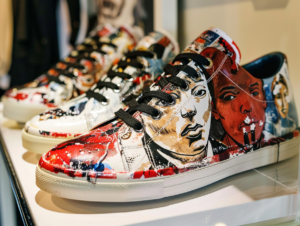
For decades, sneaker culture has existed in two parallel universes. One is driven by design innovation, athlete endorsements, cultural storytelling, and limited-edition drops that spark overnight lines and digital raffles. The other operates in the shadows: replica factories, counterfeit marketplaces, and an underground economy that has grown so sophisticated it can fool even experienced collectors. Now, Nike appears ready to redraw that boundary with a newly surfaced patent describing an invisible digital authentication system embedded directly
into its footwear.
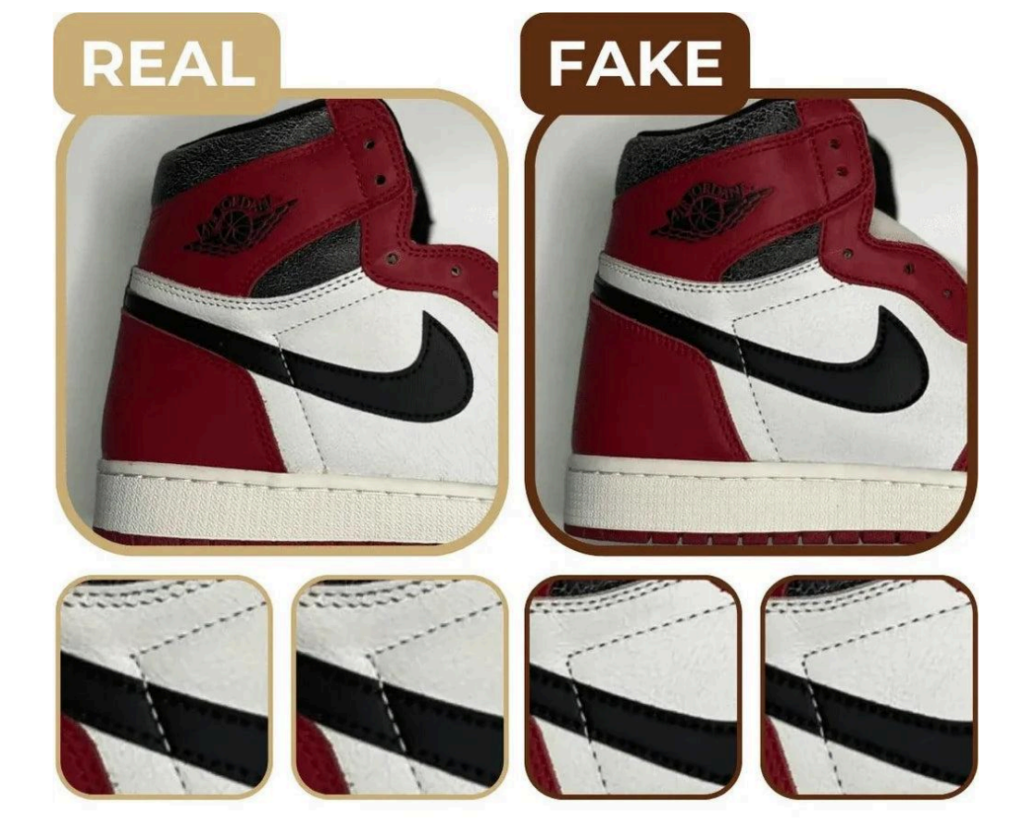
Unlike hologram stickers or QR codes printed on packaging, this system doesn’t rely on visible labels that counterfeiters can replicate. Instead, it embeds a machine-readable fingerprint into the physical structure of the shoe itself. The technology is invisible to the naked eye, yet readable through compatible scanning tools. If implemented at scale, it could fundamentally change how authenticity is verified—not just in sneakers, but across creative industries where originality holds value
To understand the potential impact, we need to explore what this system actually is, why it matters in today’s resale-driven economy, and how it might reshape intellectual property protection far beyond footwear.
Inside the Patent: Turning Sneakers Into Secure Carriers
of Identity
Nike’s patent outlines a method of embedding unique identifiers within footwear materials using conductive inks, magnetic elements, encoded patterns, or microscopic grid systems. These identifiers create a distinct signature essentially a digital fingerprint that can be detected through specific scanning technology.
The crucial distinction lies in invisibility. Traditional anti-counterfeit measures such as serial numbers, QR codes, or RFID chips are external or at least identifiable. Counterfeit operations have repeatedly demonstrated their ability to clone these systems. By contrast, embedding identifiers within layered materials or structural components of a shoe makes duplication dramatically more complex.
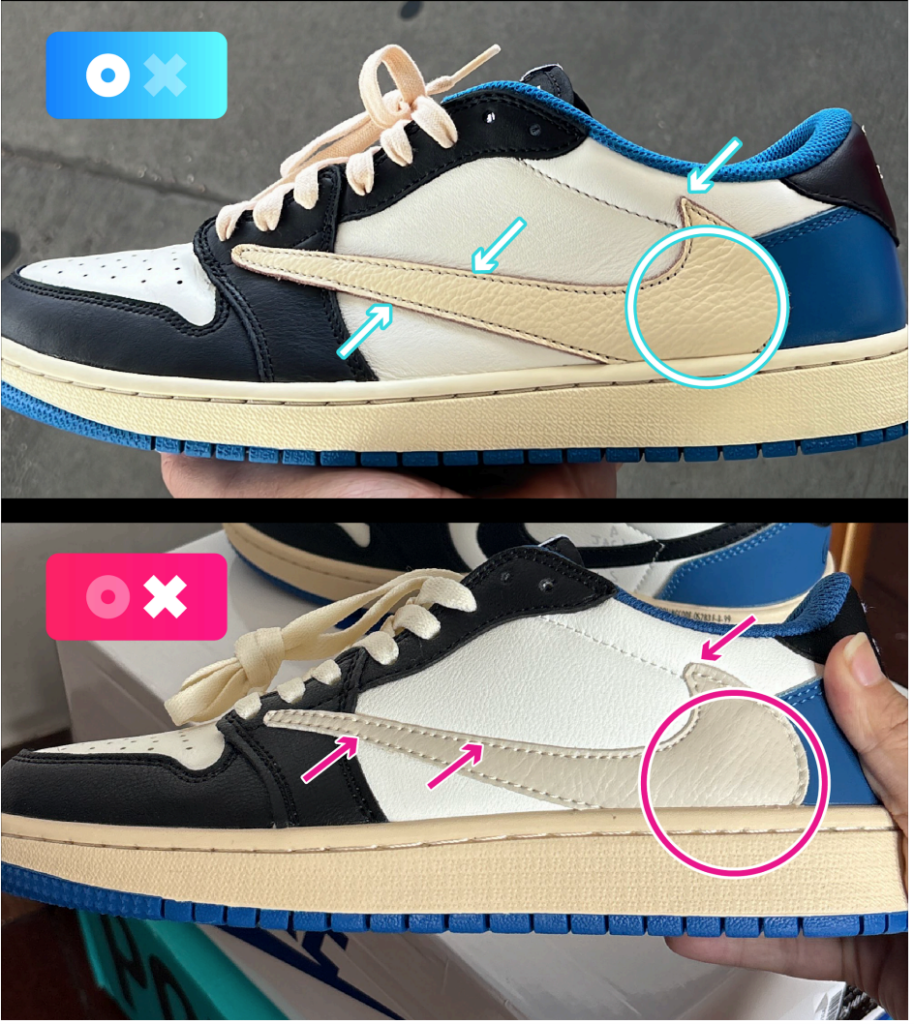
The identifier becomes part of the shoe’s anatomy. It cannot simply be peeled off or swapped. If the embedded signature does not match Nike’s official database, the product fails authentication.
This approach reflects a broader evolution in product verification. Nike previously explored blockchain-linked ownership through its CryptoKicks patent, which proposed tying physical sneakers to digital tokens. The invisible authentication system complements that concept. One verifies the object. The other can potentially verify its digital record.
Together, they hint at a future where physical and digital identities merge seamlessly
The Counterfeit Economy and Why It Matters
Counterfeit goods represent a global problem worth hundreds of billions of dollars annually, with footwear accounting for a significant portion. High-demand models like the Air Jordan 1 or limited collaborations frequently become targets for replica production.
The issue extends beyond lost revenue. Counterfeits dilute brand prestige. They compromise consumer trust. They create friction in resale markets where buyers and sellers depend on accurate verification.
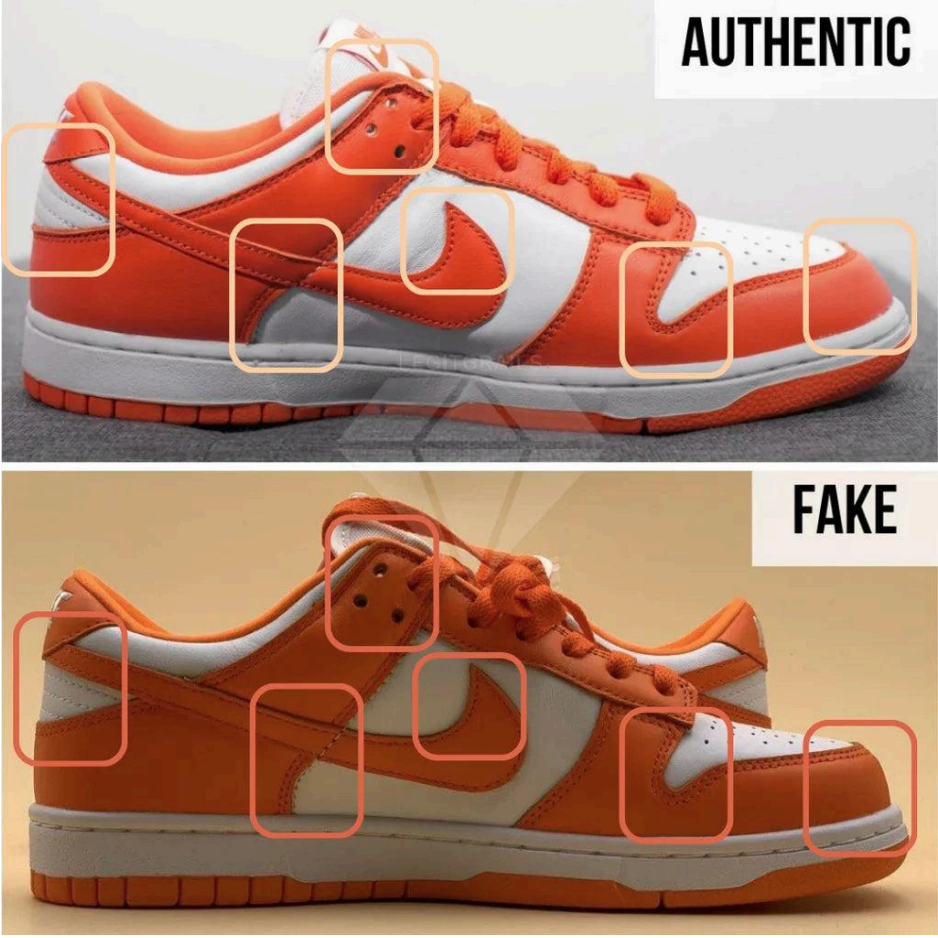
The modern sneaker resale ecosystem operates at industrial scale. Platforms built around authenticating and reselling limited releases have grown into billion-dollar businesses. Yet authentication often relies on trained human inspectors who analyze stitching, materials, and packaging. Even experts can disagree.
By embedding invisible authentication within the product itself, Nike could reduce reliance on subjective visual checks. A scan could confirm authenticity instantly, eliminating ambiguity. That efficiency would streamline resale platforms, reduce disputes, and increase buyer confidence.
More importantly, it would shift authentication from interpretation to verification.
Reshaping the Secondary Market
If Nike integrates authentication scanning into its digital ecosystem, resale markets could change significantly. A verified scan might confirm not only authenticity but also manufacturing data and ownership history. That transparency would elevate trust levels across transactions.
However, such a system also centralizes power. If authentication relies on Nike-controlled databases, the company gains unprecedented visibility into resale behavior. It could observe how frequently certain models change hands or track geographic resale trends.
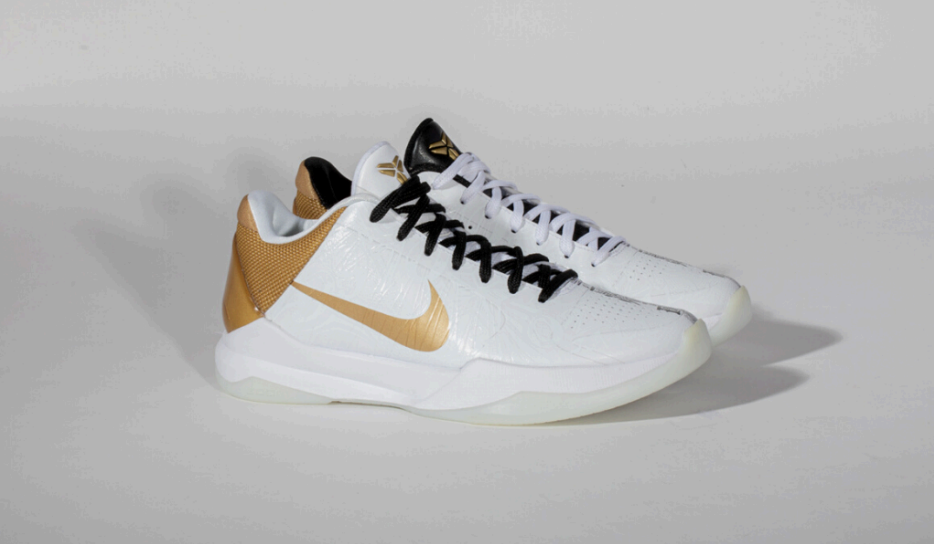
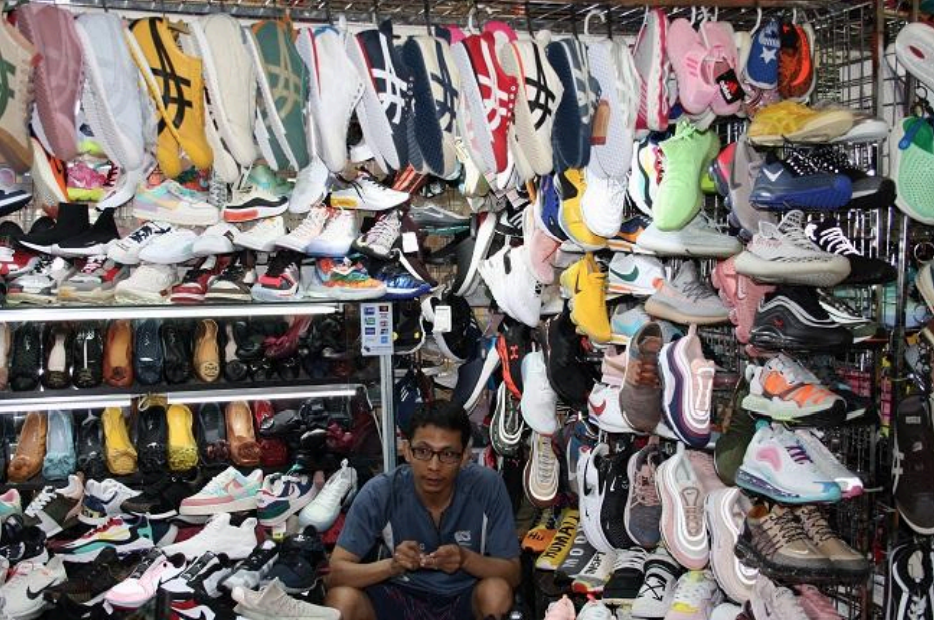
This data could inform production strategies, limited release quantities, and even new monetization models. Nike could potentially integrate authenticated resale into its own platforms, bringing the secondary market closer to the brand itself.
For competitors, the message would be clear: authentication is no longer optional. It becomes an expectation.
From Footwear to the Future of Creative Protection
While sneaker headlines dominate attention, the deeper implications stretch into the broader creative economy. Artists, designers, and creators constantly battle issues of duplication and forgery. Certificates of authenticity can be forged. Digital art can be screenshotted. Limited-edition fashion pieces can be copied with alarming accuracy.
An invisible embedded authentication system introduces a compelling possibility: structural originality. Instead of attaching proof externally, creators could integrate verification directly into their work.
Imagine a limited-edition print containing an invisible, machine-readable signature linked to the artist’s database. Buyers could scan the piece to confirm authenticity instantly. Resale transactions could be recorded transparently. Royalties could be automated.

For fashion designers collaborating with musicians or visual artists, embedded authentication could protect intellectual property at scale. Limited collections tied to cultural moments could carry invisible markers ensuring that only genuine pieces unlock associated digital experiences.
The technology transforms authenticity from paperwork into architecture.
The Technological Arms Race
No anti-counterfeit system is invincible. Counterfeiters adapt quickly when new protections emerge. Yet embedding magnetic signatures or encoded conductive patterns inside footwear dramatically raises the technical barrier.
Replication would require advanced manufacturing capabilities and insider-level knowledge of the encoding system. Even then, Nike could update or modify signature systems over time, creating a moving target.
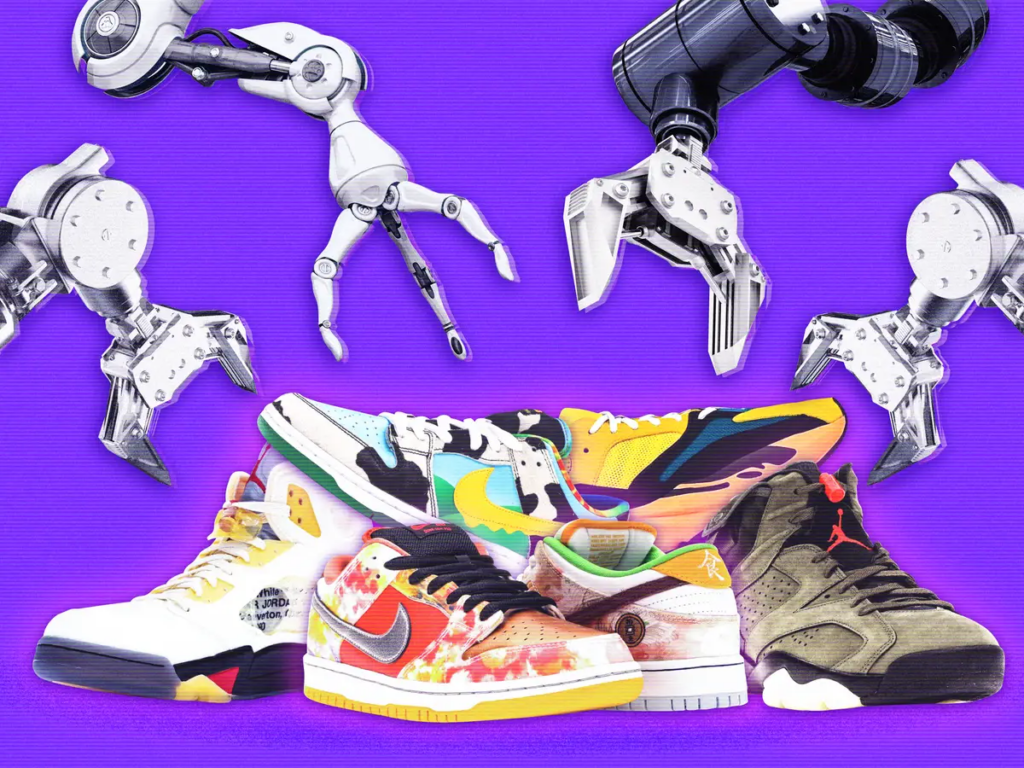
The shift from surface-level duplication to structural replication changes the economics of counterfeiting. It reduces accessibility for smaller operations and increases costs for more sophisticated ones.
In many industries, increasing complexity alone can significantly shrink counterfeit volume.
Accessibility and Consumer Adoption
For this system to succeed, it must remain user-friendly. If verification requires specialized hardware unavailable to consumers, adoption may stall. But if scanning becomes integrated into existing apps, authentication could feel natural and immediate.
Picture a consumer standing in a resale shop, scanning a pair with a smartphone, and receiving instant confirmation of authenticity. That ease of use reinforces trust and reduces hesitation.
The technology’s engineering strength must be matched by seamless user experience design.
Privacy Considerations
Linking physical goods to digital databases raises valid privacy questions. Who controls ownership data? Can resale history be anonymized? How is user data stored?
Transparency will be critical. Consumers must trust not only the product’s authenticity but also the platform managing its verification.
A Structural Shift in How We Define “Real”
Nike’s invisible digital authentication system represents a philosophical evolution. Authenticity is no longer an external marker. It becomes intrinsic.
For the footwear industry, this could signal the beginning of a new standard. Competing brands may adopt similar approaches. Authentication may transition from a premium feature to a baseline expectation.
For artists and designers, it opens a new frontier in protecting originality. Structural verification could help safeguard creative integrity in an era where replication is effortless.
For consumers, it restores confidence. Authenticity becomes verifiable, not debatable.
In a world increasingly defined by digital reproduction and rapid manufacturing, the concept of “real” holds enormous cultural and economic weight. Nike’s patent suggests the company understands that protecting originality requires embedding trust directly into the object itself.
If this technology reaches full implementation, it won’t simply reduce fake sneakers. It could redefine ownership, elevate creative protection, and usher in a new era where authenticity isn’t printed on a label.
It’s built in.