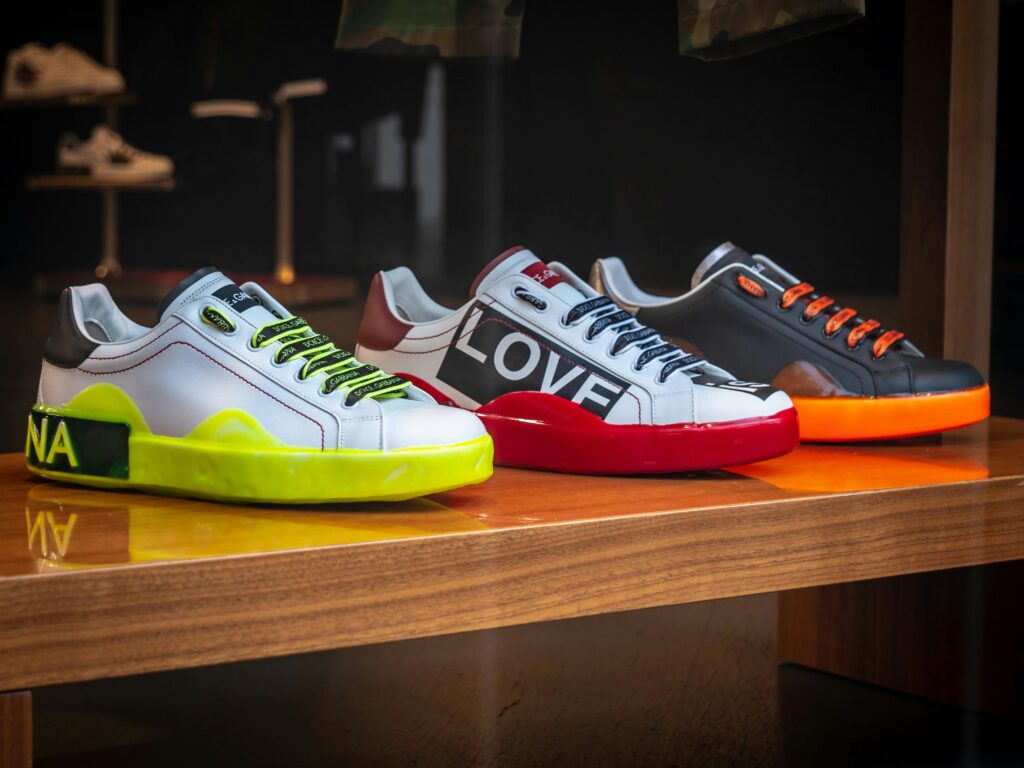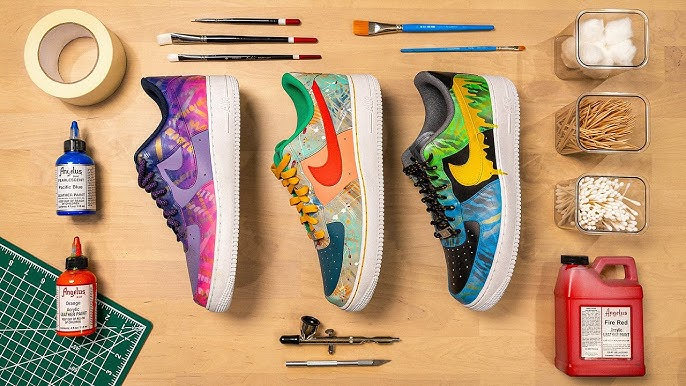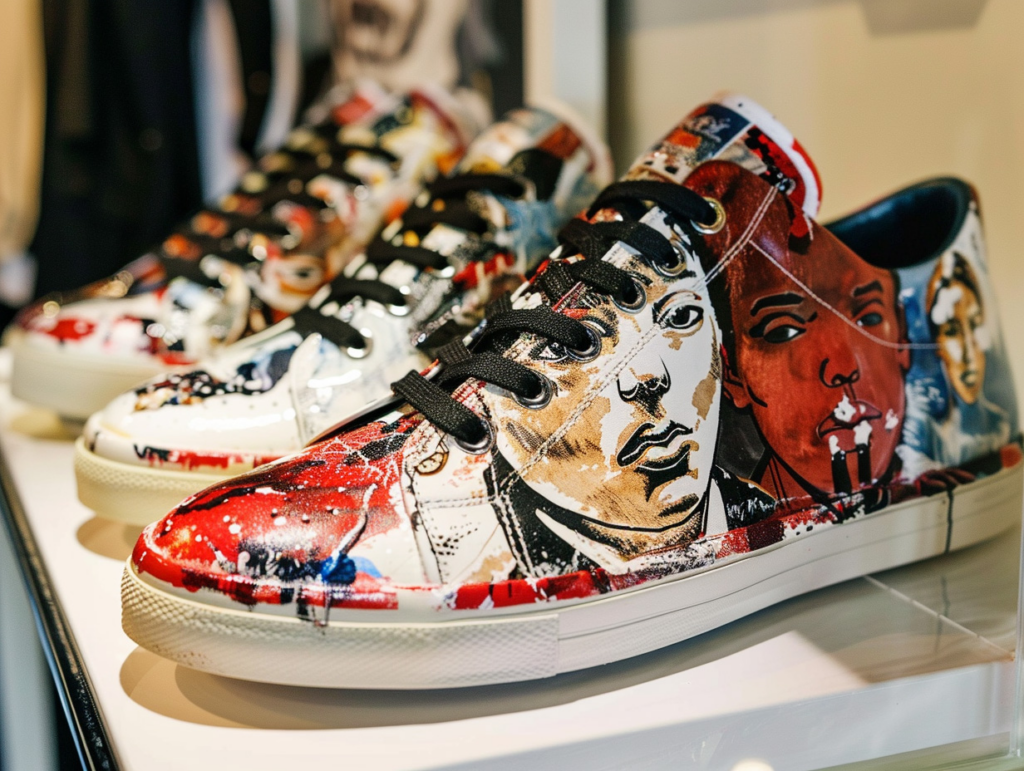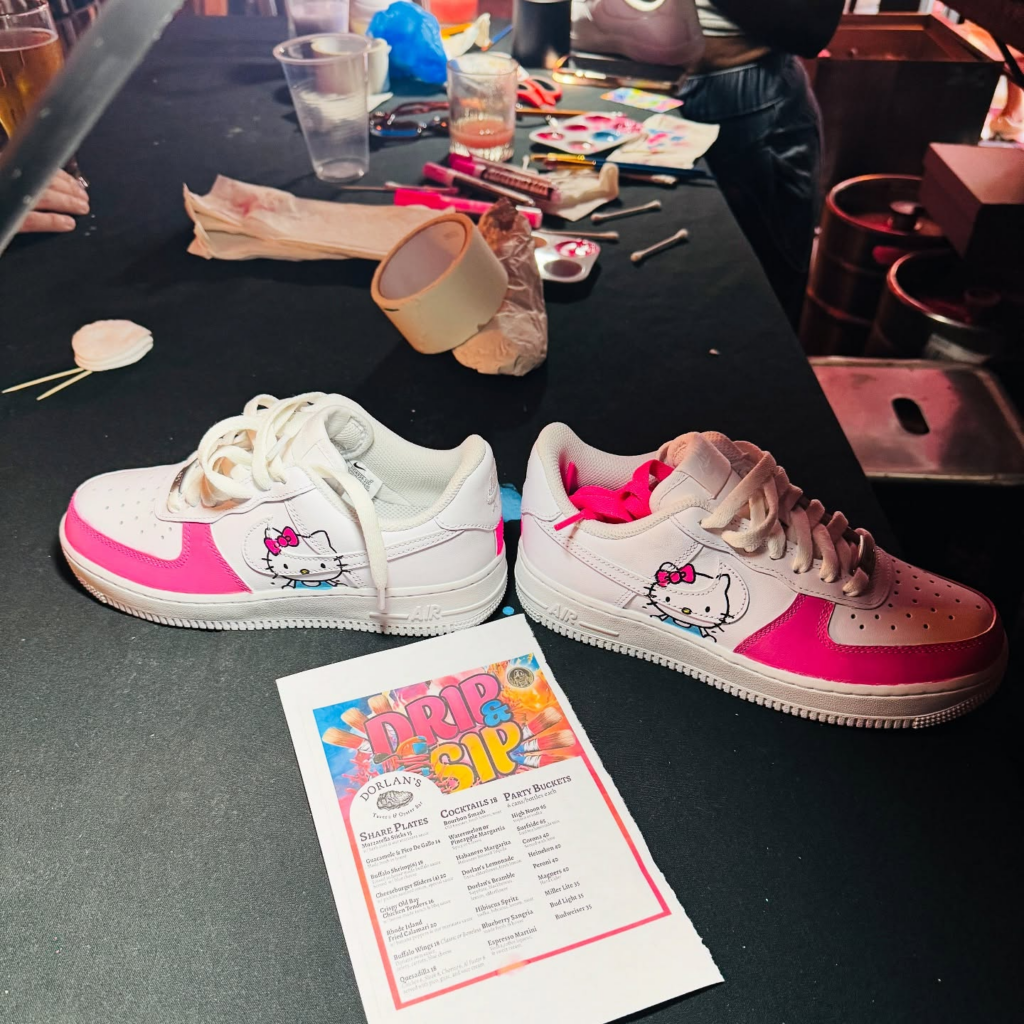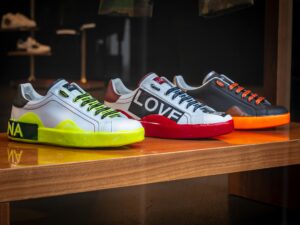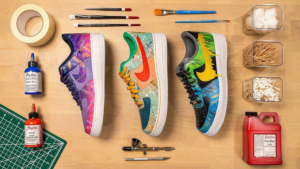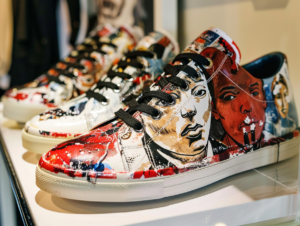
In the last decade, sneaker culture has transformed from a niche subculture into a global economic force. What once lived on basketball courts and hip-hop stages now commands fashion weeks, auction houses, and corporate boardrooms. In this climate, sneaker customization has flourished. Artists repaint Air Force 1s into miniature canvases. Designers reconstruct Air Jordans into avant-garde sculptures. Boutique studios promise one-of-one exclusivity in a market built on mass production.
But beneath the vibrant brushstrokes and Instagram-ready reveals lies a complicated legal question: when does customization become infringement?
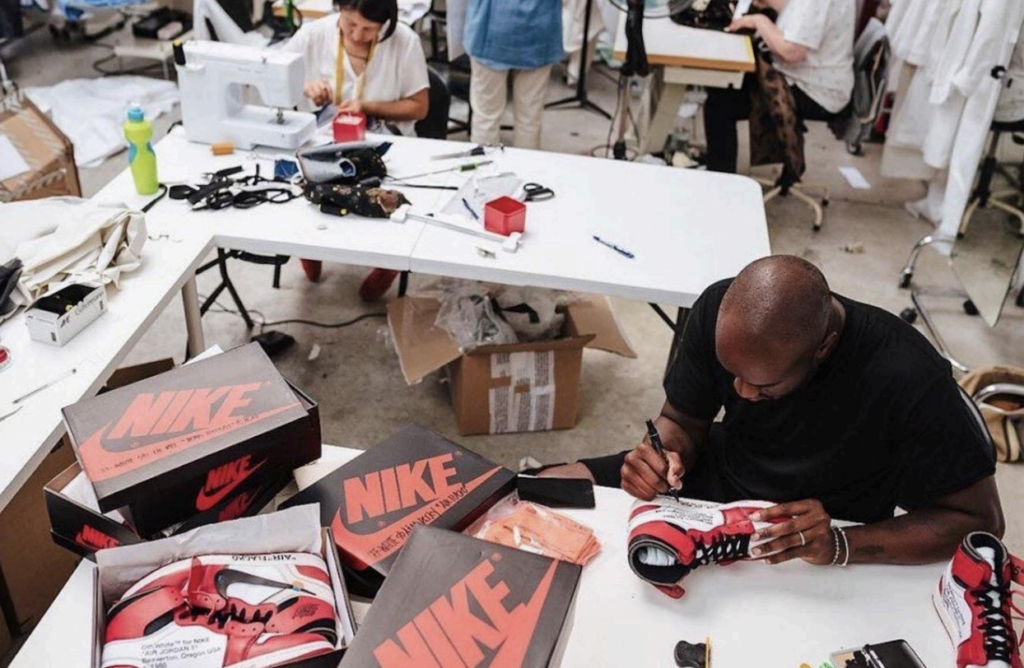
The gray area of sneaker customization sits at the intersection of art, commerce, and intellectual property law. It is a space shaped by trademark doctrine, copyright protection, and a steady stream of court rulings that attempt to define where brand ownership ends and artistic freedom begins. Books like Sneaker Law by Kenneth Anand offer a structured lens into these issues, examining how sneaker companies deploy intellectual property protections to guard their designs, logos, and brand identities. Meanwhile, real-world companies such as The Custom Movement and MSCHF have found themselves in direct conflict with industry giants like Nike.
This is not simply a battle between corporations and creatives. It is a defining conversation about ownership in an era where customization is culture.
The Intellectual Property Framework Behind Every Sneaker
To understand the legal gray zone, we must first understand what sneaker companies actually own.
A sneaker is more than leather and rubber. It is a bundle of intellectual property rights layered together. Trademarks protect logos like the Nike Swoosh and brand identifiers such as the word “Air.” Trade dress protects the distinctive visual appearance of a product, including the silhouette and overall look that signals its origin. Copyright can protect graphic elements and artwork applied to a shoe. Patents may cover technological innovations in cushioning or construction.
In Sneaker Law, Anand explains how companies like Nike have built vast intellectual property portfolios not only to protect their innovations but to control their brand narratives. A sneaker silhouette itself may become recognizable enough to qualify for trade dress protection, as courts have recognized in various cases involving athletic footwear.
One of the most significant rulings in recent memory is Nike’s litigation over its Air Force 1 and Air Jordan silhouettes. Courts have affirmed that certain design features, when non-functional and distinctive, may be protected as trade dress. This means that even if a logo is removed, copying the overall look of a sneaker can still infringe.
For customizers, this raises a pivotal question: if they purchase an authentic pair of sneakers and modify them, are they free to do as they please?
The answer is complicated.
First Sale Doctrine: The Customizer’s Shield
The first sale doctrine is often cited as the legal foundation for sneaker customization. Under U.S. law, once a trademark owner sells a product, the buyer generally has the right to resell that product without further permission. This doctrine is why resale platforms like StockX and GOAT operate lawfully.
Customizers rely on this principle. They purchase genuine sneakers and then alter them, sometimes dramatically, before reselling them at a premium. On the surface, this seems permissible: the product was lawfully acquired.
However, trademark law introduces an important limitation. If the modified product is materially different from the original, and consumers are likely to be confused about whether the brand authorized the changes, the customizer may be liable for infringement.
Courts have repeatedly emphasized consumer confusion as the central test. Would a reasonable buyer believe the sneaker company endorsed or produced this modified version?
If the answer is yes, the customizer enters dangerous territory.
When Customization Becomes “Material Alteration”
The concept of “material alteration” sits at the heart of many disputes. Minor repainting or aesthetic changes may not rise to the level of infringement if consumers clearly understand the product is customized. But structural changes—deconstructing, reshaping, or adding new branding elements—can create legal friction.
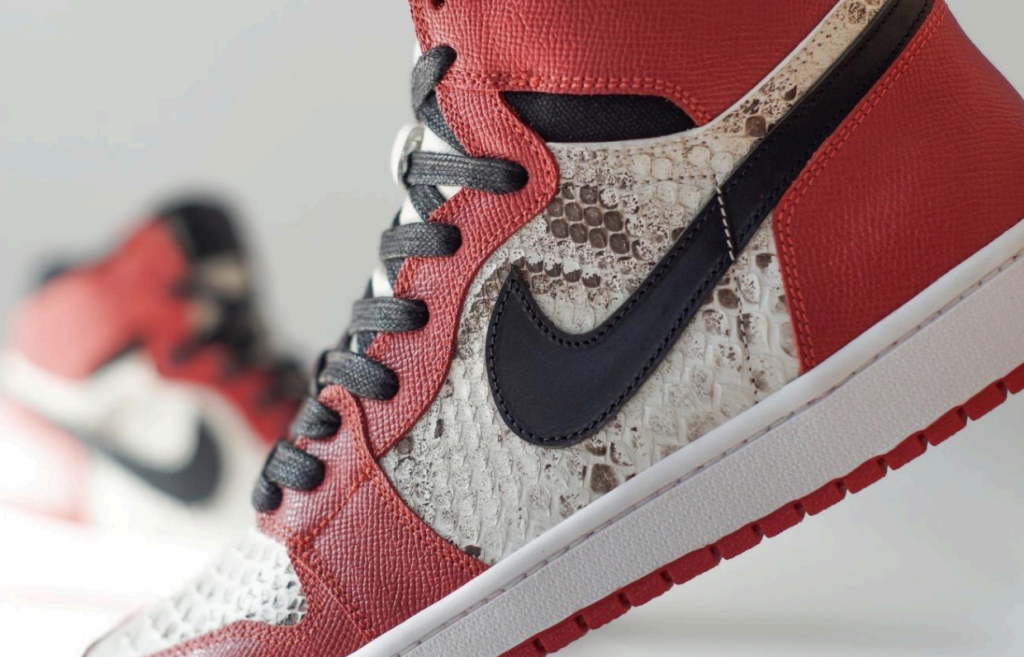
The Custom Movement, a company that built its brand around bespoke sneaker designs, has operated in this gray space. By clearly marketing its products as customized versions of authentic sneakers, it attempts to reduce consumer confusion. Transparency becomes both a branding strategy and a legal shield.
Contrast that with situations where customizers add additional Swooshes, alter logos, or create mashups of multiple brands. When branding elements are manipulated in ways that suggest official collaboration, courts become less sympathetic.
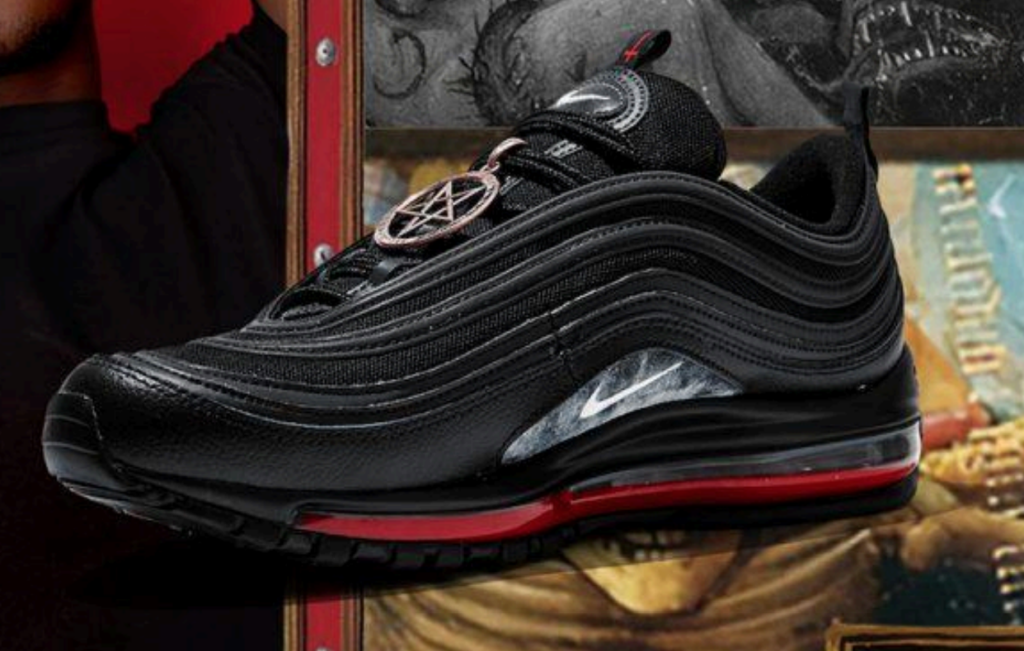
A high-profile example emerged in 2021 when MSCHF released the “Satan Shoes,” a modified Nike Air Max 97 featuring religious iconography and a drop of human blood. The collaboration with rapper Lil Nas X generated massive media attention. Nike sued for trademark infringement, arguing that consumers were confused into believing Nike endorsed the product.
The case settled, but it underscored a clear reality: even when customizers buy authentic products, radical modifications tied to controversial themes can trigger aggressive legal action if brand association remains visible.
The Role of Disclaimers: Are They Enough?
Customizers frequently use disclaimers stating that their products are not affiliated with or endorsed by the original brand. Legally, disclaimers can help mitigate confusion, but they are not foolproof.
Courts evaluate the totality of circumstances. If the overall presentation of the product, packaging, and marketing heavily emphasizes the original brand, a small disclaimer may not be sufficient. The prominence of trademarks, the nature of the alterations, and the sophistication of consumers all factor into the analysis.
In past trademark cases beyond sneakers, courts have found that disclaimers do not automatically cure infringement if the underlying confusion remains likely. This principle echoes through sneaker disputes.
In essence, a disclaimer is helpful—but not magical.
The Rise of Reconstruction and Hybrid Designs
As customization evolves, artists are moving beyond painting into full reconstruction. Some deconstruct multiple pairs of authentic sneakers to create hybrid silhouettes. Others incorporate luxury materials, reposition logos, or blend different models into a single product.
This practice raises deeper trade dress concerns. If the resulting sneaker still prominently features protected elements—such as the Air Jordan silhouette or Nike Swoosh—it may still imply brand origin.
Nike has aggressively enforced its trade dress rights in the past, including litigation against companies producing lookalike sneakers. While not all cases directly involve customizers, the legal reasoning extends naturally to them.
For example, Nike’s lawsuit against Warren Lotas in 2020 involved sneakers that closely resembled the Nike Dunk silhouette but replaced the Swoosh with a modified logo. Nike alleged trade dress infringement, and the case ultimately resulted in a settlement and halted sales.
Even though Warren Lotas created original artwork, the silhouette similarity triggered enforcement. This case sent a message to the customization community: changing the logo may not be enough if the overall design remains confusingly similar.
Artistic Expression vs. Brand Control
Customization advocates often frame their work as artistic expression. Indeed, many custom sneakers function as wearable art. They critique consumerism, reinterpret brand symbolism, or inject personal narratives into corporate products.
From a copyright perspective, transformative use can sometimes qualify as fair use. However, fair use is notoriously unpredictable and fact-specific. In trademark law, the focus shifts away from artistic merit and toward consumer confusion.
This creates tension. An artist may believe their reinterpretation is clearly commentary or parody. A corporation may view it as unauthorized commercial exploitation.
The gray area persists because both positions have legal grounding.
In Sneaker Law, Anand notes that sneaker companies must actively police their marks to avoid weakening them. Failure to enforce trademark rights can dilute brand distinctiveness. From the corporation’s perspective, litigation is not merely defensive—it is strategic preservation.
From the artist’s perspective, litigation can feel like suppression of creativity.
International Perspectives and Expanding Markets
Sneaker customization is not confined to the United States. In Europe and Asia, intellectual property regimes differ, but similar tensions arise. European Union trademark law also emphasizes consumer confusion, though courts may weigh artistic expression differently.
Global e-commerce complicates matters further. A customizer operating in one jurisdiction may ship worldwide, exposing themselves to multiple legal systems. Enforcement becomes both more difficult and more expansive.
As sneaker culture globalizes, so too does the legal complexity.
The Business Reality: Risk as a Cost of Creativity
For many customization companies, legal risk becomes a calculated business expense. Some operate quietly, avoiding high-profile drops that might trigger lawsuits. Others embrace notoriety, understanding that controversy can amplify brand awareness.
The Custom Movement and similar studios attempt to navigate carefully by focusing on bespoke commissions rather than mass production. By emphasizing individual artistry and transparency, they reduce the perception of competing directly with the original brand.
However, the line remains thin. Scaling operations increases visibility, which increases scrutiny.
For independent artists, the stakes are higher. A cease-and-desist letter can halt business overnight. Legal defense costs can be devastating. Unlike multinational corporations, small studios rarely have robust legal teams.
Yet the market demand for customized sneakers continues to grow, fueled by consumers seeking individuality in a world of mass releases.
What the Future Holds
As sneaker resale markets expand and digital communities amplify niche creators, the gray area of customization will likely face further judicial clarification. Courts may refine standards for material alteration and consumer confusion. Brands may develop official customization programs to channel demand into controlled environments.
Indeed, some companies have already embraced limited personalization platforms, allowing consumers to design colorways within defined boundaries. This approach balances creativity with brand control.
But fully independent customization will likely persist. It represents a cultural counterpoint to corporate uniformity.
Ultimately, the legal landscape demands nuance. Not every custom sneaker infringes intellectual property. Not every enforcement action is corporate overreach. The gray area exists because intellectual property law attempts to balance competing values: protecting innovation and preserving creative freedom.
Sneaker customization thrives precisely in that tension.
The future of the movement will depend not only on court rulings but on how artists, brands, and consumers collectively define authenticity, ownership, and artistic expression in a world where even a pair of sneakers can become a legal battleground.
In the end, the question is not whether customization will survive—it clearly will. The real question is how far it can stretch before the law pulls it back.