Introduction: The New Balance Sneaker Resurgence Begins
The New Balance sneaker resurgence stands as one of the most carefully executed brand revivals in modern fashion and sneaker culture. At a time when the industry is saturated with celebrity endorsements, viral drops, and accelerated trend cycles, New Balance regained relevance by doing the opposite. The brand slowed down, collaborated intentionally, and allowed culture to guide commerce rather than chase it.
Once dismissed as a purely functional “dad shoe,” New Balance has reemerged as a symbol of authenticity, understated confidence, and creative credibility. This transformation did not result from a dramatic rebrand or sudden shift in identity. Instead, it emerged through collaboration, experiential marketing, and a renewed focus on storytelling rooted in community and craft.
As sneaker culture evolved toward comfort, individuality, and meaning, New Balance found itself uniquely positioned. Rather than reinventing who it was, the brand reframed what it already stood for. In doing so, it became relevant to Gen Z, fashion insiders, athletes, and collectors without losing the trust it had built over more than a century.

Heritage Without Nostalgia: The Strategic Core of New Balance
New Balance has long represented craftsmanship, performance, and longevity. Founded in 1906, the company built its reputation quietly by prioritizing quality over spectacle. For decades, this restraint worked in its favor within athletic circles but limited its visibility in fashion-driven sneaker culture.
The turning point arrived when cultural values shifted. Comfort became fashionable. Minimalism gained status. Authenticity became more desirable than excess branding. New Balance did not pivot to meet these changes. Instead, the culture pivoted toward what New Balance had always offered.

The challenge was translation. New Balance needed to communicate its heritage in a way that resonated with a new generation. Collaboration became the vehicle for that translation, not as a marketing shortcut, but as a long-term cultural strategy
Collaborations as Cultural Infrastructure in the New Balance Resurgence
In the context of the New Balance sneaker resurgence, collaborations functioned as cultural infrastructure rather than promotional spikes. Each partnership added narrative depth while reinforcing the brand’s core identity. Instead of saturating the market, New Balance curated its collaborators carefully, allowing each project to contribute meaning rather than noise.

Aimé Leon Dore and the Redefinition of Cool
The collaboration with Aimé Leon Dore marked a defining moment. Under the creative leadership of TeddySantis, the partnership revived the New Balance 550, an archival basketball silhouette that had largely faded from public consciousness.
The revival succeeded because it resisted exaggeration. The design language emphasized muted tones, premium materials, and subtle branding. The sneaker felt timeless rather than trend-driven. It appeared naturally across city streets, fashion editorials, and social media without relying on spectacle.
The 550 became a symbol of taste rather than status. Its success signaled that New Balance had reentered cultural relevance by refining its voice rather than raising it.
Community Storytelling Through Sneaker Collaborations
If Aimé Leon Dore refined New Balance’s aesthetic perception, collaborations with Joe Freshgoods expanded its emotional and cultural reach. His work centered on narrative and representation, using sneakers as tools for conversation rather than objects of hype.

Projects such as “Conversations Amongst Us” embedded meaning into every design decision. Colorways reflected lived experience. Campaigns foregrounded people rather than product. These releases invited consumers to engage emotionally, not just visually.
This approach demonstrated how sneaker collaborations marketing can foster cultural dialogue. By positioning sneakers as storytellers, New Balance strengthened its relationship with communities who saw themselves reflected in the brand.
Sneaker Artists and the Rise of Collectible Design
The rise of sneaker artists as collaborators further elevated New Balance’s creative credibility. Designers like Salehe Bembury introduced a sculptural and material-driven approach that pushed the brand into collectible territory.


Bembury’s work emphasized texture, organic form, and tactile experience. His designs blurred the boundary between performance footwear and art while remaining functional and wearable. These projects expanded the perception of what a New Balance sneaker could be, attracting design-focused consumers and collectors.
Importantly, innovation never came at the expense of comfort or durability. Each collaboration reinforced the idea that heritage and experimentation can coexist.
Experiential Marketing Behind the New Balance Sneaker Resurgence
While collaborations built credibility, experiential marketing made the New Balance sneaker resurgence tangible. The brand recognized that cultural relevance cannot exist solely online. It must be experienced in physical environments where consumers can participate and connect.
Rather than hosting conventional promotional events, New Balance invested in immersive activations. Pop-ups tied to key collaborations functioned as living narratives. Visitors explored sneaker history, observed creative process, and engaged with the brand beyond the point of sale. These moments reframed sneaker drops as cultural gatherings and strengthened emotional connection.

New Balance also expanded its experiential strategy beyond designers and athletes to include sneaker artists and experiential marketing firms deeply rooted in sneaker culture. This extension reflected the brand’s belief that creativity resonates most powerfully when it unfolds live and in community.
Live Sneaker Art as Cultural Participation
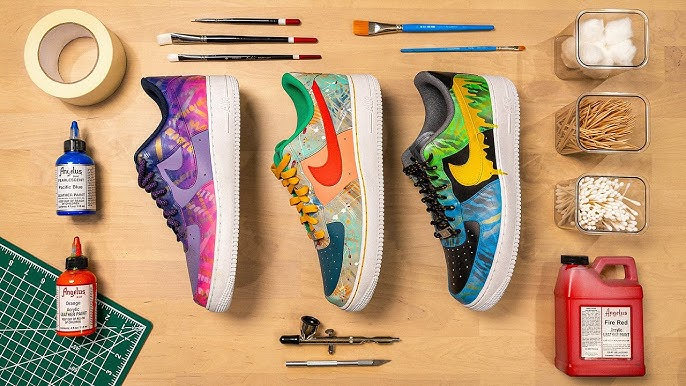
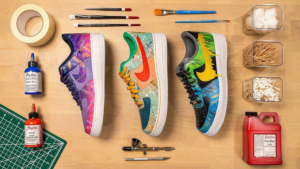
Live sneaker artistry has become a compelling expression of experiential sneaker marketing. Firms like eMCee Apparel, L.L.C., better known as eMCee Kicks, operate at the intersection of sneaker art, customization, and audience engagement. Their work aligns naturally with New Balance’s values by treating sneakers as creative platforms rather than static retail products.
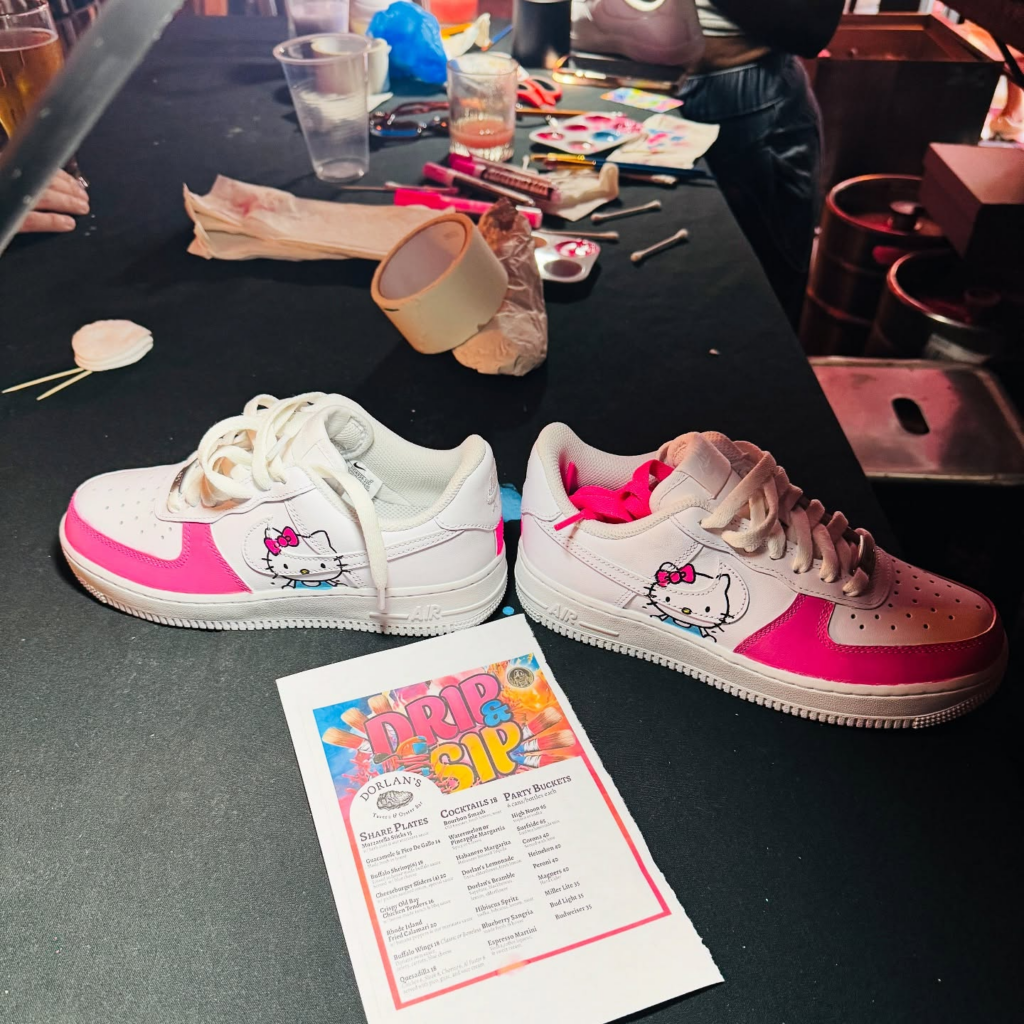
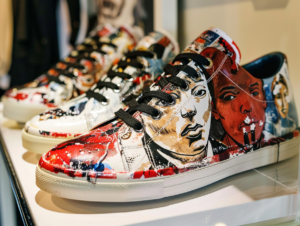
A recent activation featuring New Balance footwear at the relaunch of Kids Foot Locker at The Mall at Bay Plaza illustrates this approach in action. Instead of a traditional store reopening, the event became an interactive creative moment. Attendees, particularly young consumers and families, watched New Balance sneakers customized live, transforming familiar silhouettes into personalized expressions.

This type of activation achieves something traditional retail rarely delivers. Observing a sneaker artist at work creates immediacy and emotional investment. The sneaker becomes part of an unfolding story rather than a finished object. For younger audiences, this exposure builds early brand affinity rooted in creativity and memory. For New Balance, it reinforces authenticity at the moment brand perception is formed.
Turning Retail Into Cultural Space
Experiential moments like these succeed because they reimagine retail environments as cultural spaces. Instead of static shelves, consumers encounter process, personality, and interaction. Live artistry encourages conversation and social sharing, extending the activation beyond the physical location.

Within the broader New Balance sneaker resurgence, these experiences show how collaboration extends beyond product design into lived experience. By working with sneaker artists and experiential marketing firms embedded in culture, New Balance ensures its storytelling remains grounded, accessible, and human.
Gen Z, Identity, and the Shift in Sneaker Culture
The success of the New Balance sneaker resurgence is closely tied to its resonance with Gen Z consumers. This generation values individuality, ethics, and transparency. Brands perceived as opportunistic or insincere are quickly dismissed.
New Balance’s understated aesthetic allows space for personal style. Its collaborations offer diversity without fragmentation. Together, these qualities position the brand as adaptable, expressive, and trustworthy. For Gen Z, New Balance represents identity without excess.

Athletes, Performance, and Cultural Crossover
Fashion success did not come at the expense of performance. Athlete partnerships remained central to New Balance’s identity. By presenting athletes as multidimensional individuals rather than marketing symbols, the brand bridged sport and lifestyle authentically.
This balance reinforced credibility. Performance was not an aesthetic choice. It was foundational. The result was a brand that moved fluidly between sport, fashion, and culture.


Why the New Balance Marketing Strategy Worked
The New Balance marketing strategy succeeded because of alignment. Collaborations, experiences, and messaging reinforced the same values of craftsmanship, community, and authenticity. The brand curated rather than flooded the market, allowing meaning to accumulate.
By granting collaborators creative autonomy, New Balance earned trust. That trust translated into cultural relevance that compounded over time rather than spiking temporarily.

Lessons for Modern Brands
The New Balance sneaker resurgence offers a blueprint for sustainable growth. Brands do not need reinvention as much as reinterpretation. Collaborations should deepen identity. Experiential marketing should create connection. Heritage should serve as a foundation rather than a limitation.
Most importantly, culture cannot be controlled. It can only be joined.
Conclusion: The Future of the New Balance Sneaker Resurgence
The New Balance sneaker resurgence is not a fleeting trend. It represents a recalibration of modern branding. By focusing on collaboration, experiential marketing, and cultural storytelling, New Balance transformed itself into a symbol of quiet confidence and creative credibility.
In an era defined by speed and excess, New Balance chose patience and intention. That choice rebuilt the brand and positioned it for long-term relevance. As sneaker culture continues to evolve, New Balance stands as proof that authenticity, when paired with thoughtful collaboration, remains the most powerful strategy available.