Not long ago, the phrase “dad shoes” was a punchline. It conjured images of suburban weekends, grass-stained lawns, and utilitarian sneakers chosen for comfort rather than style. Today, that same silhouette dominates fashion editorials, sneaker blogs, Instagram mood boards, and city sidewalks. Chunky sneakers have moved from ironic curiosity to cultural mainstay, and the rise of dad shoes in streetwear is not a passing fad. It is a full-scale shift in how consumers define cool, comfort, and self-expression.


For sneaker enthusiasts, dad shoes represent a deep archive revival, pulling from running and training models of the 1980s and 1990s. For casual wearers, they offer unmatched comfort in a world increasingly focused on everyday wearability. For custom sneaker fans, the bulky canvas of a chunky sneaker unlocks endless creative potential. And for brands and platforms like kicksremixed, the trend is a powerful intersection of nostalgia, craftsmanship, and future-forward style.
Understanding why dad shoes took over streetwear requires looking beyond the shoe itself. It means examining cultural cycles, fashion fatigue, generational identity, and the evolving priorities of consumers who want their sneakers to feel as good as they look. More importantly, it requires recognising why chunky sneakers are not going anywhere anytime soon.
From Mockery to Must-Have: The Cultural Shift Behind Dad Shoes
The rise of dad shoes is inseparable from fashion’s ongoing relationship with nostalgia. Every generation eventually reaches back to reinterpret the aesthetics it once rejected. What was once unfashionable becomes interesting, then ironic, and eventually aspirational. Dad shoes followed this arc perfectly.

In the early 2010s, fashion entered a phase often described as normcore, where blending in became more appealing than standing out. This movement elevated ordinary items plain jeans, white T-shirts, and unremarkable sneakers into statements of intentional anti-fashion. Bulky running shoes fit this philosophy perfectly. They were visually loud yet culturally quiet, signaling confidence through indifference.


At the same time, younger consumers began pushing back against hyper-minimalist footwear. Sleek, ultra-thin silhouettes had dominated sneaker culture for years, especially in the era of streamlined runners and low-profile trainers. The exaggerated proportions of dad shoes felt rebellious. Their thick soles, layered panels, and visible cushioning rejected the idea that sneakers needed to look fast or futuristic to feel relevant.

Social media accelerated this transformation. As streetwear influencers and stylists paired chunky sneakers with tailored trousers, oversized hoodies, and experimental layering, the look evolved from joke to journal-worthy. What began as irony matured into genuine appreciation. Dad shoes stopped being worn “as a joke” and started being worn because they looked and felt right.


This shift also reflects a broader cultural redefinition of masculinity and femininity in fashion. Chunky sneakers blur traditional gender lines. Their bulk resists daintiness, while their colorways and materials invite playfulness. That balance resonates strongly in a fashion landscape that values individuality over rigid norms.
How Brands Turned Function Into Fashion
Luxury and performance brands played a crucial role in cementing dad shoes as a streetwear staple. When high-fashion labels embraced chunky sneakers, they reframed the silhouette as intentional design rather than accidental style.
A pivotal moment came when Balenciaga introduced the Balenciaga Triple S. With its exaggerated sole, layered construction, and unapologetic bulk, the Triple S challenged every conventional rule of sneaker design. It was polarizing, expensive, and impossible to ignore. More importantly, it validated the dad shoe aesthetic on the world’s most influential runways.

At the other end of the spectrum, heritage performance brands found themselves unexpectedly fashionable.
New Balance, long associated with comfort-first running shoes, became a streetwear darling almost overnight. Models that once appealed primarily to older runners were suddenly embraced by stylists, creatives, and sneakerheads who valued authenticity and craftsmanship. The brand’s commitment to quality materials and ergonomic design aligned perfectly with the growing demand for wearable fashion.
Similarly, Nike saw renewed interest in overlooked silhouettes like the Nike Air Monarch. Once dismissed as unfashionable, these shoes gained cult status precisely because they resisted trend-chasing. Their durability, cushioning, and straightforward design spoke to a consumer tired of fragile hype sneakers

The influence of Yeezy cannot be ignored either. The Yeezy 700 bridged the gap between performance-inspired design and futuristic aesthetics. It introduced chunky sneakers to an audience already primed by streetwear culture, making bulkiness aspirational rather than ironic.

Together, these brands shifted the narrative. Dad shoes were no longer mistakes of the past. They became deliberate design statements that prioritized form, function, and attitude in equal measure.
Comfort Is the New Luxury
One of the most overlooked reasons dad shoes took over streetwear is comfort. In an era shaped by remote work, flexible schedules, and increased time on foot, consumers are no longer willing to suffer for style. Sneakers have become everyday essentials rather than occasional fashion pieces, and chunky silhouettes deliver where slimmer designs often fail.
Thick midsoles provide superior cushioning, reducing impact during long days of walking or standing. Wider bases improve stability, making dad shoes practical for real-world movement rather than curated photo moments. Breathable uppers, layered materials, and orthopedic-inspired construction offer a level of support that feels almost indulgent.

This emphasis on comfort aligns with broader wellness trends. As people become more conscious of posture, joint health, and long-term mobility, footwear choices reflect those priorities. Wearing chunky sneakers is not just a fashion statement; it is a lifestyle decision.
Luxury fashion has adapted accordingly. High-end brands increasingly market comfort as a premium feature rather than a compromise. The idea that something can be both stylish and supportive resonates deeply with modern consumers who expect versatility from their purchases.
For casual wearers, this means dad shoes fit seamlessly into daily life. They pair as easily with joggers and hoodies as they do with tailored pants and structured coats. That adaptability ensures their continued relevance across seasons and demographics.
Dad Shoes as a Canvas for Custom Culture
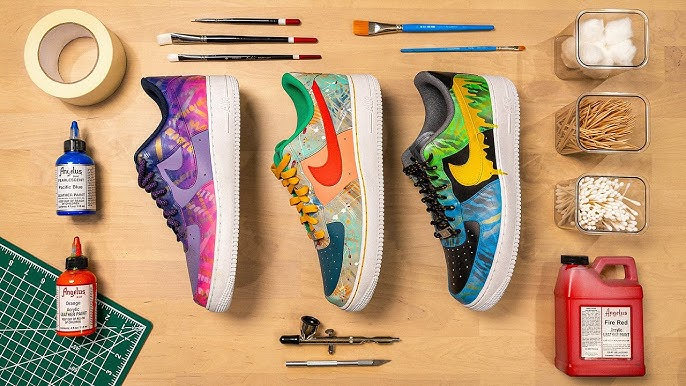
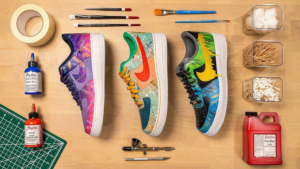
For custom sneaker fans, dad shoes are more than footwear. They are blank canvases. The layered panels, textured materials, and oversized proportions of chunky sneakers provide ideal surfaces for artistic expression.
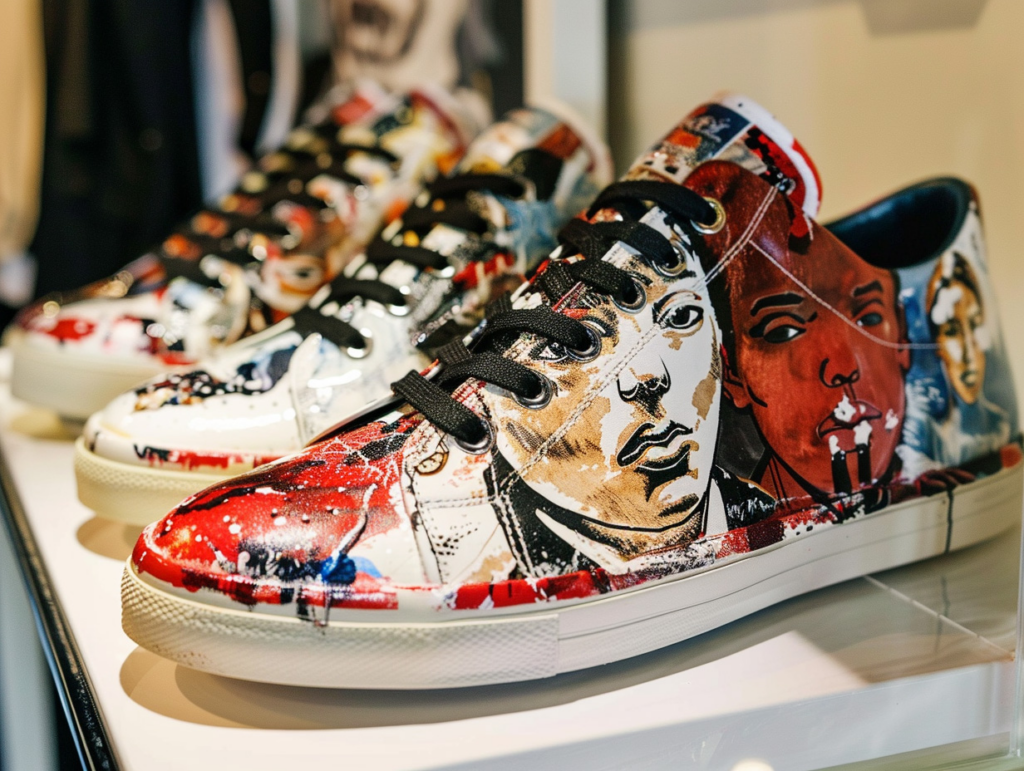
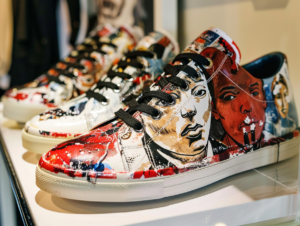
Customizers gravitate toward silhouettes that offer depth and dimension. A bulky sneaker allows for colour blocking, intricate detailing, and experimental finishes that would overwhelm a minimalist design. From hand-painted graphics to mixed-material overlays, dad shoes invite creativity without restraint.

This is where platforms like eMCeeKicks.com thrive. Custom chunky sneakers appeal to collectors seeking one-of-one pieces that reflect personal identity. They also attract fashion-forward consumers who want their footwear to stand out in a sea of mass-produced releases.
The rise of customization also reinforces the longevity of the dad shoe trend. When a silhouette becomes a foundation for creative communities, it transcends seasonal fashion cycles. It evolves alongside the artists and wearers who reinterpret it again and again.
Customization taps into a deeper desire for authenticity. In a market saturated with limited drops and resale hype, personalized sneakers offer something genuinely unique. Dad shoes, with their unconventional aesthetics, feel especially suited to this ethos. They are not about perfection; they are about character.
The Influence of Streetwear on High Fashion and Back Again
Streetwear has always thrived on borrowing from unexpected places. Workwear, sports uniforms, military gear, and suburban staples have all been repurposed into fashion statements. Dad shoes fit squarely within this tradition.
What makes chunky sneakers unique is how seamlessly they move between streetwear and high fashion. A single silhouette can appear in a luxury campaign, an underground skate video, and a daily commuter’s outfit without losing relevance. This fluidity keeps the trend alive.

Designers continue to experiment with proportions, materials, and colorways, ensuring that dad shoes evolve rather than stagnate. At the same time, consumers reinterpret these designs through personal styling, layering them into diverse wardrobes.
This constant feedback loop between designers and wearers prevents chunky sneakers from becoming dated. Each iteration feels like a conversation rather than a conclusion.
Why Chunky Sneakers Are Here to Stay
Fashion trends usually fade when they lose utility or cultural meaning. Dad shoes show no signs of either. Their practicality ensures ongoing demand, while their symbolism continues to resonate.
They represent a rejection of unrealistic beauty standards in fashion. They celebrate comfort, individuality, and confidence. They challenge the idea that style must be sleek or minimal to be sophisticated.

As sustainability becomes a greater concern, durable, well-constructed sneakers gain appeal. Chunky shoes often last longer than lighter alternatives, reinforcing their value over time. Consumers are increasingly drawn to pieces that feel substantial and worth the investment.
Technological innovation also plays a role. Advances in cushioning, recycled materials, and ergonomic design allow brands to improve comfort without sacrificing aesthetics. This keeps the dad shoe silhouette fresh while maintaining its core appeal.
Perhaps most importantly, chunky sneakers have embedded themselves in everyday life. They are no longer trend pieces pulled out for specific outfits. They are default choices, trusted companions, and expressions of personal taste.
The Future of Dad Shoes in Streetwear
Looking ahead, the evolution of dad shoes will likely focus on refinement rather than reinvention. Expect to see more sustainable materials, smarter cushioning systems, and subtle design updates that enhance wearability. Collaborations between performance brands, artists, and custom platforms will continue to push creative boundaries.
Customization will play an even larger role as consumers seek deeper connections to their footwear. Limited runs, bespoke detailing, and community-driven designs will keep chunky sneakers culturally relevant.

For sneaker enthusiasts, dad shoes will remain a bridge between history and innovation. For casual wearers, they will continue to offer comfort without compromise. For custom sneaker fans, they will remain the ultimate playground for creativity.
And for platforms like kicksremixed.com, the rise of dad shoes is not just a trend to observe. It is an opportunity to shape the future of streetwear by celebrating individuality, craftsmanship, and the beauty of going against the grain.
Conclusion: The Enduring Power of the Uncool
Dad shoes took over streetwear because they dared to be uncool in a world obsessed with perfection. They challenged assumptions about beauty, comfort, and status. In doing so, they became symbols of authenticity in a fashion landscape hungry for meaning.
Their continued dominance is not accidental. It is rooted in cultural shifts toward comfort, self-expression, and sustainability. It is fueled by communities that value creativity over conformity. And it is sustained by designs that prioritize real-life wear over fleeting hype.
Chunky sneakers remind us that fashion is cyclical, subjective, and deeply personal. What matters is not whether a shoe fits traditional ideals of style, but whether it resonates with the person wearing it.
That is why dad shoes are not going anywhere. They have moved beyond trend status into something more enduring. They are no longer jokes, novelties, or ironic statements. They are staples.
And as long as streetwear continues to celebrate individuality and comfort, the chunky silhouette will remain firmly planted at the center of sneaker culture.