Overview
Nike’s Project Amplify introduces the world’s first powered running shoe system. Explore its technology, testing, impact, and the future of assisted movement.
Nike Project Amplify Brings Robotics to Everyday Walking and Running
When Nike introduced Project Amplify, it signaled more than a new chapter in athletic footwear. It marked the first serious attempt to merge robotics with the everyday act of walking and running. The idea of powered shoes has lingered in science fiction for decades, yet Nike’s prototype makes the concept feel plausible and even practical. The company describes the system as a way to elevate ordinary movement without requiring athletes to overhaul their routines or learn new motion patterns. It is essentially an assistive device in the form of a shoe, and that fundamental shift has sparked curiosity across the design, tech, and fitness communities.
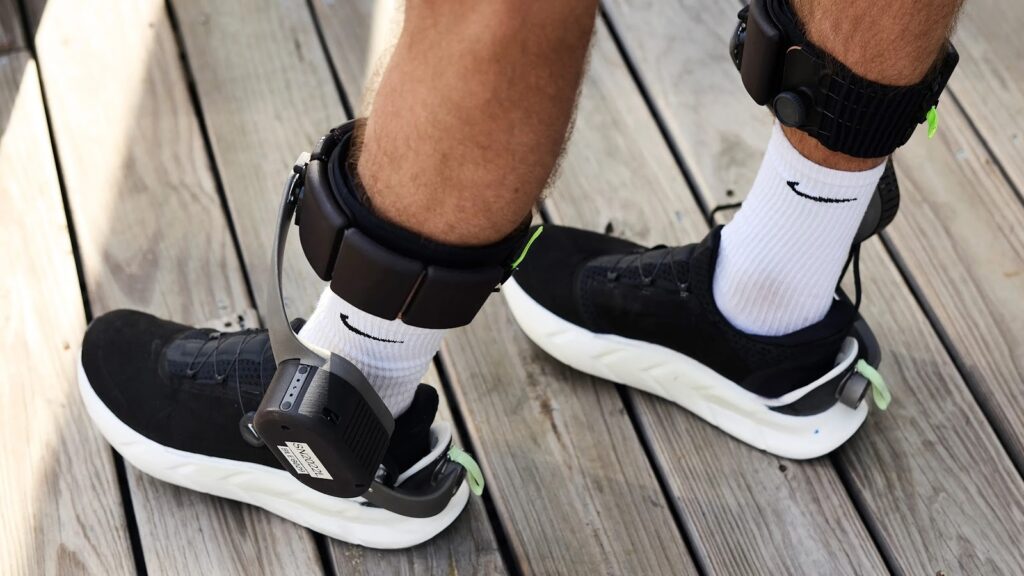
Project Amplify is being developed in partnership with Dephy, a robotics company known for powered exoskeleton technology. Together, the teams have created an early version of a shoe-and-motor system that lifts the heel with mechanical assistance and adds a gentle push to each stride. The design couples a carbon-plated running shoe with a compact motor and a calf-mounted battery. The system is still in testing, yet its purpose is already clear: to help everyday athletes move farther and with less effort, while preserving the natural feel of running or walking.

The early prototypes have been tried by hundreds of testers, from casual runners to researchers at Nike’s LeBron James Innovation Center. Reports suggest a consistent experience across these groups. Once active, the shoe begins lifting the heel in sync with the wearer’s stride. The mechanical movement feels subtle at first, but after enough steps the benefit becomes obvious. Hills, in particular, feel easier. Longer walks create less fatigue. Running seems to require slightly less work, which is exactly the goal. Nike is not positioning Project Amplify as a performance-enhancing device for competitive sport. Instead, the company sees it as a mobility tool for everyday life
A New Category of Footwear
For years, innovation in running shoes has focused on cushioning, materials, and energy return. Foams have become lighter and more responsive. Carbon plates have transformed how elite racers perform. Uppers have progressed to breathable, minimalist designs that hug the foot without adding weight. These changes, impressive as they are, still live within the limits of passive footwear. They help athletes do more with their own power, yet they never add force themselves.
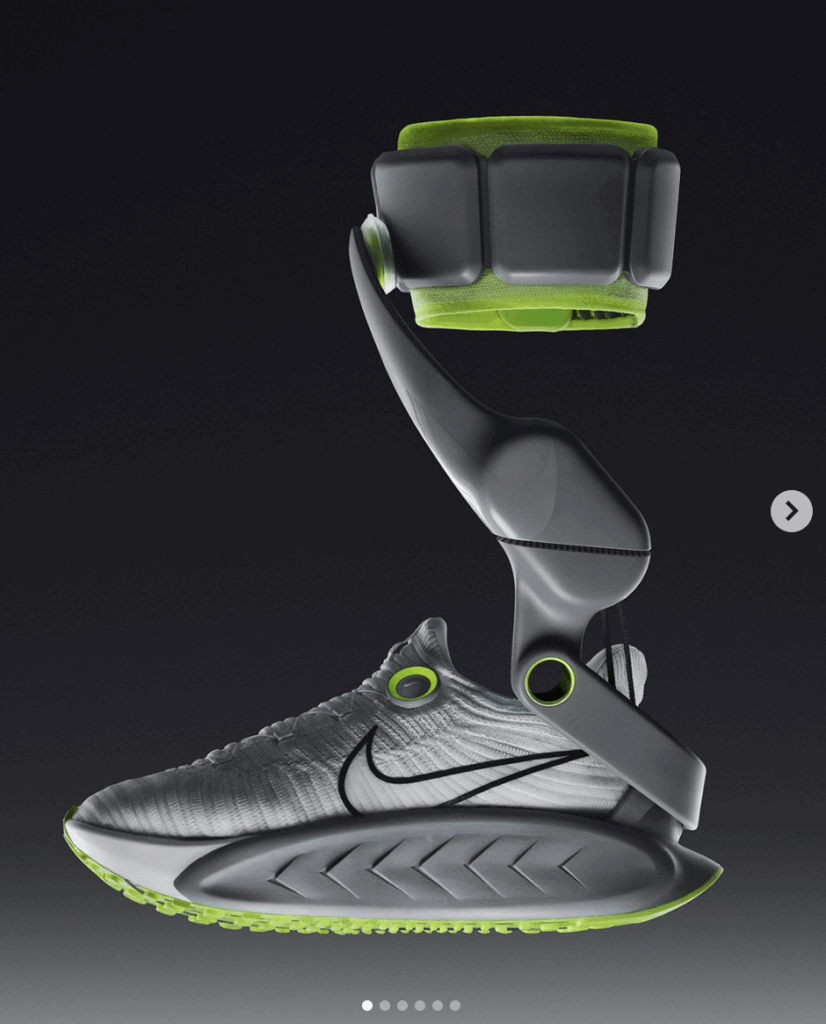
Project Amplify steps into a different category. The shoe becomes a partner in motion rather than an accessory. The motor applies a lifting force to the heel, which reduces strain on the calf muscles during push-off. The carbon plate then helps channel that motion into a smooth transition toward the next stride. Instead of passively cushioning impact, the system contributes to the cycle of motion.

Nike refers to the idea as “powered footwear,” a phrase that could become common in the coming decade. Early responses from the athletic community reflect a mixture of excitement and skepticism. The promise of easier movement appeals to many, especially recreational runners or people who walk long distances during their daily routines. Others question whether added hardware compromises the simplicity that makes running so accessible. The prototype is fairly lightweight for what it is, yet it cannot match the minimalism of a traditional running shoe.
Still, most testers agree that the assistance feels natural. The motion does not jerk or pull the foot in unexpected ways. Instead, the technology blends with the body’s own rhythm, which has been a central design requirement for Nike and Dephy. If the system ever felt intrusive, users would not adopt it. Comfort and seamless integration have been priorities from the outset.
How the Technology Works
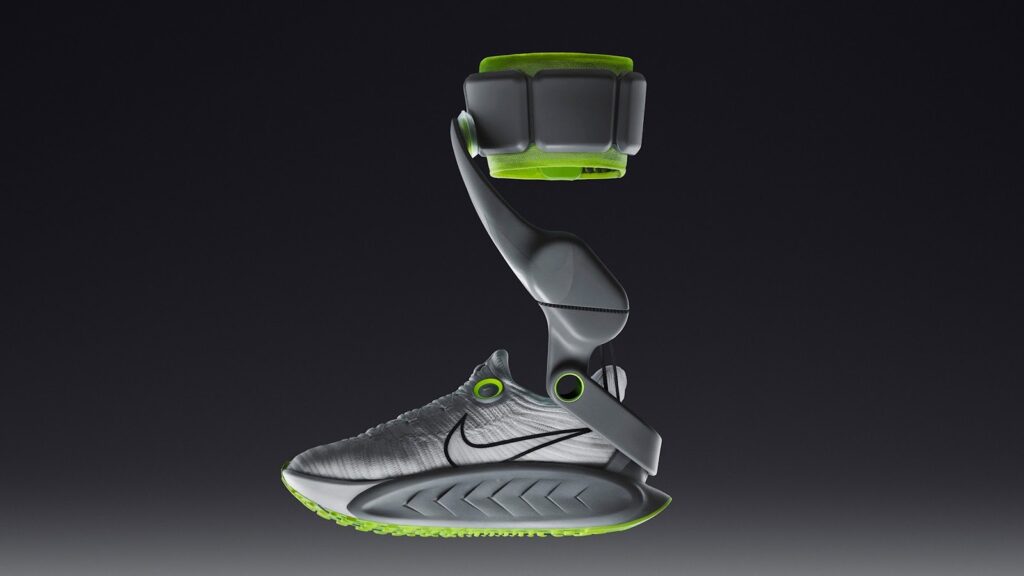
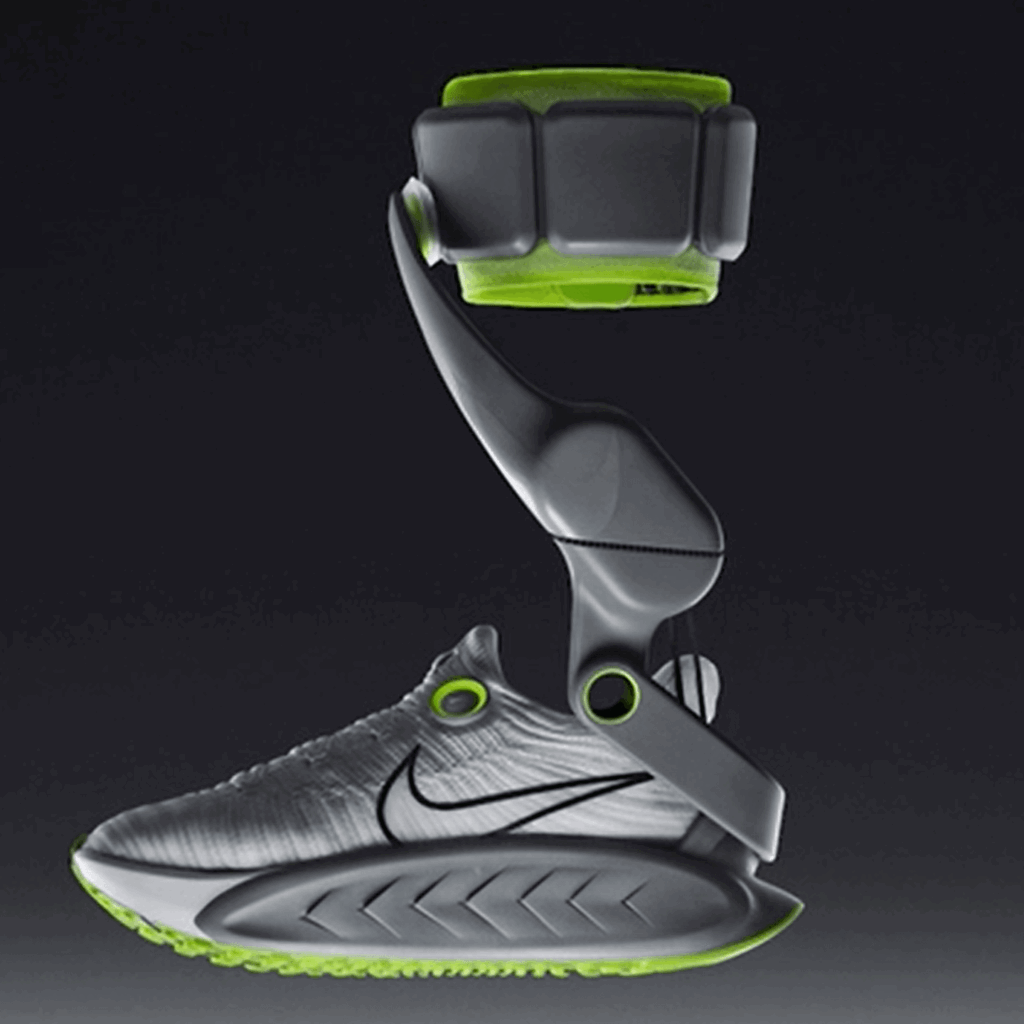
The Project Amplify system is made of four major components. The first is the shoe itself, which features a carbon fiber plate similar to the plates found in modern super shoes. The shoe can be worn alone, without the powered hardware, though doing so removes the system’s defining feature. The second component is the motor, which sits near the ankle and connects to the base of the shoe through a small mechanical arm. When the system activates, the motor pulls upward to help the heel lift.
The third component is the drive belt, which transfers power from the motor to the moving arm. The fourth is the battery, which straps around the calf in a cuff-like arrangement. The battery has been engineered to stay lightweight while providing enough energy for extended use. Although Nike has not published formal battery life specifications, testers have noted that the system can run for a substantial duration before requiring a charge.
Software is equally important. The algorithms track the timing of each step and synchronize the motor’s movement with the user’s natural gait. This allows the assistance to feel intuitive. Instead of forcing a pattern, the system adapts to the one already in place. Nike’s testing has focused on ensuring the motor remains unobtrusive, even when users change pace or take unexpected steps.
Early reviews suggest the shoe feels particularly effective during uphill motion. The system’s mechanical lift reduces the workload on the calves, which often become the first muscles to tire on inclines. The sensation has been compared to switching from a standard bicycle to an electric one. The rider still pedals, but the strain decreases, and momentum comes more easily. With Project Amplify, the runner continues to run, yet the effort softens.
Who Project Amplify Is Designed For
Nike has been clear about its target audience. The shoe is not meant for elite racers or competitive marathoners. Instead, the company is focusing on recreational athletes, casual runners, and everyday movers. This includes people who walk or jog at moderate paces, commuters who spend much of their day on foot, and individuals who want to remain active without pushing their joints or muscles to the limits.
The potential extends beyond sports. Some analysts have pointed out the possible utility for older adults, people recovering from injury, or individuals who struggle with mobility because of health conditions. Although Nike has not explicitly marketed Project Amplify as a medical or rehabilitative device, the technology could be adapted to support those needs in the future. The idea of powered mobility is still young, yet it has enormous potential if applied carefully.
Recreational runners may benefit from reduced fatigue on longer runs, while walkers may find it easier to extend their range. Even people who want to increase their daily step count might feel more inclined to stay active when movement becomes less demanding. Nike appears to be positioning Project Amplify as an extension of everyday life rather than a specialized tool for competition.
Testing and Development
Nike has invested significant resources in testing the Project Amplify system. According to company statements, more than four hundred athletes have participated in the trials so far. Collectively, they have logged over two million steps in controlled environments, particularly on the test track at the Nike Sport Research Lab. The goal has been to observe how the system performs under varying body types, running styles, and use cases.
Feedback has guided adjustments to the hardware. Early prototypes were heavier and more rigid, which reduced comfort. Later versions improved the alignment of the motor with the foot’s natural pivot points and refined the battery placement on the calf to reduce pressure and improve balance. Each iteration has brought the system closer to a form that could see widespread adoption.
Despite these advances, Nike acknowledges that Project Amplify is still in development. The company expects several more years of refinement before the system becomes suitable for mass production. A timeline around 2028 has been mentioned across several reports, though Nike has not confirmed a specific release date. The company prefers to keep development flexible rather than commit to a fixed schedule.
The Significance of Powered Footwear
The introduction of powered footwear could reshape the broader landscape of athletic gear. For the first time, a major brand is exploring how personal robotics can merge with daily movement. This shift mirrors trends in other industries, where technology is used to enhance human ability rather than replace it. Electric bicycles have transformed urban commuting. Exoskeletons have begun assisting workers in manufacturing and healthcare environments. Project Amplify brings these ideas into footwear.
The implications extend into the realm of sport philosophy as well. Running has long been valued for its simplicity. All you need is a pair of shoes and a stretch of road. Powered footwear complicates that purity. If a shoe adds mechanical force, does the runner’s effort still define the performance? Nike’s decision to avoid marketing the product for competitive running is likely intentional. The debates that arose around carbon plates in racing shoes still linger, and powered assistance would raise questions on a larger scale.
Yet the accessibility benefits are significant. Many people struggle with the impact forces associated with running or with the fatigue that comes from long-distance walking. Powered footwear could reduce those barriers and make movement more appealing. In an age when sedentary lifestyles are increasingly common, any technology that encourages physical activity has clear health advantages.
Concerns and Challenges
Despite its promise, Project Amplify faces several challenges. The most obvious is practicality. Traditional running shoes are light, flexible, and easy to maintain. Adding mechanical components makes the shoe more complex. Users will need to charge the battery, attach the motor, and monitor the system’s condition. For some, the convenience of a simple shoe may outweigh the benefits of assisted movement.
Weight is another issue. Although the prototypes are relatively light for a robotic system, they still feel heavier than a standard pair of running shoes. Nike has worked to reduce the overall burden by shifting the battery weight to the calf, which helps balance the load, yet the presence of hardware is still noticeable. Achieving a level of lightness that satisfies most runners will require further refinement.
Durability and weather resistance are questions that remain open. Running shoes endure repeated impacts, exposure to dirt and moisture, and a wide range of temperatures. Mechanical parts and electronics complicate this environment. Nike will need to ensure that the system can handle real-world conditions without frequent malfunctions or safety issues.
Cost is another consideration. High-end running shoes already reach premium price points. A powered footwear system with motors, batteries, and advanced sensors will likely cost significantly more. Widespread adoption will depend on whether consumers see enough value to justify the investment.
Finally, there are ethical questions. If powered footwear becomes popular, who will have access to it? Could the technology deepen disparities in mobility or athletic performance? These concerns are not unique to Nike but are inherent to any assistive technology that enters the mainstream.
A Glimpse Into What Comes Next
Nike has also introduced other innovations alongside Project Amplify, which suggest a broader strategy focused on integrating technology into the body’s natural functions. One of these is Aero-FIT, a new cooling apparel system that channels more airflow through repurposed material. Another is Therma-FIT Air Milano, a fabric that adjusts insulation levels in real time to help users maintain comfort across changing temperatures. The Nike Mind collection, designed to enhance mental focus and sensory awareness, further illustrates the company’s interest in holistic performance.

Together, these developments paint a picture of an ecosystem in which footwear, apparel, and cognitive experience support one another. Project Amplify fits neatly into this framework as the physical augmentation component. If the technology matures, it could eventually integrate with data from wearable devices to adjust assistance levels based on heart rate, fatigue, or terrain.
The long-term vision hints at a future where the line between the athlete and the equipment becomes increasingly fluid. The shoe does not simply protect the foot; it collaborates with the body. As sensors, motors, and batteries become smaller and more efficient, powered footwear could shrink to a form that looks similar to ordinary running shoes, yet still offers support beyond what human muscles alone can provide.
Conclusion: A Turning Point for Movement
Project Amplify represents one of the most ambitious concepts Nike has ever explored. By merging robotics with running footwear, the company has stepped into a frontier that very few brands have attempted. The technology is still young, and many questions remain about practicality, cost, and everyday usability. But the potential impact is significant.
If Nike succeeds in refining the system into a comfortable, durable, and user-friendly product, powered footwear could redefine how millions of people experience movement. The benefits could extend to casual runners, commuters, older adults, and anyone seeking to make physical activity more accessible. The technology might also inspire new discussions about the future of athletic competition and the role of enhancement in sport.
For now, Project Amplify is a glimpse into what may come. It shows that footwear can do more than cushion and support. It can actively contribute to motion. The next several years will determine how far this idea can go, yet the early signs suggest that Nike is committed to bringing powered movement into everyday life.
If that happens, the act of lacing up could take on an entirely new meaning. Running and walking may feel different, not because our bodies have changed, but because our shoes have learned how to help.